Aria Hotel Prague
When you book Aria Hotel Prague in the Czech Republic through our Tablet Plus partnership, your stay includes a one-category room upgrade and late check-out when available. No premium credit card or membership needed: request a quote and our advisor books it at the same rate as booking direct.
Exclusive Booking Perks
These perks are included with your stay at the same rate as booking direct with the hotel.
- Upgrade to next room category, based upon availability at check-in
- Guaranteed 2pm late check-out
- Guaranteed 1pm early check-in
- Complimentary three-course dinner, once per stay (max 2 guests)
Guest feedback
9.8/10 from 322 guest reviews
By category
Guests liked
- Clean and spacious rooms
- Excellent service and helpful staff
- Delicious breakfast options
Points to consider
- Some aspects of cleanliness could improve based on one review
Location
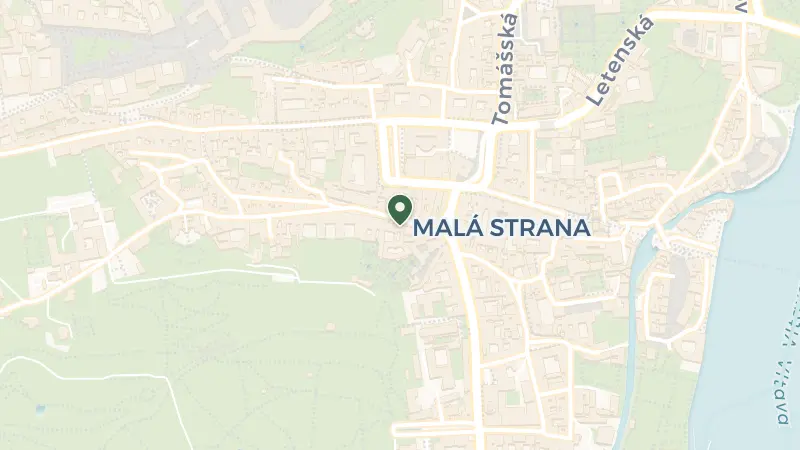
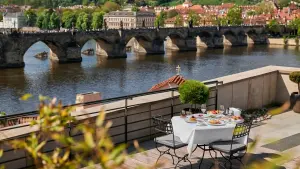
The property sits in Malá Strana, the baroque quarter that sprawls beneath Prague Castle on the left bank of the Vltava. Stone bridges arch over the river, and narrow lanes climb past shuttered palaces and walled gardens that once belonged to Habsburg nobility. The district has carried its German and Italian merchant legacy into the present: wine bars occupy Gothic cellars, and hidden courtyards still feel like stage sets from another century. The air smells of roasting chestnuts in autumn, and church bells ring out across terracotta rooftops that glow amber in the late afternoon light.
Charles Bridge is a five-minute walk east, its pedestrian span crowded with buskers and sketch artists by midday. The Historic Centre of Prague, a UNESCO World Heritage Site inscribed in 1992, encompasses this neighbourhood and the adjacent Old Town, a layered architectural document spanning seven centuries. The quarter's cobbled lanes run uphill toward Hradčany, where the castle complex dominates the skyline.
Václav Havel Airport lies ten kilometres northwest; airport express buses reach the main rail station in under half an hour, and taxis follow the river into the city centre. The neighbourhood is best explored on foot.
Coda occupies the hotel's ground floor hall, where herringbone floors and chandeliers frame contemporary Czech cooking that leans into local sourcing and seasonal discipline. Casa De Carli, a one-star Italian restaurant run by Matteo De Carli and his wife Lenka Hermanová, is less than a kilometre and a half northeast in the Old Town; the open kitchen and walk-in wine fridge define the modern, unfussy dining room. Book a table at Restaurant Papilio, an elegant two-star venue set beneath a groin-vaulted ceiling seventeen kilometres out, where former stables now house creative, modern cuisine. Havelské tržiště, a thirteenth-century market square just over a kilometre east, hosts daily stalls selling produce, honey, and trdelník (cinnamon-sugar pastry spirals).
The Church of St Barbara in Kutná Hora, a Gothic masterpiece sixty-four kilometres east, crowns a silver-mining town that flourished in the fourteenth century. Closer in, Vltava Pod Karlovým mostem offers scuba diving under Charles Bridge for those drawn to submerged arches and cold-water immersion. Náplavka, the riverfront promenade two kilometres south, hosts weekend farmers' markets where vendors sell unpasteurised cheese and Moravian wine.
Winter cloaks the city in silence; snow dusts the castle ramparts, and frozen mornings hover just below zero. The streets empty of tourists, and woodsmoke curls from chimneys across the slate rooftops. By late March, temperatures climb toward ten degrees, and café tables reappear along the cobbled lanes.
Summer arrives in June with long, soft evenings that stretch past ten o'clock. The heat peaks in July near twenty-four degrees, and the river reflects gold and rose at sunset. Rain showers are frequent but brief, leaving the pavements slick and the air sweet.
September through October delivers the best light: crisp mornings in the low teens, golden afternoons, and the first russet leaves falling into the Vltava. The tourist crowds thin, and the city regains its native rhythm. November turns grey and damp, the prelude to December's frost.
Frequently Asked Questions

Quotes are personally reviewed by Natasha Hardy, founder of The Uncommon Traveller
5.0 rating · 8 Google reviewsThere is no fee or markup. The hotel pays our commission.
Request a Quote 8 Bib Gourmand