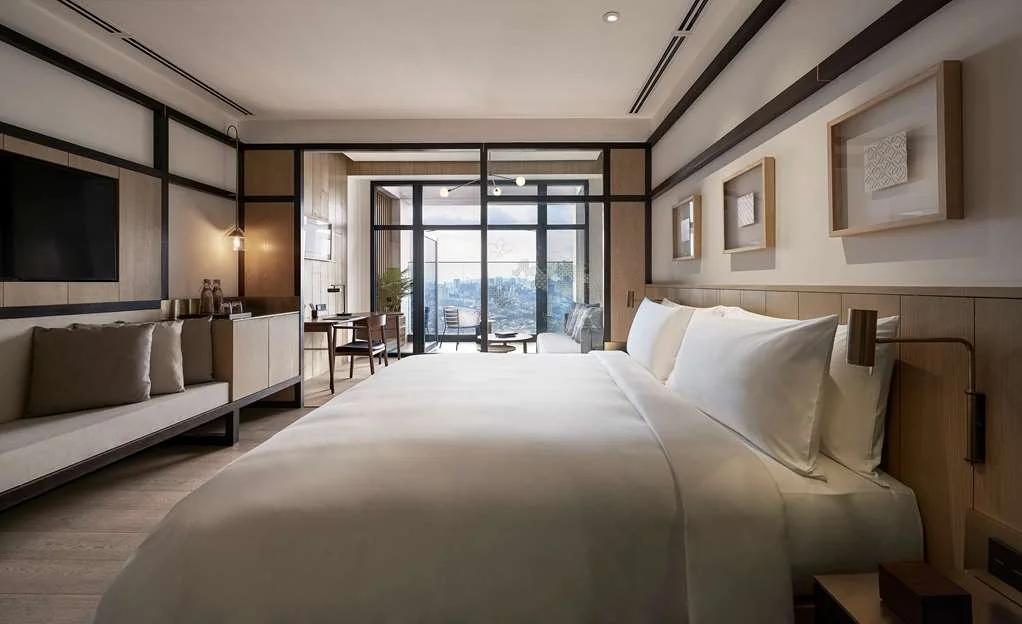
Alila Bangsar, Kuala Lumpur
When you book Alila Bangsar, Kuala Lumpur in Malaysia, through our Hyatt Privé partnership, your stay includes daily full breakfast for up to two guests and a property credit. You also receive a priority room upgrade when available. You continue earning World of Hyatt points and elite night credits. No premium credit card or membership needed: request a quote and our advisor books it at the same rate as booking direct.
Exclusive Booking Perks
These perks are included with your stay at the same rate as booking direct with the hotel.
- Welcome amenity provided to guests upon arrival.
- Daily complimentary full breakfast at a hotel restaurant for up to two guests.
- Property credit (value varies by property).
- Priority for room upgrade (response within 24 hours of booking, subject to forecasted occupancy).
- Early check-in/late check-out/connecting rooms (response within 24 hours of request, subject to forecasted occupancy).
Location
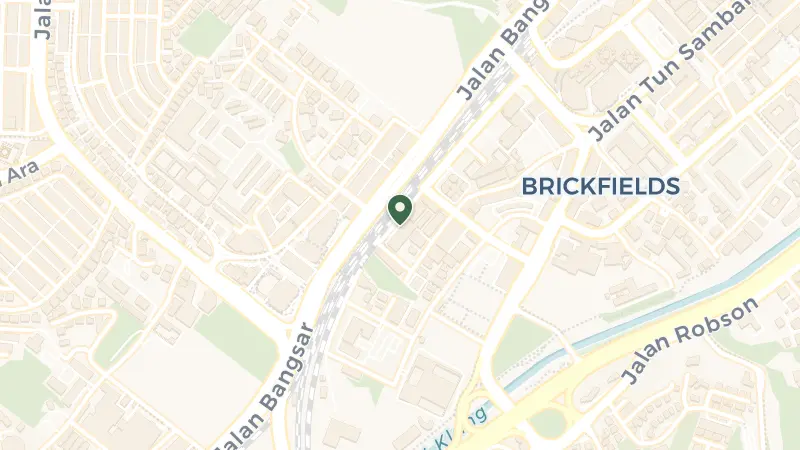
Alila's design-led approach and commitment to thoughtful, sustainable hospitality find a compelling expression in Kuala Lumpur, a city where tin-mining roots and federal ambitions have blurred into a skyline that climbs higher each decade. The property sits in Brickfields, the district nicknamed Little India for its dense constellation of sari shops, spice merchants, and Tamil temples. Walk these streets and the air smells of incense and curry leaves; the morning rush hour at nearby KL Sentral, the city's central transport hub, hums with commuters bound for towers in the Golden Triangle and beyond.
Kuala Lumpur took shape in 1857 as a muddy settlement serving tin prospectors along the Gombak River. Figures like Yap Ah Loy and Frank Swettenham steered its transformation into a colonial administrative centre, later the capital of Selangor, and eventually the heart of independent Malaysia. Today it is the nation's political, financial, and cultural engine, though some government functions have shifted to Putrajaya.
Brickfields offers a grounded counterpoint to the high-rise districts to the east. Heritage shophouses line narrow lanes; vendors sell fresh roti canai and teh tarik from open-fronted stalls. Sultan Abdul Aziz Shah International Airport lies 15 kilometres away, while Kuala Lumpur International Airport is 43 kilometres distant, both accessible by highway or rail via KL Sentral.
The hotel's rooftop houses Entier, a Michelin Selected French contemporary restaurant where a Japanese chef trained in European kitchens applies subtle cross-cultural touches to deftly composed plates. The minimalist dining room frames sweeping views of the city's towers and the forested hills beyond. Four kilometres east, Molina occupies another high-rise perch, its one Michelin star earned through chef Sidney Schutte's synthesis of French technique, Nordic restraint, and Asian flourishes, with seafood and vegetables taking centre stage. Book a table at Dewakan, 5.2 kilometres away, for a two-starred exploration of Malaysian terroir; chef Darren Teoh sources every ingredient locally, even commissioning local artisans to craft the tableware.
Brickfields' Tamil temples and spice markets are within walking distance of the property. The Pasar Malam night markets at Jalan 3/109F (three kilometres), Taman Desa (3.4 kilometres), and Lorong Tuanku Abdul Rahman (3.5 kilometres) offer hawker classics like char kway teow and satay amid the clamour of bargaining and sizzling woks. Air Terjun Bukit Nanas, a forested waterfall nearly four kilometres north, provides a rare patch of greenery inside the city limits, while Kiara Waterfall, 5.3 kilometres away, draws weekend hikers seeking cooler air.
Kuala Lumpur straddles the equator, so the thermometer barely shifts year-round. Daytime highs hover between 29°C and 31°C, and the humidity wraps around you like a second skin the moment you step outside. Afternoons often erupt into thunderstorms that hammer the pavements and clear as quickly as they arrive, leaving the air thick and steaming.
October and November bring the heaviest downpours, drenching the city and turning streets into temporary rivers. The skies are moody, clouds stacking over the highlands to the east. December through February offers slightly drier interludes, though showers still punctuate most weeks.
May through July is the least sodden stretch, with clearer mornings and the occasional unbroken afternoon. The city's rhythm slows fractionally during Ramadan (dates shift annually), when evening markets bustle and restaurants fill after sunset. Heat and rain are constants; the question is only how much water falls from the sky on any given day.
Frequently Asked Questions

Quotes are personally reviewed by Natasha Hardy, founder of The Uncommon Traveller
5.0 rating · 8 Google reviewsThere is no fee or markup. The hotel pays our commission.
Request a Quote 24 Bib Gourmand