Bab Al Shams
When you book Bab Al Shams in Dubai, UAE, through our Fora Reserve partnership, your stay includes a 100 USD resort credit once per stay. You also receive a room upgrade, early check-in and late check-out when available. No premium credit card or membership needed: request a quote and our advisor books it at the same rate as booking direct.
Exclusive Booking Perks
These perks are included with your stay at the same rate as booking direct with the hotel.
- Complimentary Breakfast for 2 Daily in Alma Restaurant (not applicable for Room Service)
- 100 USD resort credit, once per stay
- Room upgrade upon arrival (subject to availability)
- Early Check In and Late Check Out subject to availability)
Guest feedback
9.4/10 from 2,353 guest reviews
By category
Guests liked
- Beautiful desert location
- Attentive staff
- Luxurious rooms
Points to consider
- Cleanliness issues with birds
- Desert buffet dinner disappointment
- Slow check in/check out procedures
Location
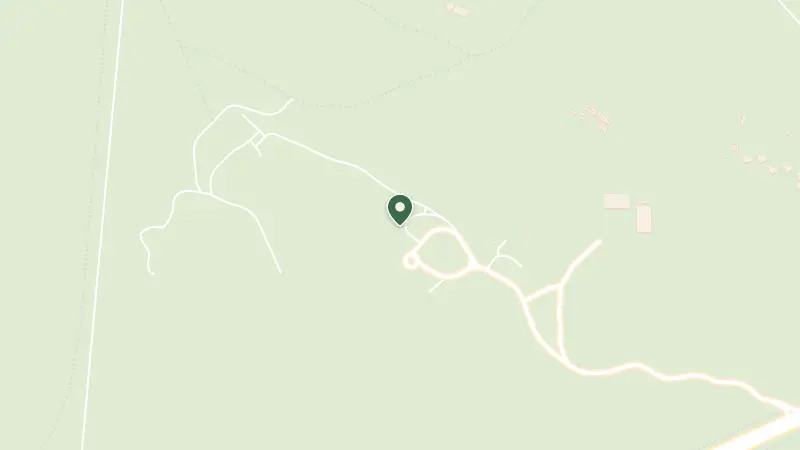
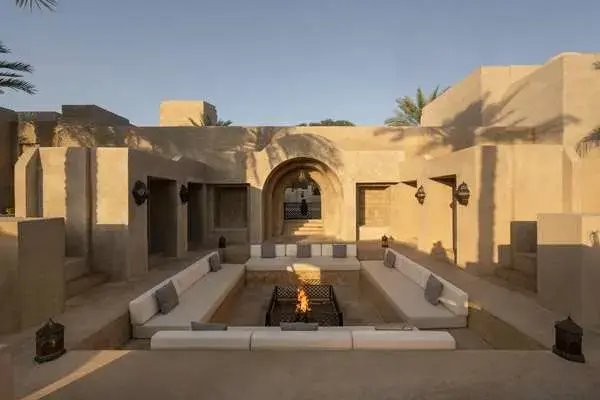
Bab Al Shams stands alone in the sweep of the Dubai Desert Conservation Reserve, a landscape of russet sand and acacia scrub that feels impossibly remote despite lying within reach of the city's glass towers. This is desert hospitality rooted in traditional Emirati architecture, a rare pocket of stillness where wind shapes dunes and the only soundtrack is the rustle of palms and the distant call of desert birds. The property takes its design cues from a historic fort, with earth-toned walls and wind towers that catch the breeze, offering a window into the region's Bedouin heritage before the oil age transformed the coast.
Beyond the gates, the silence of the conservation reserve stretches toward Al Marmoom, thirteen kilometres of protected wilderness where gazelles and oryx roam. This is the Dubai that predates the marina and the malls, a terrain of geological patience and Palaeolithic memory (the Faya Palaeolandscape, an hour northeast, holds evidence of human presence reaching back 210,000 years).
Al Maktoum International Airport lies eleven kilometres west, a short transfer that trades runway tarmac for the soft crunch of desert gravel. Dubai International, the region's main hub, sits fifty kilometres to the northeast, roughly an hour by road depending on traffic through the sprawl.
The property's dining draws on the Arabian pantry: expect dishes like harees (slow-cooked wheat and lamb) and machboos (spiced rice with saffron and dried lime) served in settings that range from torchlit courtyards to air-conditioned majlis spaces. For haute cuisine, venture toward the coast. Trèsind Studio, a three-star marvel thirty-four kilometres away, reimagines India's regional cuisines with surgical precision and theatrical flair, each course a study in contrast and restraint. Row on 45, perched on the forty-fifth floor of The Grosvenor House thirty-one kilometres northeast, showcases Jason Atherton's refined creative plates with views that sweep from the Palm to the Gulf. Book a table at FZN by Björn Frantzén, thirty-seven kilometres distant, where the doorbell ushers you into an intimate, apartment-like space for Scandinavian technique meets Middle Eastern luxury.
The desert itself is the headline. Falconry demonstrations channel centuries of Bedouin tradition, and morning camel treks trace the ridgelines at first light when the sand glows copper and the air is still cool. For contrast, Jumeirah Golf Estates lies twenty-three kilometres south, its manicured fairways a stark counterpoint to the scrubland.
Winter, from November through March, brings the kindest weather: daytime highs in the mid-twenties to low thirties, evenings cool enough for outdoor fires and open-air dining under a canopy of stars. The light is golden, the sky a hard, brilliant blue.
Summer, from June to September, is unrelenting. Temperatures soar past forty degrees, the air thick and shimmering, turning the desert into a test of endurance. Mornings and late evenings become the only hospitable hours, and air-conditioned retreats are essential.
Spring and autumn offer brief windows of warmth without the punishing heat, ideal for those who want the desert experience without the extremes. April and May see temperatures climbing but remain bearable; October and November ease back into comfort.
Frequently Asked Questions

Quotes are personally reviewed by Natasha Hardy, founder of The Uncommon Traveller
5.0 rating · 8 Google reviewsThere is no fee or markup. The hotel pays our commission.
Request a Quote 17 Bib Gourmand