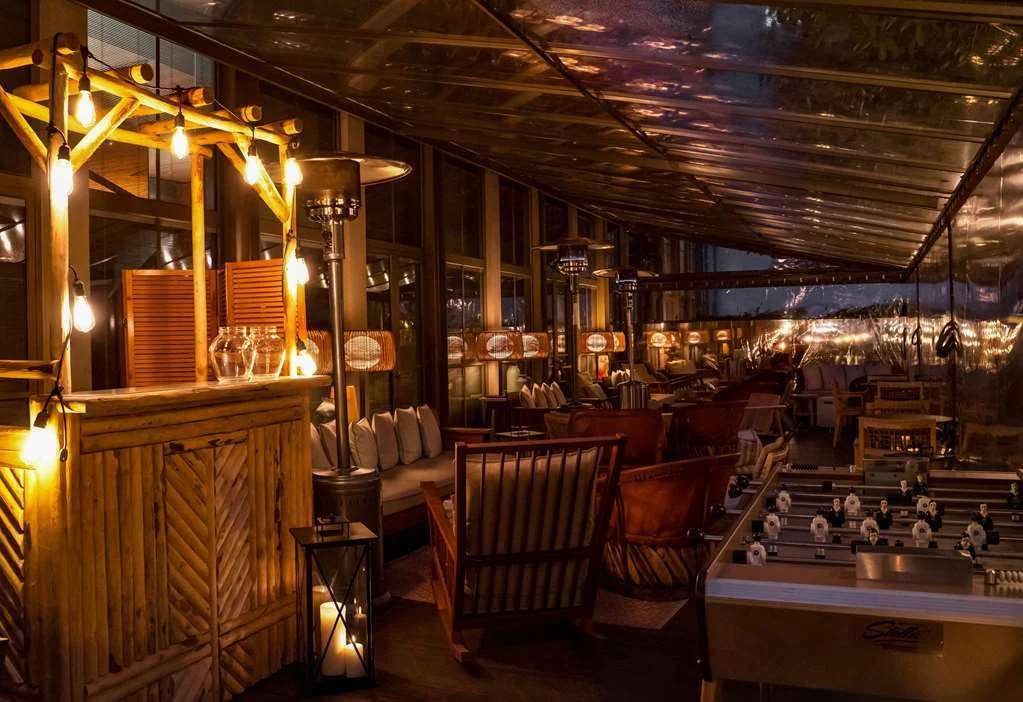
Brach Paris - Evok Collection
When you book Brach Paris - Evok Collection in France through our Evok Collector's Club partnership, your stay includes daily breakfast for two and a welcome amenity. You also receive early check-in and late check-out when available. No premium credit card or membership needed: request a quote and our advisor books it at the same rate as booking direct.
Exclusive Booking Perks
These perks are included with your stay at the same rate as booking direct with the hotel.
- Complimentary daily breakfast for 2
- 100 EUR hotel credit (excludes alcohol)
- Early check-in / late check-out (subject to availability)
- VIP welcome amenity
- Evok welcome gift
- Priority concierge service
- Complimentary one-way airport transfer (minimum 3-night stay in suites)
- Guaranteed upgrade at time of booking (room-to-room or suite-to-suite)
Guest feedback
9.2/10 from 54 guest reviews
By category
Guests liked
- Excellent service
- Large rooms
- Unique location
Points to consider
- Service needs to improve
Location
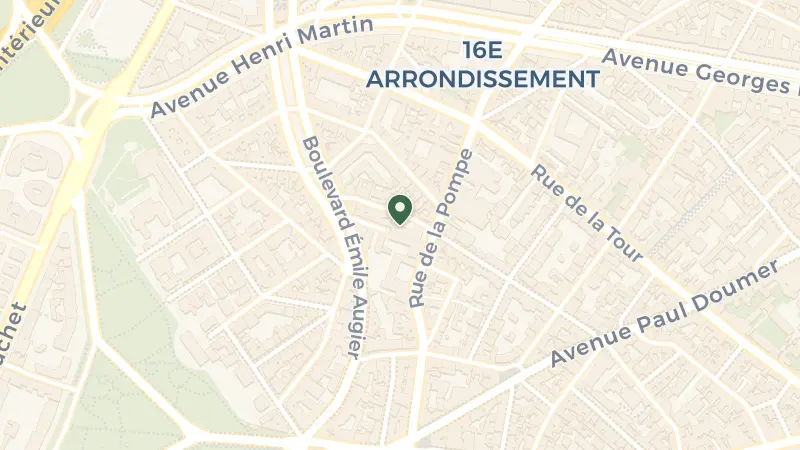
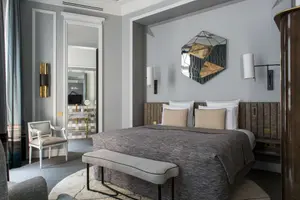
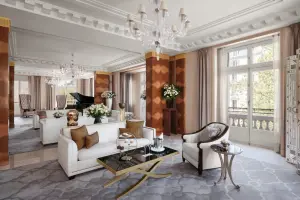
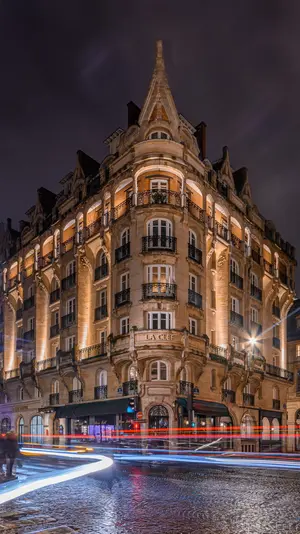
Brach Paris occupies a converted postal sorting office in the 16th arrondissement, where Philippe Starck's design vision transforms industrial heritage into a contemporary retreat. The property sits at the intersection of residential Paris and the green expanse of the Bois de Boulogne, a neighbourhood where Art Nouveau buildings line quiet streets and the tempo shifts from the tourist-heavy centre.
The 16th is where Parisians come to breathe. Trocadéro's terraces offer postcard views of the Eiffel Tower across the Seine, while the Musée Marmottan Monet holds the world's largest collection of Monet's work, including his late water lilies, in a former hunting lodge two kilometres south. The district has long been a residential stronghold of old money and diplomatic missions, its wide boulevards a legacy of Haussmann's 19th-century reimagining.
Paris-Orly Airport lies sixteen kilometres south, Charles de Gaulle twenty-six kilometres northeast. The Métro connects both efficiently, though the Art Nouveau station entrances nearest the hotel, with their sinuous ironwork and amber globe lamps, are reason enough to choose the underground over a taxi.
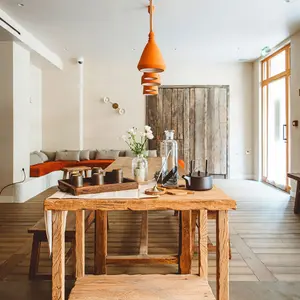
Brach's on-site restaurant showcases Mediterranean cooking under chef Adam Benthala, whose precision elevates the Riviera-inspired menu in Starck's redesigned dining room. For haute cuisine within striking distance, Le Pré Catelan holds three Michelin stars in its Napoleon III lodge deep in the Bois de Boulogne, less than two kilometres away, where Frédéric Anton has commanded the kitchen for nearly three decades. Le Cinq, Christian Le Squer's three-starred temple to modern French cooking, occupies one of the city's grandest palaces two kilometres northeast, its dining room all lofty columns and soft garden light.
The Banks of the Seine UNESCO site begins three kilometres east, tracing Paris's architectural evolution from the Louvre to the Place de la Concorde. Book a morning at the Musée Marmottan to see Monet's Impression, Sunrise before the tour groups arrive. The Bois de Boulogne unfolds immediately west, its lakes and bridle paths offering rare quiet in a capital that rarely stops moving. Don't miss the Jardin d'Acclimatation, where Belle Époque amusements meet contemporary installations.
Winter settles over Paris with pewter skies and temperatures hovering just above freezing. The city's light turns silvery, café windows fog with steam, and museum galleries feel like refuge. Snow is rare, but frost crisps the formal gardens.
Spring arrives tentatively in March, gathering confidence through April and May. Chestnuts leaf out along the boulevards, café terraces reopen, and the Seine reflects lengthening daylight. This is Paris at its most forgiving, mild days alternating with sudden showers that send everyone under awnings.
Summer brings real heat by July and August, when the city empties for August holidays and those who remain claim the plages along the Seine. September extends the warmth without the crowds, making it ideal for unhurried walks and late-afternoon apéros. Autumn gold settles over the Bois de Boulogne by October, though November's chill and short days announce winter's return.
Frequently Asked Questions

Quotes are personally reviewed by Natasha Hardy, founder of The Uncommon Traveller
5.0 rating · 8 Google reviewsThere is no fee or markup. The hotel pays our commission.
Request a Quote 47 Bib Gourmand