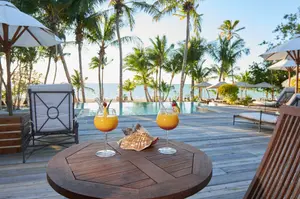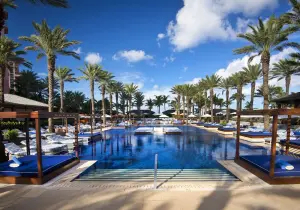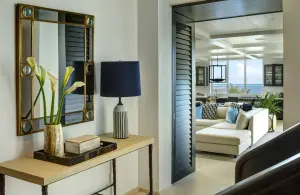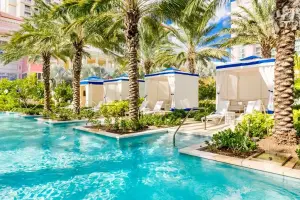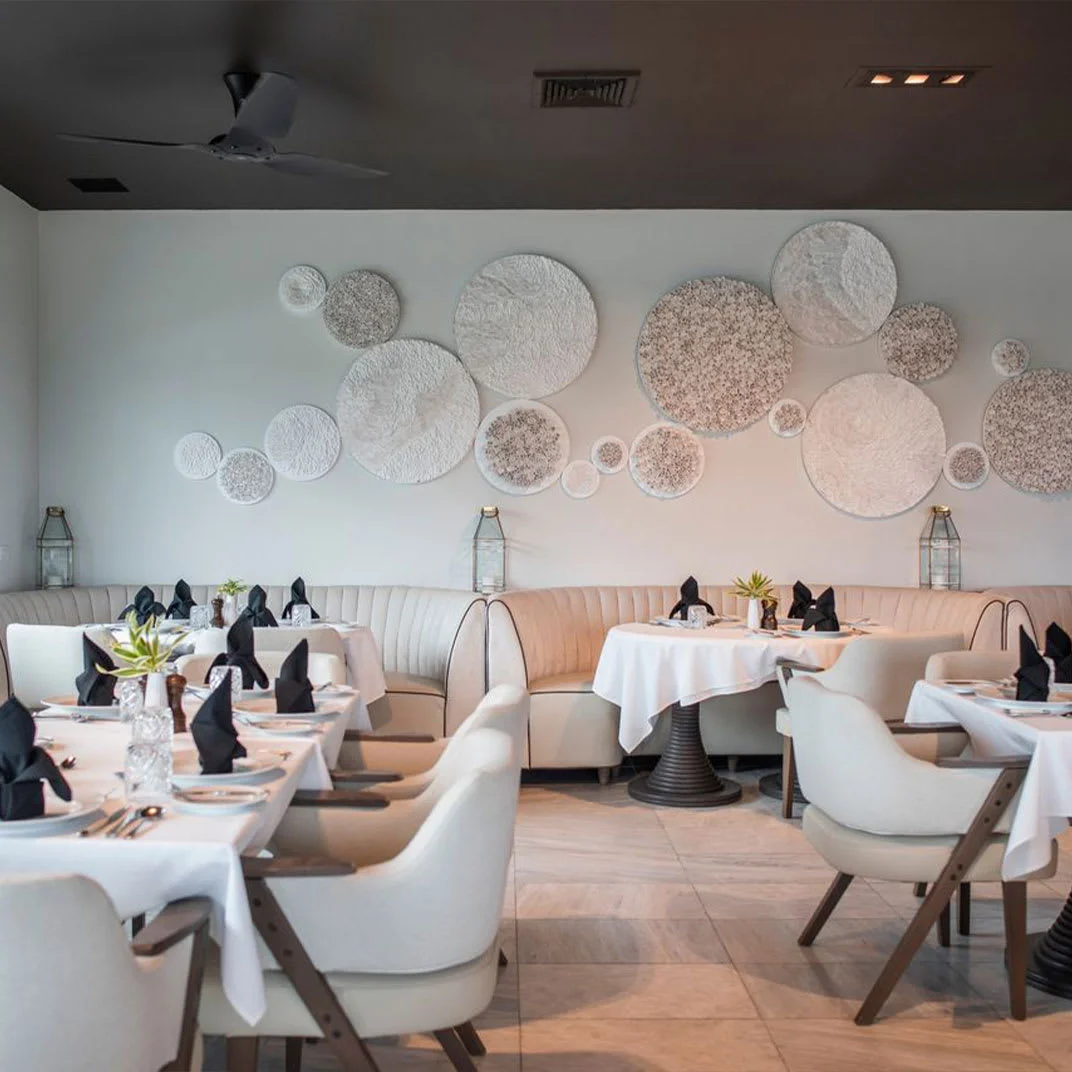
Caerula Mar Club
South Andros Bahamas Caribbean & Central America
When you book Caerula Mar Club in South Andros, Bahamas, through our Tablet Plus partnership, your stay includes a 100 USD hotel credit per stay and a welcome treat. You also receive a one-category room upgrade when available. No premium credit card or membership needed: request a quote and our advisor books it at the same rate as booking direct.
Exclusive Booking Perks
These perks are included with your stay at the same rate as booking direct with the hotel.
- Upgrade to next room category, based upon availability at check-in
- Complimentary welcome drink per guest, per stay
- Welcome treat in room on arrival
- 100 USD hotel credit per room, per stay (valid towards incidentals)
Location
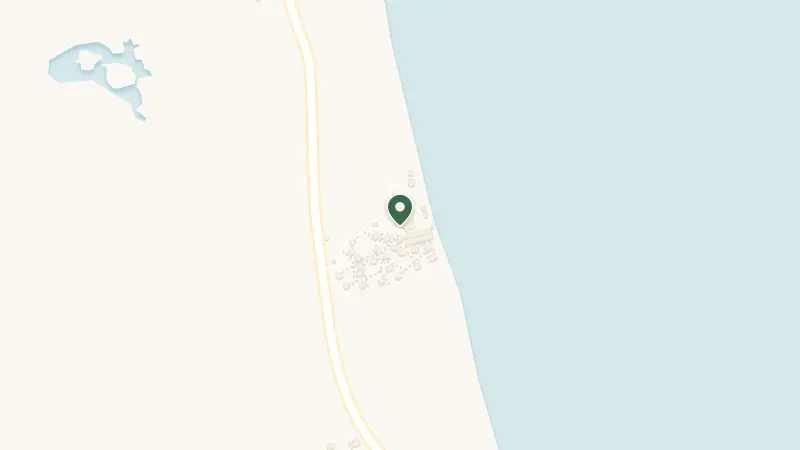
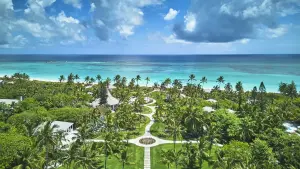
South Andros unfurls in a slow, deliberate rhythm far removed from the cruise-port carnival of Nassau. The Bluff sits on the western shore near Kemps Bay, where fishing settlements scatter along a coastline of mangrove creeks and bone-white flats that stretch toward the Tongue of the Ocean. This is the largest and least developed island in the Bahamian chain, a place where the hum of generator and the slap of waves against hull punctuate the quiet. The island's interior holds blue holes and pine barrens; its margins host bonefish in such density that fly-fishing lodges have made Andros legend among anglers.
Arrival feels purposeful. Congo Town Airport sits three kilometres away, a small airstrip serving inter-island hops from Nassau's Lynden Pindling International, 95 kilometres northwest across open water.
The settlement itself moves at island time: general stores, coral-stone churches, the occasional bar where Kalik flows cold and conversation drifts from weather to lobster season. Walking here means noticing details: the colour of shutters, the smell of salt and diesel, the sound of gospel spilling from a Sunday service.
The property sits steps from tidal flats and reef, positioning guests at the confluence of Andros's twin draws: world-class bonefishing and the third-longest barrier reef in the Western Hemisphere. Guides pole skiffs through inches of crystalline water at dawn, hunting the silver ghosts that cruise these shallows. Divers descend along the reef wall where coral gardens give way to the abyss of the Tongue of the Ocean, a trench plunging thousands of feet. Snorkellers find their rewards in shallower water, drifting over elkhorn and brain coral thick with parrotfish and sergeant majors. Book a guide for the blue holes that pock the island's interior, collapsed caverns filled with cobalt water and eerie silence.
West Side National Park, 46 kilometres north, protects mangrove estuaries and hardwood coppice where land crabs rustle through leaf litter and migratory warblers pause each spring. The island's western shore yields quiet beaches accessible only by boat, crescents of sand where footprints vanish with the tide. This is not a destination for restaurant hopping or cultural itineraries; it is a place to reset entirely, to match breath to wave.
Winter stretches from December through March with daytime temperatures in the mid-twenties, evenings cool enough for long sleeves on the veranda. The light turns crystalline, the water clarity peaks, and northeast trades keep mosquitoes at bay. Bone-fishing thrives in this season when shallow flats warm under cloudless skies.
Summer arrives humid and still, the air thick from June onward, temperatures climbing past thirty degrees. Afternoon thunderheads build over the interior, releasing brief torrents before dissipating. September sees the heaviest rainfall and peak hurricane risk; October lingers warm and unsettled.
May and early June offer a sweet spot: hot enough for extended snorkelling, wet enough to green the scrubland, yet ahead of the true summer deluge. The shoulder months reward visitors willing to gamble on weather with emptier flats and reefs entirely to themselves.
Frequently Asked Questions

Quotes are personally reviewed by Natasha Hardy, founder of The Uncommon Traveller
5.0 rating · 8 Google reviewsThere is no fee or markup. The hotel pays our commission.
Request a Quote