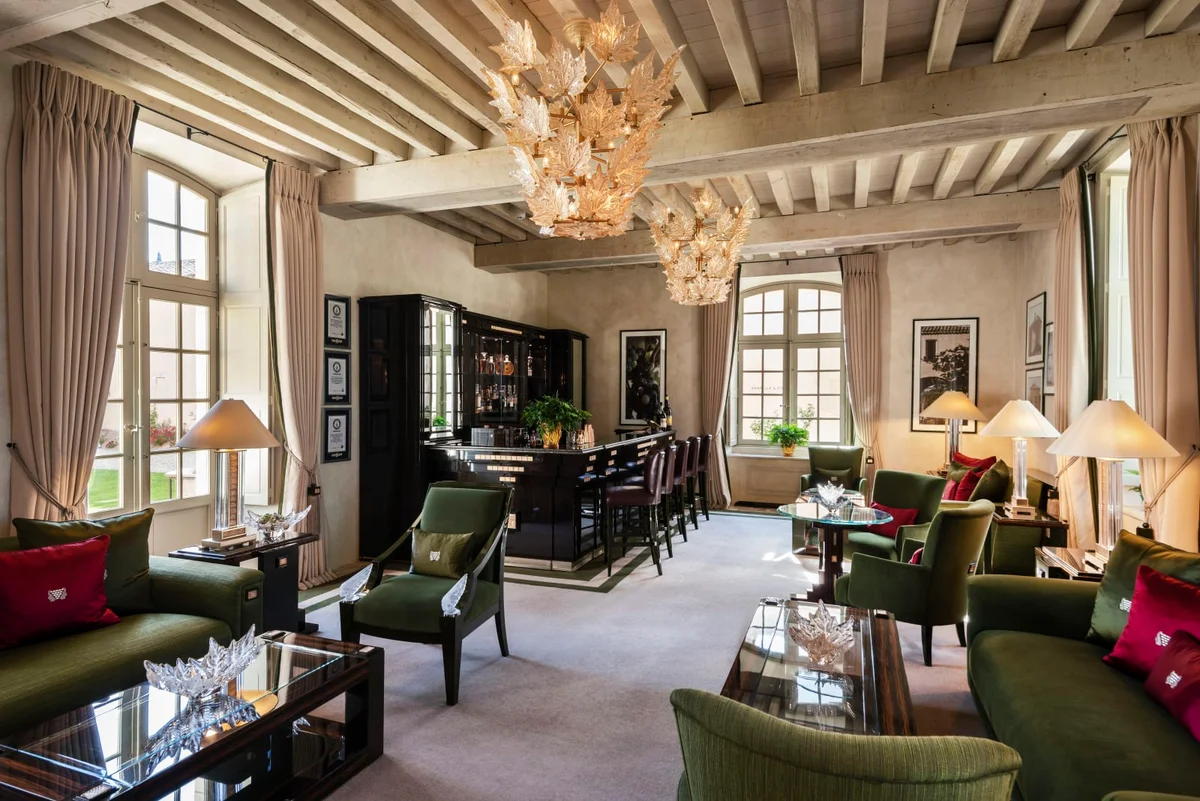
Château Lafaurie-Peyraguey Hôtel & Restaurant LALIQUE
When you book Château Lafaurie-Peyraguey Hôtel & Restaurant LALIQUE in Nouvelle-Aquitaine, France, through our Tablet Plus partnership, your stay includes a welcome gift. You also receive a one-category room upgrade when available. No premium credit card or membership needed: request a quote and our advisor books it at the same rate as booking direct.
Exclusive Booking Perks
These perks are included with your stay at the same rate as booking direct with the hotel.
- Upgrade to next room category, based upon availability at check-in
- 90 EUR hotel credit per room, per stay (2 night minimum, valid towards incidentals)
- Welcome chocolates in room on arrival
- Complimentary welcome gift in room on arrival
Guest feedback
9.6/10 from 48 guest reviews
By category
Guests liked
- Great property as always
Location
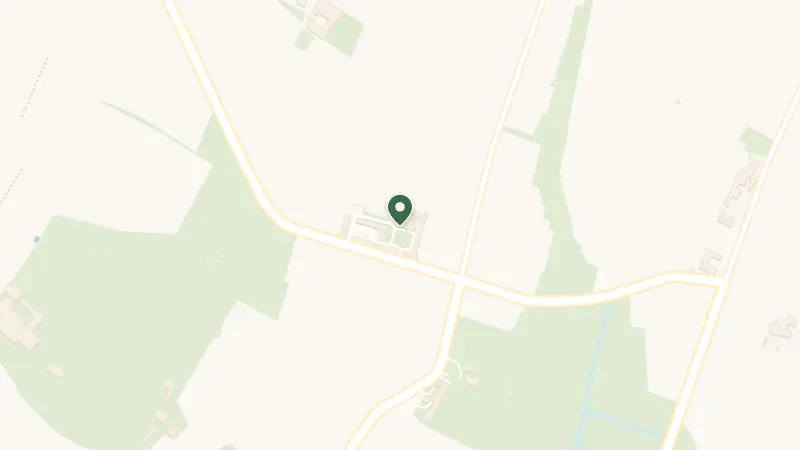
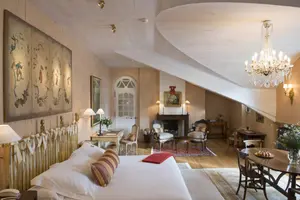
Lalique crystal graces the chandelier; Château Lafaurie-Peyraguey's first-growth Sauternes ages in the cellars below. This is the Sauternes wine appellation at its most refined, where a Bordeaux grand cru classé estate has been reimagined as a wine hotel by the French crystal house. The property sits within its own vineyards in Bommes, a quiet commune where the morning air smells of grapes and damp earth, and the rhythm of life follows the harvest calendar.
The Graves region unfolds in every direction: orderly rows of vines, pale stone châteaux, narrow roads threading between appellations. Sauternes itself, the village that gave the golden dessert wine its name, lies just down the lane. This is serious wine country, less showy than the Médoc, more intimate than Saint-Émilion. The landscape is gently rolling, the light soft and diffuse even in summer.
Bordeaux–Mérignac Airport sits 43 kilometres north. The drive south into the Graves takes you through suburban sprawl, then abruptly into vineyard territory. Bordeaux itself, a UNESCO-listed port city of neoclassical arcades and riverside quays, is close enough for a day trip but feels a world away from the rural calm here.
Book a table at Lalique, the property's two-Michelin-starred restaurant, where Nicolas Masse (not to be confused with the chef at La Grand'Vigne) interprets modern cuisine under a crystal chandelier. The glazed dining room overlooks the estate's vines, and the wine list naturally leans into Sauternes, though red Bordeaux from neighbouring appellations features prominently. The estate's own wines are available for tasting, often paired with foie gras or blue cheese to balance the honeyed richness of the botrytised vintages. For another two-star experience, La Grand'Vigne at Les Sources de Caudalie sits 27 kilometres north in the Graves appellation, set within the vineyards of Château Smith Haut Lafitte. Gordon Ramsay's Le Pressoir d'Argent, in Bordeaux proper, offers a third two-starred option 38 kilometres away.
The Jurisdiction of Saint-Emilion, a UNESCO-listed wine landscape 41 kilometres east, traces viticulture back to Roman settlers and pilgrimage routes to Santiago de Compostela. The medieval village clings to limestone cliffs honeycombed with cellars and monolithic churches carved from bedrock. Closer to the property, organic estates like Haut Peyrous, nine kilometres away, welcome visitors for tastings that reveal the differences between Sauternes, Barsac, and dry white Graves.
July and August bring the warmest days, temperatures climbing past 25°C, the vineyards silent under a high sun. This is low season for wine tourism; the estates slow down between bottling and harvest, and the heat can feel heavy by mid-afternoon. September is the turning point. Harvest begins, the air cools slightly, and the region hums with activity.
October through March is wet and cool, the vineyards dormant, the skies often grey. Rain is frequent, and the landscape turns inward. The wine châteaux are quieter, but the cellars remain open for tastings, and the wood fires inside the tasting rooms make the damp worth enduring.
April through June is the sweet spot. The vines leaf out, temperatures rise into the high teens, and the light turns golden in the early evenings. The countryside feels alive again, and the château gardens bloom. This is when Sauternes shows its softest side.
Frequently Asked Questions

Quotes are personally reviewed by Natasha Hardy, founder of The Uncommon Traveller
5.0 rating · 8 Google reviewsThere is no fee or markup. The hotel pays our commission.
Request a Quote 9 Bib Gourmand