Fouquet's Courchevel
When you book Fouquet's Courchevel in France through our Fora Rates partnership, your stay includes daily breakfast for up to two guests and a $100 USD food and beverage or spa credit. You also receive a one-category room upgrade, early check-in and late check-out when available. No premium credit card or membership needed: request a quote and our advisor books it at the same rate as booking direct.
Exclusive Booking Perks
These perks are included with your stay at the same rate as booking direct with the hotel.
- Complimentary Daily Breakfast for up to two guests per bedroom (Served in Restuarant Loulou or via Room Service)
- $100 USD equivalent Food & Beverage OR Spa credit
- Local Welcome Amenity
- Complimentary One-Category Upgrade upon arrival (Subject to availability)
- Early Check-In / Late Check Out (Upon request & subject to availability)
- Complimentary Selection of Non-Alcoholic Drinks in our Mini Bar
- Complimentary 24hr Shuttle to Village of Courchevel 1850
Location
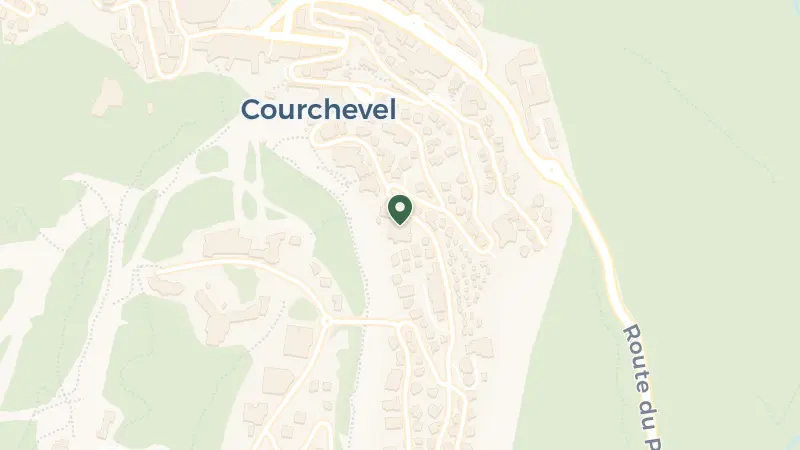
Courchevel 1850 rests at the apex of French Alpine luxury, a crystalline altitude village where snow reliability and exclusivity converge. The air at 1,747 metres sharpens every sensation: the crunch of groomed pistes underfoot, the scent of raclette drifting from chalets, the glint of afternoon sun on the Vanoise peaks. This is the heart of Les Trois Vallées, the world's largest linked ski terrain, and the resort's reputation draws royal families and discerning skiers who expect impeccable grooming and discreet service in equal measure. The village itself feels like a pocket principality, its pedestrian streets lined with Michelin-starred restaurants, private boutiques, and timber-and-stone architecture that nods to Savoyard tradition without sacrificing contemporary refinement.
Beyond the slopes, the commune's four villages cascade downhill: Le Praz (site of the 1992 Olympic ski-jumping events), Courchevel 1550, and Moriond each offer quieter alternatives, though 1850 remains the social and culinary epicentre. Chambéry airport lies 64 kilometres northwest, reachable via private transfer through the Tarentaise Valley, where cheese cooperatives and baroque chapels punctuate the ascent.
The property anchors the haute altitude enclave, its presence woven into the rhythm of a resort accustomed to hosting heads of state and seasoned alpinists alike.
Three-Michelin-starred Le 1947 à Cheval Blanc sits just 387 metres away, where Yannick Alléno orchestrates creative menus that have earned the resort its reputation as a dining destination to rival its skiing. Slalom 1850, also within walking distance at 249 metres, holds two stars for Thomas Prod'homme's Alpine-inflected creativity. For those willing to venture 46 kilometres to Megève, Emmanuel Renaut's Flocons de Sel rewards the journey with three stars and a devotion to Lake Geneva fish, mountain cheeses, and foraged herbs that define Haute Savoie cooking. The property itself offers Restaurant Loulou for a more relaxed dining rhythm.
Beyond the table, the Trois Vallées ski domain spreads across 600 kilometres of linked pistes, accessible directly from the village. Golf de Courchevel, less than a kilometre away, trades winter for summer appeal. The Réserve naturelle du plan de Tuéda, 8.8 kilometres distant, protects ancient stone pine forests and offers hiking trails that cut through landscapes unchanged since the House of Savoy ruled these valleys. Book a guide for ski touring into Vanoise National Park's core zone, where silence replaces lift machinery.
January through March delivers the iconic Courchevel experience: deep snow blankets the village, temperatures hover between minus ten and minus two, and blue-sky days illuminate the peaks with blinding clarity. The slopes hum with precision-groomed corduroy, and evenings turn sharp and starlit.
April and May introduce shoulder-season quiet as lifts close and pastures emerge from snowmelt. Wildflowers carpet the mountainsides by late May, and temperatures climb toward eight degrees, though mornings remain brisk. This is when locals reclaim the trails.
Summer (June through August) surprises visitors unfamiliar with Alpine metamorphosis: temperatures reach the high teens, the air smells of pine resin and alpine hay, and hikers replace skiers on the slopes. September brings golden larches and still-warm afternoons before October ushers in the first snowfalls and the cycle begins anew.
Frequently Asked Questions

Quotes are personally reviewed by Natasha Hardy, founder of The Uncommon Traveller
5.0 rating · 8 Google reviewsThere is no fee or markup. The hotel pays our commission.
Request a Quote 4 Bib Gourmand