Four Seasons Hotel Mumbai
When you book Four Seasons Hotel Mumbai in India through our Four Seasons Preferred partnership, your perks are confirmed with your quote. No premium credit card or membership needed: request a quote and our advisor books it at the same rate as booking direct.
Exclusive Booking Perks
Perks at this property are confirmed with your quote. You book at the same rate as booking direct.
- Four Seasons Preferred Partner benefits apply.
- 4 exclusive perks included with your booking. Message us on WhatsApp for details.
Guest feedback
9.0/10 from 111 guest reviews
By category
Guests liked
- Great staff
- Amazing service
- Good breakfast
Points to consider
- Cleanliness of the surrounding area
- Too much artificial fragrance
- No recycling system in rooms
Location
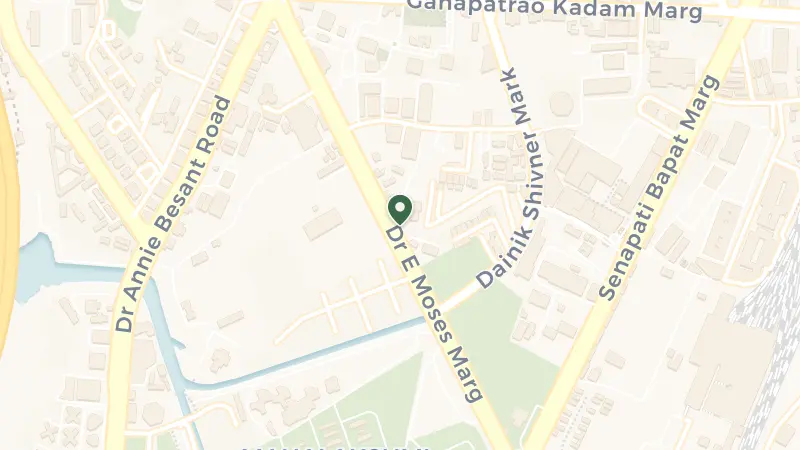
Four Seasons anchors its Mumbai presence in the philosophy that has defined the brand across five continents: anticipatory service calibrated to the individual, cultural programming that reflects the destination, and a standard of personalised attention that includes everything from twice-daily housekeeping to round-the-clock in-room dining. The property stands in Mahalakshmi, a district named for the Hindu goddess of prosperity and abundance, a fitting emblem for a city where wealth and ambition have reshaped the very coastline.
Mumbai rises from land that did not exist three centuries ago. Seven fishing islands inhabited by Koli communities were ceded to the Portuguese, then to the British East India Company in 1661 as part of Catherine of Braganza's dowry. The Hornby Vellard project, completed in 1845, reclaimed the shallows between these islands from the Arabian Sea, creating the peninsula that now supports India's financial capital. The city holds more billionaires than any other in Asia, yet retains the texture of its colonial past in Victorian Gothic railway stations and Art Deco apartment blocks that earned UNESCO recognition.
Chhatrapati Shivaji Maharaj International Airport lies twelve kilometres away, connected by elevated expressways that slice above the dense fabric of the city. Closer still, the Willingdon Sports Club's manicured fairways occupy two kilometres of reclaimed land, a reminder that even leisure here is built on ambition.
Mahalakshmi sits at the junction of Mumbai's old money and new energy. The Dadar Flower Market, less than three kilometres north, fills pre-dawn hours with the scent of jasmine and marigold, wholesalers sorting garlands destined for temple offerings and wedding ceremonies across the city. Chhatrapati Shivaji Terminus, six kilometres southeast, remains the most exuberant expression of Victorian Gothic Revival architecture in India, its turrets and pointed arches blended with Mughal motifs, still functioning as the nerve centre for suburban rail lines that carry millions daily. Further along the harbour, the Elephanta Caves occupy an island thirteen kilometres offshore, seventh-century rock-cut temples dedicated to Shiva where monumental sculpture emerges from living basalt.
Book a ferry to Elephanta before the midday heat settles in; the crossing offers views back toward the city's skyline, the same Arabian Sea harbour that made Mumbai a natural port for centuries. The Victorian Gothic and Art Deco Ensembles, seven kilometres south, trace the city's twentieth-century ambition through buildings that still house working offices, their Streamline Moderne facades weathered by monsoon rains. Between October and March, migratory flamingos gather in the mudflats of Thane Creek, twenty kilometres east, their pink forms startling against industrial shorelines.
November through February delivers Mumbai's most comfortable temperatures, highs around thirty degrees and evenings cool enough for rooftop dining. The city sharpens in this season, clear light picking out architectural details obscured by monsoon haze, streets humming with festival preparations for Diwali and New Year.
March through May turns progressively hotter, the air thick and still before the rains arrive. Afternoons empty as the city retreats indoors; mornings and late evenings become the hours for movement. By May, temperatures push past thirty-one degrees, humidity clinging to skin, anticipation building for the southwest monsoon.
June through September transforms the city under torrential downpours, the monsoon delivering over half a metre of rain in July alone. Streets flood, traffic slows, but the city never quite stops. The Arabian Sea churns grey-green, and the air smells of wet earth and salt. October marks the transition, rains tapering as festival season begins and the city exhales into cooler, drier months.
Frequently Asked Questions

Quotes are personally reviewed by Natasha Hardy, founder of The Uncommon Traveller
5.0 rating · 8 Google reviewsThere is no fee or markup. The hotel pays our commission.
Request a Quote