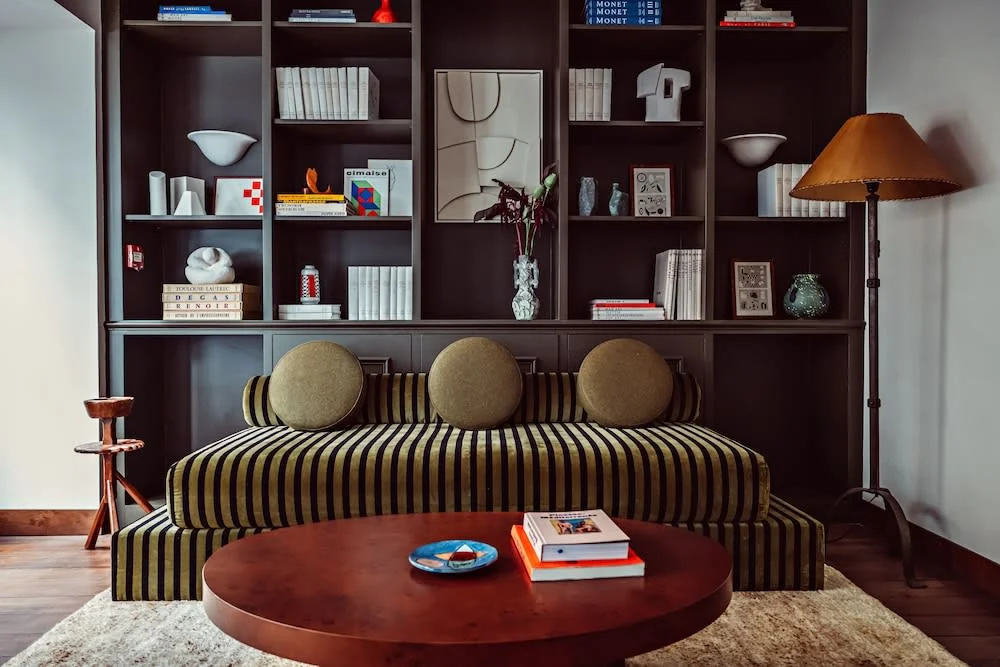
Hôtel des Académies et des Arts
When you book Hôtel des Académies et des Arts in Paris, France, through our Fora Reserve partnership, your stay includes breakfast for two. You also receive a room upgrade when available. No premium credit card or membership needed: request a quote and our advisor books it at the same rate as booking direct.
Exclusive Booking Perks
These perks are included with your stay at the same rate as booking direct with the hotel.
- Complimentary breakfast for 2
- In-room VIP amenities with drinks and treats
- Upgrade upon availability
Guest feedback
9.4/10 from 754 guest reviews
By category
Guests liked
- Friendly staff
- Great location
Points to consider
- Cleanliness issues
- Small rooms
Location
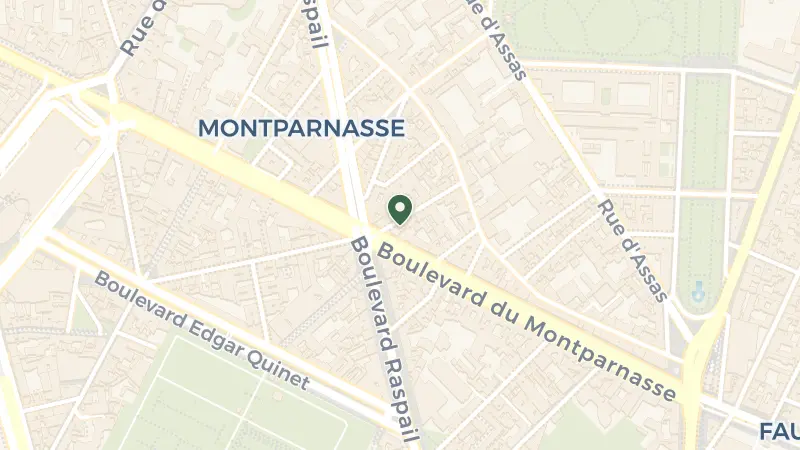
The 6th arrondissement sits on the Rive Gauche, where intellectual Paris still gathers in the shadow of Saint-Germain-des-Prés and the Luxembourg Gardens. This is the city of galleries, publishing houses, and centuries-old cafés, where students from the École des Beaux-Arts cross paths with senators heading to the Palais du Luxembourg. The Seine bends north just beyond the neighbourhood's edge, spanned by the pedestrian Pont des Arts, a link to the Right Bank that frames views of the Louvre's long façade. Saint-Sulpice Church anchors one of the arrondissement's finest squares, its mismatched towers rising over a fountain where locals linger on warm afternoons.
The streets here retain the proportions Baron Haussmann gave them in the 19th century: wide boulevards lined with chestnut trees, apartment blocks with wrought-iron balconies, cobbled side streets that narrow into passages barely wide enough for a single car. You'll hear the particular acoustics of a Parisian quartier: the scrape of chairs on café terraces, the chime of church bells from Saint-Germain Abbey, the low hum of conversation spilling from bookshops and antique dealers. The light has a softness in the mornings, filtered through plane trees and reflected off pale limestone.
Charles de Gaulle Airport lies 25 kilometres northeast, with RER trains connecting to the city centre. Orly Airport, 13 kilometres south, serves European routes and offers a quicker approach to the Left Bank.
The arrondissement's dining culture runs deep. Arpège, Alain Passard's temple to vegetables, sits 1.8 kilometres east; his meat-free tasting menus have held three Michelin stars for decades, sourcing produce from his own gardens in the Loire Valley and Normandy. Two kilometres north, Plénitude at Cheval Blanc Paris occupies the restored Samaritaine, where Arnaud Donckele applies his three-starred precision to dishes that might include turbot with sea urchin or Breton blue lobster. For those willing to venture 2.6 kilometres, Kei Kobayashi's eponymous restaurant layers French technique over Japanese sensibility: his langoustine with caviar and shiso exemplifies the delicacy that earned him three stars. Closer to home, the Marché Edgar Quinet convenes twice weekly half a kilometre from the property, while the organic Marché Raspail draws Saturday morning crowds less than a kilometre away.
The UNESCO-listed Banks of the Seine unfold three kilometres north, tracing the river's role in shaping Paris from medieval fortress to Enlightenment capital. Book a table at one of the neighbourhood bistros early; reservations here matter, even midweek.
Summer stretches from June through August, when temperatures climb past 20 degrees and the city empties for les vacances. Parisians flee; tourists arrive. The light stays high until nearly 10pm in July, gilding the Seine and making outdoor tables at Boulevard Saint-Germain cafés worth the wait. August sees the fewest locals and the warmest nights, often above 14 degrees.
Spring and autumn offer the most balanced conditions: April and October hover around 14 to 16 degrees during the day, cool enough for walking without the August torpor. September rewards visitors with lingering warmth and the return of cultural programming after the summer lull. The city smells different then, chestnuts roasting by November, fresh rain on stone.
Winter brings short days and temperatures near freezing. January mornings can feel raw along the river, the sky often flat and grey. But the museums are quieter, the café windows fog with warmth, and Paris takes on the introspective character that suits the Left Bank best.
Frequently Asked Questions

Quotes are personally reviewed by Natasha Hardy, founder of The Uncommon Traveller
5.0 rating · 8 Google reviewsThere is no fee or markup. The hotel pays our commission.
Request a Quote 47 Bib Gourmand