JW Marriott Istanbul Bosphorus
When you book JW Marriott Istanbul Bosphorus in Turkey through our Marriott Luminous partnership, your stay includes daily breakfast for two and a welcome amenity. You also receive a room upgrade, early check-in and late check-out when available. No premium credit card or membership needed: request a quote and our advisor books it at the same rate as booking direct.
Exclusive Booking Perks
These perks are included with your stay at the same rate as booking direct with the hotel.
- Welcome amenity
- Complimentary breakfast daily for two guests per room
- Early check-in and late check-out (when available)
- Complimentary upgrade (if available at check-in)
Guest feedback
9.0/10 from 87 guest reviews
Read what guests commentedBy category
Guests liked
- Excellent staff
- Great location
Points to consider
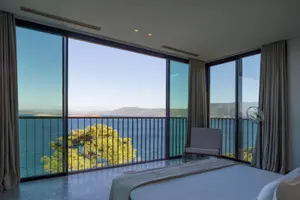
- Room without windows, noisy street outside
Location
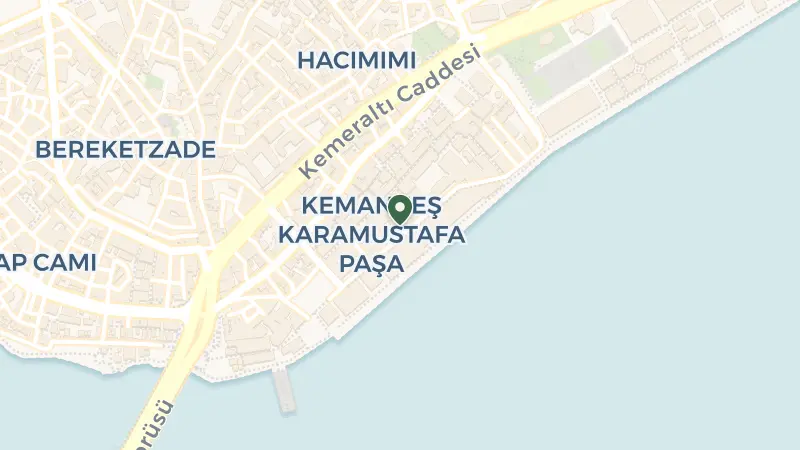
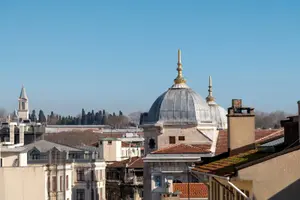
JW Marriott positions itself as a sanctuary for the intentional traveler, and this property delivers on that promise in one of the world's most layered cities. The location alone rewards: Karaköy sits at the mouth of the Golden Horn on the European shore, where Byzantine walls once met the water and Genoese merchants built their fortified quarter. This is old Galata, now reinvented as a commercial and cultural crossroads where ferry horns echo off nineteenth-century warehouse façades and the call to prayer drifts down from hillside mosques.
The neighbourhood pulses with contrasts. Cobbled lanes climb toward the Galata Tower, passing meyhanes (traditional taverns) and third-wave coffee roasters in equal measure. The Bosphorus itself is never more than a few minutes' walk, its surface crowded with tankers, ferries, and fishing boats. Half a kilometre south, Neolokal reinterprets Anatolian flavours in a former customs warehouse. Two kilometres across the strait, the Historic Areas of Istanbul (a UNESCO World Heritage Site) unfold: the Blue Mosque, Hagia Sophia, Topkapı Palace, and the Byzantine cisterns that honeycomb the First Hill.
İstanbul Airport lies 35 kilometres northwest; Sabiha Gökçen is 31 kilometres southeast on the Asian side. Both connect to the city via private transfer or metered taxi. The Tünel funicular and tram lines thread through Beyoğlu, linking Karaköy to the Grand Bazaar and beyond.
Neolokal, a one-star restaurant four hundred ninety-one metres away, bridges past and present, reimagining Turkish culinary traditions with contemporary techniques. Flavours from centuries past anchor the menu. Slightly farther, Nicole, also one star, occupies a building once home to Franciscan nuns in the early twentieth century; narrow lanes lead to its entrance, where modern art greets arrivals. For a deeper dive into Turkish terroir, TURK FATİH TUTAK holds two stars, showcasing regional ingredients and produce from local traders with respect for tradition. Book a table there to understand what modern Anatolian cooking can achieve.
Topkapı Palace, built in 1460, stands as the Ottoman seat of power, its courtyards and pavilions overlooking the strait. Rumeli Hisarı, a fortress from 1451, commanded the narrowest point of the Bosphorus during the siege of Constantinople. The Egyptian Spice Bazaar, just over a kilometre southwest, fills vaulted halls with the scent of cumin, sumac, and dried rose petals. Galata Şarküteri, four hundred metres from the hotel, offers provisions and local charcuterie. The Golden Horn and Bosphorus unfold from the waterfront, ferries crossing between Europe and Asia in a rhythm unchanged for generations.
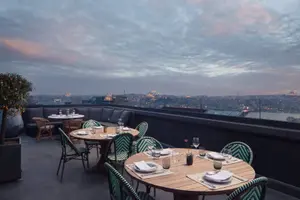
Summer in Istanbul is long and dry, with temperatures climbing into the high twenties by July and August. The Bosphorus glitters under sharp light, café tables spill onto pavements, and the city's rhythm slows just enough for long evenings on rooftop terraces. Rain is rare, humidity manageable.
Autumn brings cooler air and the first rains by October, when the city's parks flush gold and the tourist crowds thin. Spring is short and sweet, with March still brisk but May offering warm days and blooming judas trees along the strait. Winter can be raw, with temperatures dipping to single digits and December rains turning the Golden Horn slate-grey.
Most visitors favour late April through June or September through early November, when the weather is mild and the city's layers reveal themselves without the crush of high summer.
Frequently Asked Questions

Quotes are personally reviewed by Natasha Hardy, founder of The Uncommon Traveller
5.0 rating · 8 Google reviewsThere is no fee or markup. The hotel pays our commission.
Request a Quote 16 Bib Gourmand