Kimpton Tsim Sha Tsui
When you book Kimpton Tsim Sha Tsui in Hong Kong through our IHG Destined partnership, your stay includes daily breakfast for two, a $100 USD hotel credit per stay and a welcome amenity. You also receive a room upgrade, early check-in and late check-out when available. No premium credit card or membership needed: request a quote and our advisor books it at the same rate as booking direct.
Exclusive Booking Perks
These perks are included with your stay at the same rate as booking direct with the hotel.
- $100 USD (or local currency equivalent) hotel credit per stay
- Daily complimentary breakfast for 2 guests (full or continental, depending on the hotel)
- Complimentary room upgrade (subject to availability)
- Local welcome amenity
- Early check-in / late check-out (subject to availability)
Location
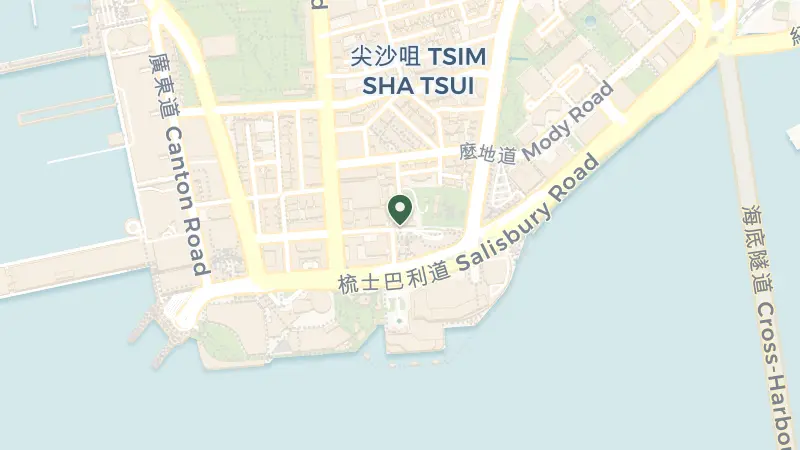
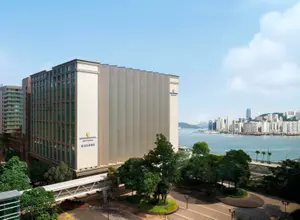
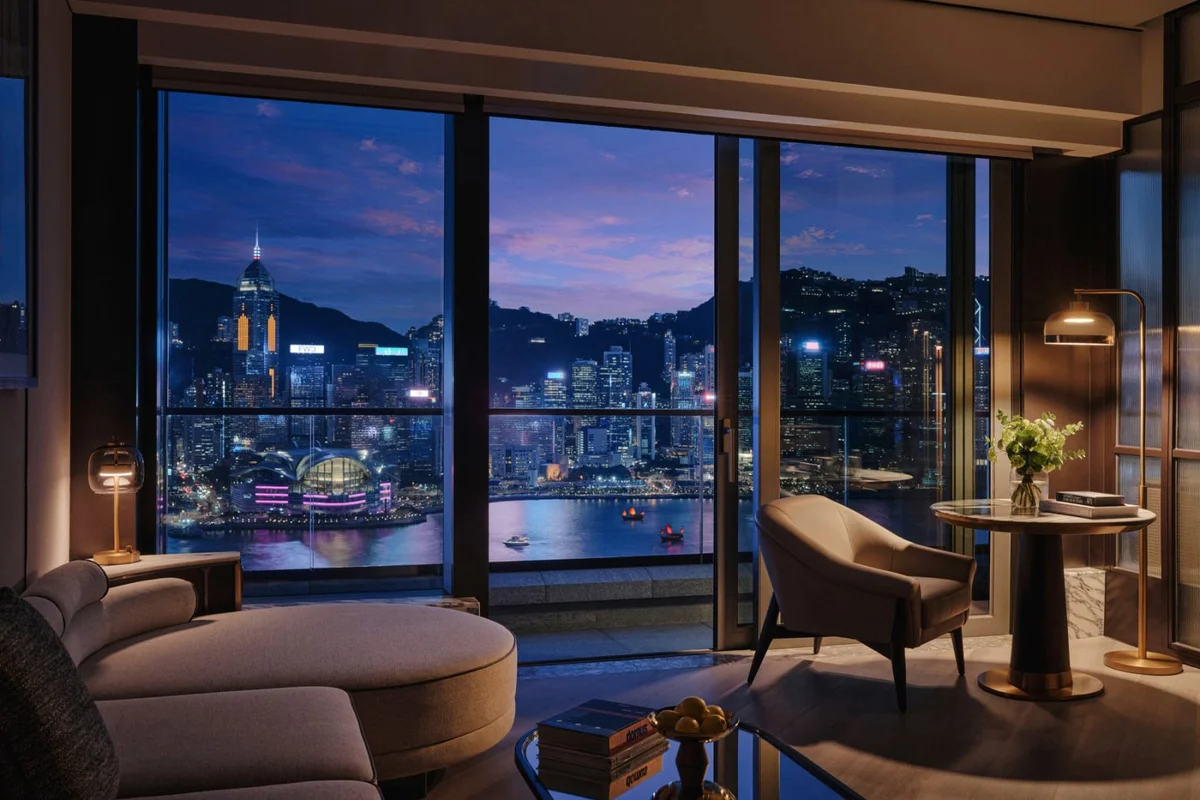
Tsim Sha Tsui presses against the southern tip of the Kowloon Peninsula, where Victoria Harbour frames the waterfront and the city's iconic skyline rises across the water. The neighbourhood hums with a particular energy: neon-lit Nathan Road cuts north through camera shops and tailors, while the harbour promenade draws evening strollers who come for the Symphony of Lights, the nightly laser show that illuminates Hong Kong Island's towers. Ferries churn between shores, their horns echoing over the water, and the density here is almost palpable: 49,000 people per square kilometre in the Yau Tsim Mong District, which folds together Tsim Sha Tsui, Yau Ma Tei, and Mong Kok into a single urban core.
This is old Kowloon, where British colonial history meets Cantonese bustle. The former Kowloon-Canton Railway Clock Tower stands near the waterfront, a red-brick relic from 1915, while inland you'll find the Peninsula Hotel's 1928 facade and the Avenue of Stars paying tribute to Hong Kong cinema. The streets smell of char siu and incense, sound like Cantonese bargaining and tram bells, feel like humidity and air conditioning in equal measure.
Hong Kong International Airport sits 27 kilometres west on Lantau Island, connected by the Airport Express rail line, which deposits arrivals at Kowloon Station in under 25 minutes.
On-site, chef Vicky Lau helms Jija, where Guizhou and Yunnan cuisines meet creative reinterpretation in a dark-wood dining room overlooking the harbour. The name means gabfest in Cantonese, and the menu delivers Yunnan's crossing-the-bridge noodles and Guizhou's sour fish soup with modern plating and unexpected flourishes. Book a table at T'ang Court, just 400 metres away, where three Michelin stars glow over Cantonese cooking executed with technical precision: plush interiors, Chinese art on the walls, and dishes that justify the restaurant's enduring popularity with serious diners. Forum, 1.8 kilometres north, remains synonymous with its late co-founder Yeung Koon-yat's Ah Yat braised abalone, a dish created decades ago that still draws devotees across the city.
The harbour promenade delivers unobstructed views of the island skyline, while the Hong Kong Museum of Art and the Hong Kong Space Museum anchor the waterfront Cultural Centre complex. Venture two kilometres east to the villain hitting stalls at Bowrington Bridge, where practitioners perform traditional Cantonese curses by beating paper effigies with shoes, or explore the produce abundance at Java Road Market, 2.6 kilometres along the coast, where dai pai dong stalls serve salt-and-pepper mantis shrimp under fluorescent lights.
October through December offers the most comfortable conditions: temperatures settle between 15 and 27 degrees, humidity drops, and the light turns crisp over the harbour. The streets feel less oppressive, outdoor dining becomes pleasant, and the occasional cool front sweeps down from the north, clearing the haze.
January and February bring cooler mornings, occasionally dipping to 12 degrees, when locals bundle into puffer jackets that seem disproportionate to visitors from colder climates. By March, warmth returns, and the city shakes off its brief winter.
May through September means monsoon season: thick humidity, sudden downpours, and temperatures hovering near 30 degrees. August alone averages 348 millimetres of rain. The city doesn't stop, but the air feels like walking through wet silk, and typhoons occasionally shutter the harbour.
Frequently Asked Questions

Quotes are personally reviewed by Natasha Hardy, founder of The Uncommon Traveller
5.0 rating · 8 Google reviewsThere is no fee or markup. The hotel pays our commission.
Request a Quote 90 Bib Gourmand