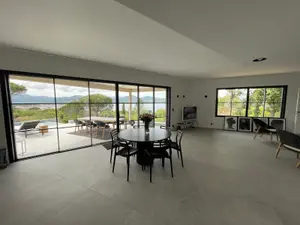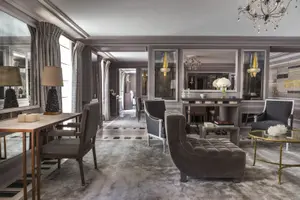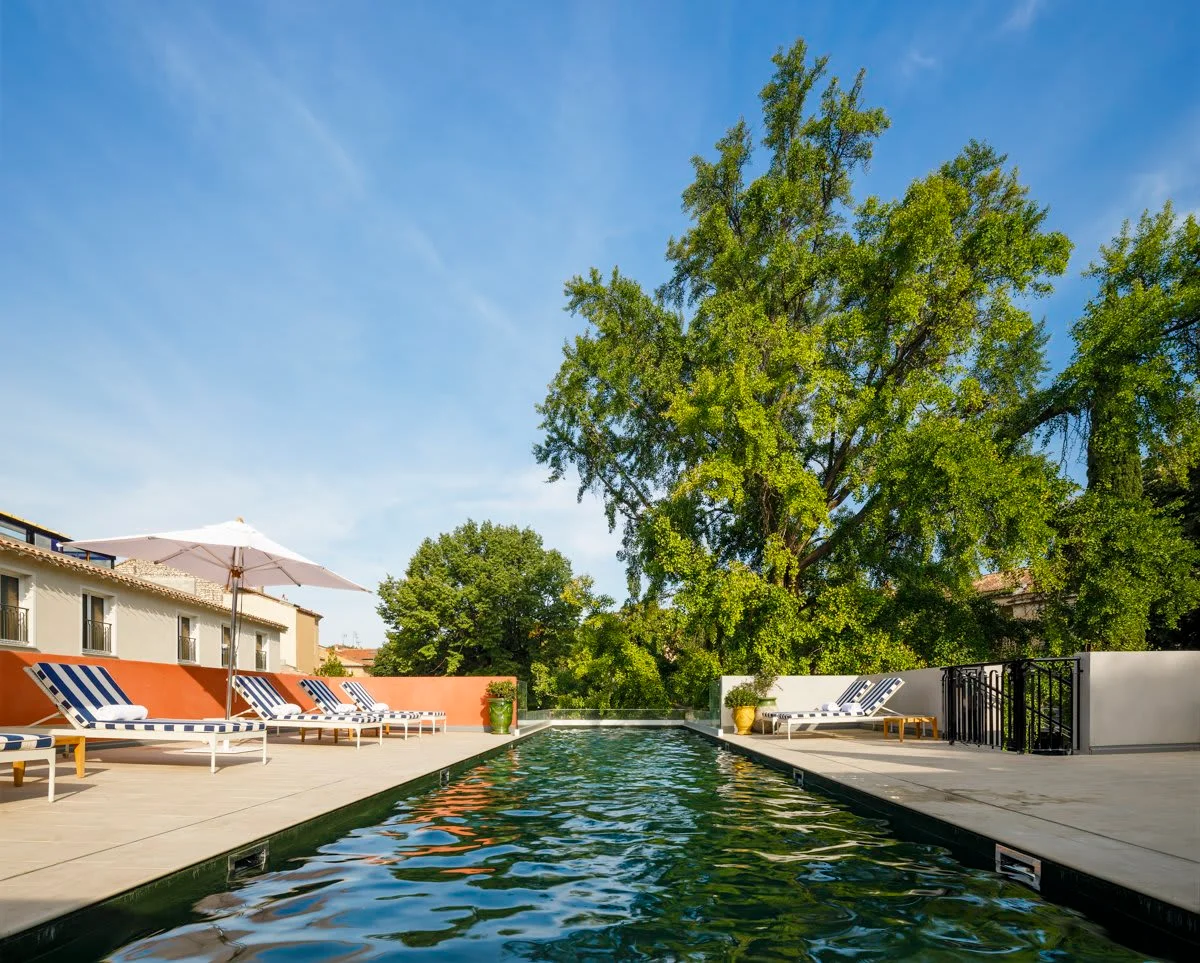
Maison Albar Hotels L'Imperator
When you book Maison Albar Hotels L'Imperator in Nîmes, France, through our Leading Hotels of the World partnership, your stay includes daily breakfast. You also receive early check-in and late check-out when available. No premium credit card or membership needed: request a quote and our advisor books it at the same rate as booking direct.
Exclusive Booking Perks
These perks are included with your stay at the same rate as booking direct with the hotel.
- Daily breakfast
- VIP status
- Early check in/Late check out
Guest feedback
9.2/10 from 1,759 guest reviews
By category
Guests liked
- Exceptional staff attention
- Excellent location and amenities
Points to consider
- Inconsistent breakfast quality
- Some noise from the street
Location
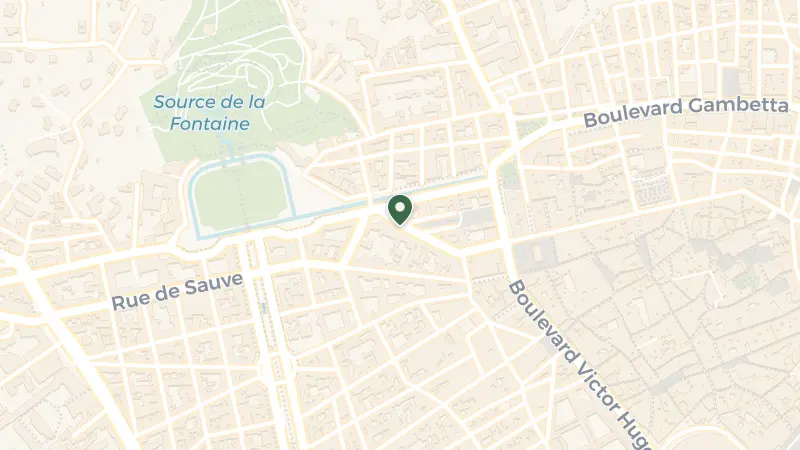
Maison Albar Hotels brings a distinctly contemporary sensibility to storied European addresses, balancing heritage with a modern eye for art and design. In Nîmes, that philosophy finds its match in a city that wears two millennia of history with unassuming grace. This is the French Rome, where honey-coloured limestone and Roman engineering define the skyline: the Arena rises in the city centre like a quieter, more intimate Colosseum, still hosting bullfights and concerts, while the Maison Carrée, a pristine first-century temple, anchors the place d'Assas with columns that have witnessed the rise and fall of empires. The Musée de la Romanité, a glinting contemporary structure clad in glass and draped fabric, opened in 2018 directly opposite the amphitheatre, its rooftop garden offering a startling view of ancient and modern in conversation.
The Écusson neighbourhood hums with café terraces and narrow medieval lanes that open suddenly onto Roman ruins. Walk five minutes in any direction and you'll stumble on the temple of Diana in the Jardins de la Fontaine, or the Carré d'art, a 1993 Norman Foster building housing a museum of contemporary art. The city feels lived-in rather than preserved, its Roman bones visible beneath the rhythm of market days and evening apéros.
Montpellier-Méditerranée and Avignon Caumont airports both sit about 45 kilometres away, with Marseille Provence a longer reach at 82 kilometres. Most visitors arrive by train, Nîmes serving as a nexus between the Mediterranean coast and the vine-stitched hills of the Gard.
Duende occupies its own entrance at the property, a two-Michelin-starred collaboration with Pierre Gagnaire that channels the intensity of bullfighting and flamenco into modern French cooking. Gagnaire's signature layering of textures and flavours translates here into plates that honour Provençal ingredients with unmistakable theatricality. Book a table early; reservations fill weeks ahead. Nearby, the Marché de Jean Jaurès spreads its stalls less than a kilometre south, offering olives, tapenade, and sun-ripened tomatoes that taste of the Camargue. For a longer excursion, L'Oustau de Baumanière holds three Michelin stars in the Alpilles foothills, a 36-kilometre drive through olive groves and limestone ridges. Michel Kayser's Restaurant Alexandre, two-starred and just under ten kilometres east, delivers precise modern cooking under hundred-year-old cedars.
The Amphitheater of Nîmes rises a short walk from the hotel, its elliptical tiers remarkably intact after two millennia. Attend a performance if the schedule aligns, or simply walk the upper galleries for perspective on the city's compact layout. The Pont du Gard, a three-tiered Roman aqueduct spanning the Gardon river, stands 19 kilometres northeast. Arles, 29 kilometres southwest, preserves Roman arenas and Romanesque cloisters Van Gogh once painted. Start with the Musée de la Romanité for context on Nîmes itself: the collection traces the city's evolution from Celtic settlement to imperial outpost, and the rooftop terrace overlooks the Arena from an angle no postcard captures.
Summer in Nîmes is unrelenting sun and cicada drone, highs reaching 31°C in July and August, the light turning white-gold by midday and the Arena's stone radiating heat long after sunset. Spring and autumn are gentler, with temperatures in the high teens to low twenties, wildflowers threading the garrigues in April and plane trees shedding russet leaves in October, though autumn brings heavier rains.
Winter is mild by northern standards, highs around 10°C, but the mistral wind can cut through the Roman streets with surprising bite, clearing the sky to a brilliant, brittle blue. Late spring through early autumn is ideal for wandering the amphitheatre and the gardens without the crush of peak summer crowds.
Frequently Asked Questions

Quotes are personally reviewed by Natasha Hardy, founder of The Uncommon Traveller
5.0 rating · 8 Google reviewsThere is no fee or markup. The hotel pays our commission.
Request a Quote 11 Bib Gourmand