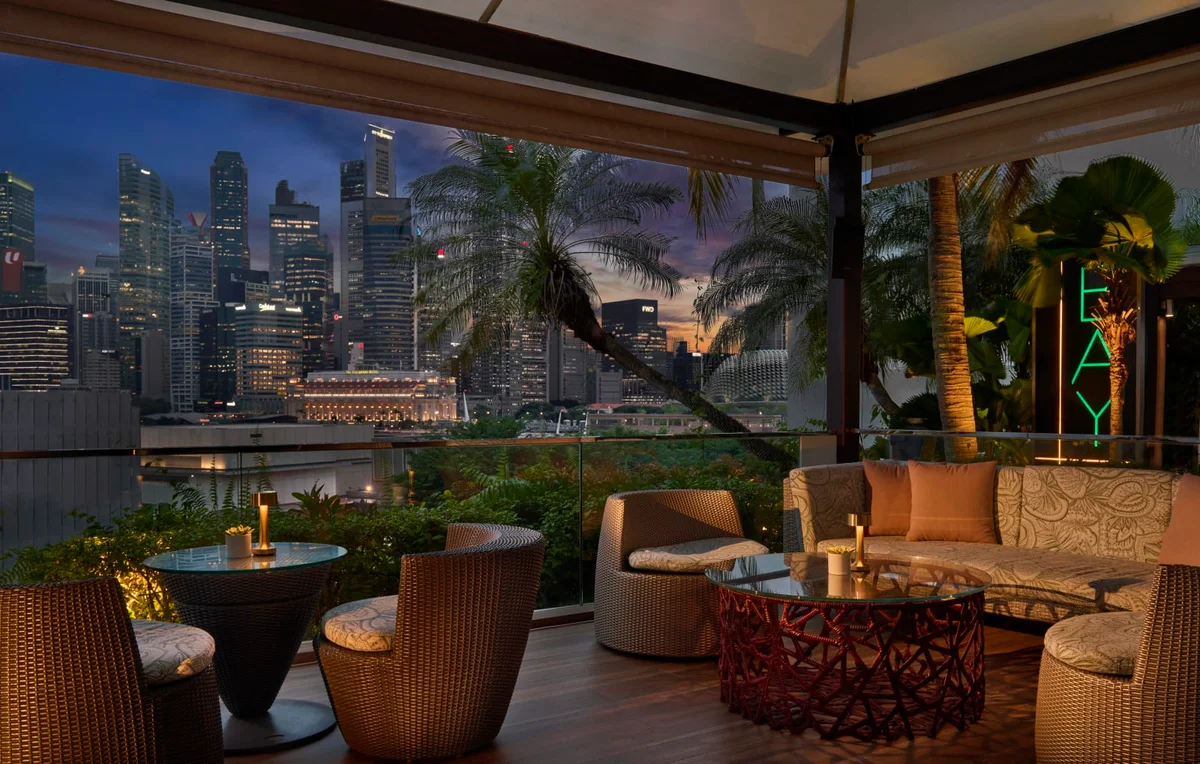
Mandarin Oriental, Singapore
When you book Mandarin Oriental, Singapore, through our Mandarin Oriental Fan Club partnership, your perks are confirmed with your quote. No premium credit card or membership needed: request a quote and our advisor books it at the same rate as booking direct.
Exclusive Booking Perks
Perks at this property are confirmed with your quote. You book at the same rate as booking direct.
- 17 exclusive perks included with your booking. Message us on WhatsApp for details.
Guest feedback
9.6/10 from 1,341 guest reviews
Read what guests commentedBy category
Guests liked
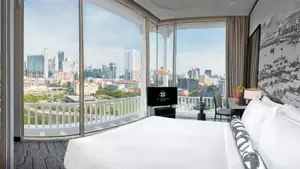
- Stunning views
- Helpful staff
Points to consider
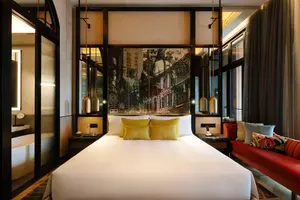
- Room size was small
Location
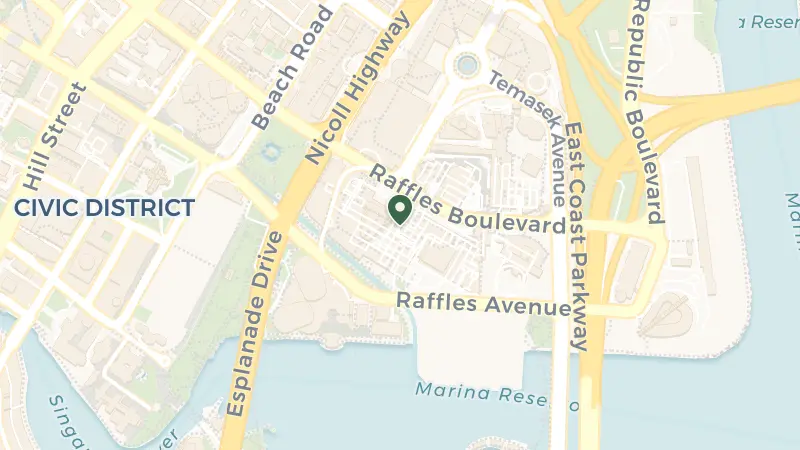
Mandarin Oriental brings six decades of Eastern hospitality heritage to its Singapore flagship, where the brand's signature attention to detail meets the energy of a city that has transformed from colonial trading post to global financial hub in a single lifetime. The hotel sits at the edge of Marina Centre, where gleaming high-rises give way to the historic Civic District, a neighbourhood that preserves the architectural bones of British colonial Singapore alongside world-class museums and performance spaces.
Step outside and you're within the gravitational pull of the National Gallery Singapore, housed in the former Supreme Court and City Hall, and the Esplanade's spiky durian-shell domes rising above Marina Bay. The Singapore River curves through the district, its banks now lined with restaurants and galleries where godowns once stored spices and textiles bound for Europe. Fort Canning's green hill presides over it all, a reminder that this island's strategic position at the tip of the Malay Peninsula made it a prize worth fighting for across centuries. The Civic District retains its ceremonial character: the Cenotaph, the Lim Bo Seng Memorial, buildings that speak to both colonial pomp and the fierce independence won in 1965.
Singapore Changi Airport lies seventeen kilometres east, connected by taxi and rail. The island's compact geography means little is far; the question is never whether you can reach it, but whether you'll make time between meals.
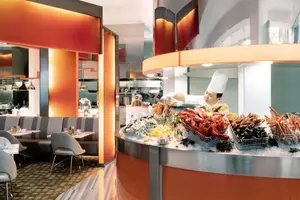
On-property dining reflects Mandarin Oriental's commitment to destination restaurants, and the hotel's location puts you within striking distance of the city's fine dining apex. Book a table at Odette, housed in the National Gallery seven hundred metres away, where Julien Royer's three-Michelin-starred French contemporary cooking uses luxury ingredients with surgical precision. Further afield, Zén occupies a shophouse two and a half kilometres north, its neo-Nordic, seafood-focused tasting menu bearing the influence of both Japan and chef Björn FrantZén's Scandinavian roots. Les Amis, three kilometres out, offers haute cuisine with the choice still in the diner's hands, a rare gesture of trust in an era of tasting-menu tyranny.
The Asian Civilisations Museum, a short walk away in the former Empress Place Building, contextualises the trade networks that built Singapore, while the Singapore Botanic Gardens, five kilometres northwest and a UNESCO World Heritage site since 2015, showcase the evolution of a British tropical garden into a modern scientific institution. For a sensory jolt, head to Tekka Wet Market in Little India, less than two kilometres north, where turmeric-stained hands and the mineral tang of fresh seafood remind you this city still knows how to eat at street level. Don't miss the hawker centres: Tanjong Pagar's stalls offer laksa and char kway teow that hold their own against any dining room.
Singapore sits one degree north of the equator, which means the question isn't whether it will be hot and humid, but how the monsoons will tilt the experience. The northeast monsoon from December through March brings the heaviest rains, though downpours tend to arrive in sudden, drenching bursts rather than lingering all day. The light between storms turns honey-thick, and the city smells of wet pavement and frangipani.
April and May offer a brief interlude before the southwest monsoon settles in from June through September, slightly drier but no less warm. October and November see rainfall peak again, the sky bruised purple most afternoons. For the clearest skies and least oppressive humidity, aim for February or July, though temperatures hover near 29°C year-round.
The city's rhythm doesn't shift much with the seasons; air-conditioned malls and museums make climate almost academic. What changes is the quality of the light and whether you'll duck under an arcade when the rain begins its afternoon drum solo on the shophouse roofs.
Frequently Asked Questions

Quotes are personally reviewed by Natasha Hardy, founder of The Uncommon Traveller
5.0 rating · 8 Google reviewsThere is no fee or markup. The hotel pays our commission.
Request a Quote 97 Bib Gourmand