Maxwell Reserve Singapore, Autograph Collection
When you book Maxwell Reserve Singapore, Autograph Collection, through our Marriott Luminous partnership, your stay includes daily breakfast for two and a welcome amenity. You also receive a room upgrade, early check-in and late check-out when available. No premium credit card or membership needed: request a quote and our advisor books it at the same rate as booking direct.
Exclusive Booking Perks
These perks are included with your stay at the same rate as booking direct with the hotel.
- Welcome amenity
- Complimentary breakfast daily for two guests per room
- Early check-in and late check-out (when available)
- Complimentary upgrade (if available at check-in)
Guest feedback
8.6/10 from 446 guest reviews
By category
Guests liked
- Friendly staff
- Great location
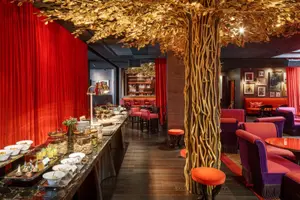
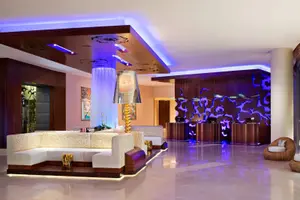
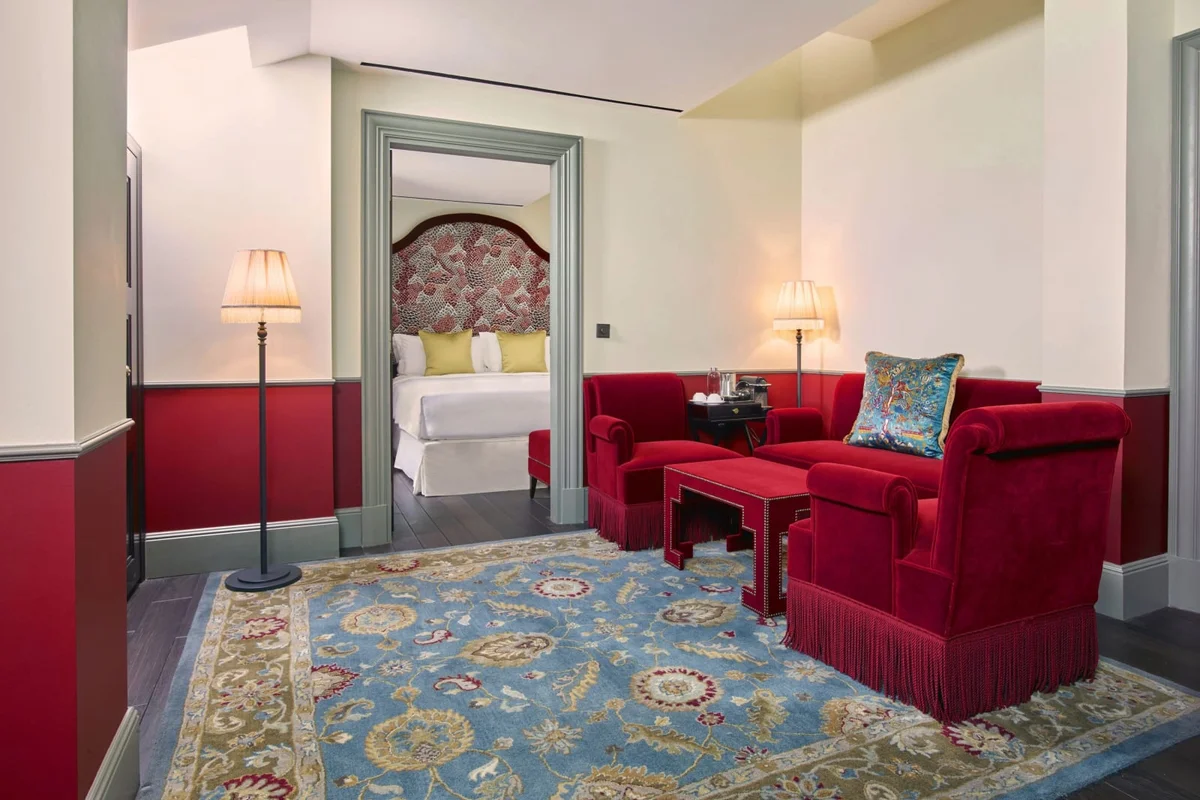
- Unique design
Points to consider
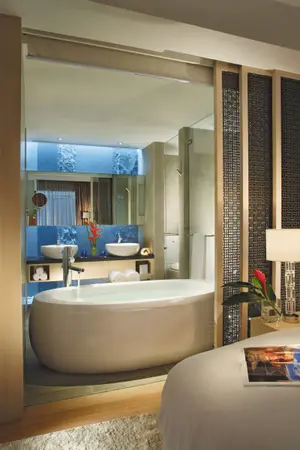
- Small rooms
- Dampness in room
- Construction noise
Location
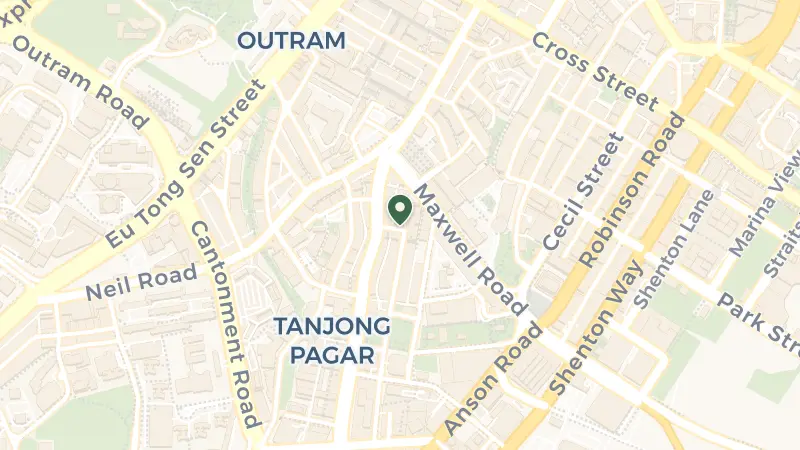
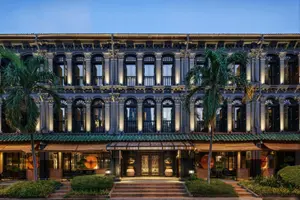
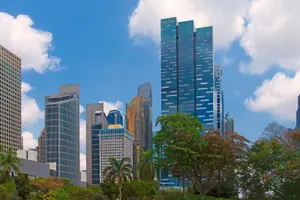
Autograph Collection properties lean into local character and individual identity, a philosophy that finds strong expression in Tanjong Pagar, a district where shophouse facades and hawker centre steam meet glass towers and gallery openings. The neighbourhood sits within Singapore's Central Business District, its name derived from the Malay for "cape of stakes," recalling a fishing village that once lined these shores. Today, the streets pulse with a different rhythm: heritage architecture preserved under strict conservation codes, Peranakan tiles visible through restaurant windows, the clatter of woks in nearby Tanjong Pagar Market and Food Centre mixing with the hum of after-work crowds spilling from wine bars.
The former Tanjong Pagar railway station, a 1932 Art Deco structure that ceased operations in 2011, anchors the district's southern edge, a reminder of the colonial trading post Stamford Raffles established in 1819. Walk north and you'll hit Chinatown proper, where temples and medicinal halls cluster along narrow lanes. The property sits at the junction of old and new Singapore, where shophouse gentrification meets the efficiency of a modern city-state.
Singapore Changi Airport lies eighteen kilometres east, connected by the Mass Rapid Transit or a quick taxi ride that delivers you straight into this evolving quarter of the island.
Zén, a three-Michelin-starred neo-Nordic kitchen with Japanese inflections, occupies a shophouse four hundred and fifty metres from the property. The eight-course tasting menu unfolds across two floors, beginning with aperitifs downstairs before the seafood-focused courses arrive. Book weeks ahead. Odette, another three-star establishment one and a half kilometres away, serves chef Julien Royer's French contemporary plates in a room recently softened with buttery tones and sofa seating. For haute cuisine with agency, Les Amis, three kilometres north, allows diners to shape their own progression through chef Sébastien Lepinoy's repertoire, a rarity at this altitude of dining. Start with the amuse-bouche and let the kitchen's precision unfold at your pace.
Beyond the table, the Singapore Botanic Gardens, five kilometres away, traces the arc of a British colonial institution that evolved into a modern scientific landmark, earning UNESCO recognition in 2015. Wetterling Teo Gallery, nearby, showcases contemporary Southeast Asian art in a white-cube setting. For provisions and theatre in equal measure, head to Tiong Bahru Market, one and a half kilometres west, where vendors hawk dragon fruit and turmeric root beneath corrugated roofs. The sensory overload is part of the draw.
Singapore's equatorial position delivers heat year-round, but the monsoon patterns shift the feel of each season. November through January brings the northeast monsoon, afternoons turning grey with sudden downpours that send crowds under covered walkways and into air-conditioned malls. The streets smell of wet concrete and ozone.
February through April offers drier, brighter days, temperatures climbing into the low thirties but tempered by sea breezes that reach even the inland districts. This is when outdoor markets feel less punishing, when walking between shophouses doesn't require ducking into every available shade.
May through October sees the southwest monsoon, sporadic afternoon thunderstorms that cool the city briefly before humidity rebounds. The best time to visit falls in the February to April window, when rain eases and the light stays sharp well into evening, ideal for wandering Chinatown's lanes or lingering at hawker centres without the sky threatening to open.
Frequently Asked Questions

Quotes are personally reviewed by Natasha Hardy, founder of The Uncommon Traveller
5.0 rating · 8 Google reviewsThere is no fee or markup. The hotel pays our commission.
Request a Quote 97 Bib Gourmand