Maxx Royal Bodrum
When you book Maxx Royal Bodrum in Turkey through our Fora Reserve partnership, your stay includes daily breakfast for two and a welcome amenity. You also receive a room upgrade, early check-in and late check-out when available. No premium credit card or membership needed: request a quote and our advisor books it at the same rate as booking direct.
Exclusive Booking Perks
These perks are included with your stay at the same rate as booking direct with the hotel.
- Daily breakfast for two guests per room
- Room upgrade (subject to availability at check-in)
- Early check-in/late check-out (subject to availability upon arrival and departure)
- $100 credit for fine dining restaurants (Leña, Spago, Caviar Kaspia or in-room dining) or towards a spa treatment.
- Complimentary airport transfer on arrival
- Welcome VIP amenity: Special gifts or amenities upon arrival
Guest feedback
9.4/10 from 76 guest reviews
Read what guests commentedBy category
Guests liked
- Friendly and helpful staff
- Beautiful property and amenities
Points to consider
- Noise disturbances
- Room maintenance issues
Location
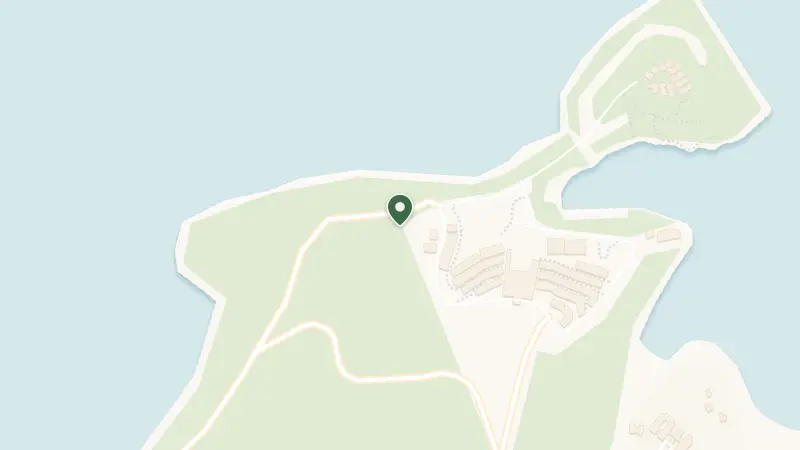
The Bodrum Peninsula curves into the Aegean with a particular grace, its shoreline fractured into dozens of coves where pine forests reach down to meet the water. Gölköy occupies a privileged position on the northern coast, where the bay opens wide and calm. The village itself remains largely residential, a scatter of whitewashed houses climbing the hillside, but the waterfront carries the quiet pulse of Bodrum's maritime heritage: fishing boats drawn up on sand beaches, the morning light turning the sea silver-green, the scent of wild thyme on the breeze.
This stretch of coast has drawn seafarers since antiquity, when Halicarnassus ruled these waters. The peninsula still holds remnants of that deep history: ancient theatres carved into hillsides, Hellenistic walls submerged in shallow bays. Modern Bodrum town, eleven kilometres southwest, mixes archaeological gravitas with Aegean resort life, its whitewashed marina district rising beneath the Crusader castle. Closer at hand, Gündoğan village anchors the neighbouring bay with tavernas and a weekly rhythm governed by market days and fishing returns.
Milas Bodrum International Airport sits twenty-seven kilometres inland, a straightforward transfer along roads that wind through olive groves and mandarin orchards. The drive itself becomes an introduction to the landscape: dusty hills, sudden glimpses of blue water, roadside stalls selling honey and dried figs.
From the property, the Aegean unfolds with immediate access. Lucca Beach stretches along the shore half a kilometre away, lifeguarded and accessible, its sand edging into water that stays shallow and clear well offshore. The peninsula's northern coves, Küçükbük Plajı four kilometres east and Gündoğan's public beach another kilometre beyond, offer quieter swimming and waterfront fish tavernas where the day's catch gets grilled over charcoal. For divers, Büyük Resif fourteen kilometres out presents underwater cliffs and reef formations, while the Uçak Batığı wreck rests in diveable depth sixteen kilometres from shore. Book a table at Maçakızı, two kilometres along the coast, where one Michelin star rewards the winding hillside approach with modern cooking and rooms that overlook the water through floor-to-ceiling glass.
Yalıkavak, seven kilometres west, anchors the peninsula's culinary ambitions. Mezra Yalıkavak occupies an industrial-lofty space with marble counter seating and one-star farm-to-table cooking rooted in Turkish ingredients. Another kilometre brings Kitchen By Osman Sezener, where regional produce arrives transformed through cosmopolitan technique but never overworked. The Yalıkavak Tuesday Market sprawls through town streets with produce stalls, spice vendors, and the particular energy of peninsula commerce. Further afield, the Datça wineries near the peninsula's western tip, forty-eight kilometres distant, cultivate vines in volcanic soil with views across the strait toward Rhodes.
Summer claims the Aegean coast from June through September, the sea warming to twenty-five degrees and the hills turning gold under relentless sun. July and August bring temperatures near thirty degrees, the heat softened by the meltemi winds that gust across the peninsula each afternoon. Bodrum fills with yachts and Istanbul weekenders, the marinas at capacity, the beach clubs in full swing.
Spring and autumn frame the high season with gentler appeal. May and October hold temperatures in the low twenties, the water still swimmable, the light acquiring a particular clarity that photographers chase. April sees wildflowers across the hillsides; November brings the first substantial rains but rarely disrupts outdoor plans. The markets operate year-round, though summer brings the fullest selection of stone fruit and tomatoes.
Winter transforms the coast into something quieter. December through February rarely drops below ten degrees, but the rains arrive in earnest, the sea turns grey-green, and the tourist infrastructure largely hibernates. The fishing villages revert to local rhythms, the restaurants that remain open serve içli köfte and fish stew to bundled locals, and the ancient stones at nearby archaeological sites sit empty under winter light.
Frequently Asked Questions

Quotes are personally reviewed by Natasha Hardy, founder of The Uncommon Traveller
5.0 rating · 8 Google reviewsThere is no fee or markup. The hotel pays our commission.
Request a Quote 6 Bib Gourmand