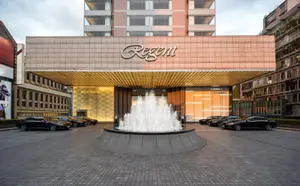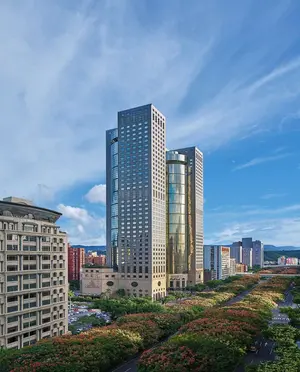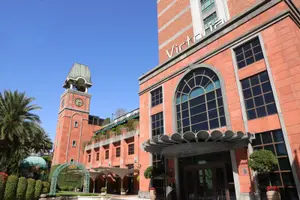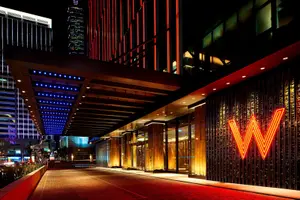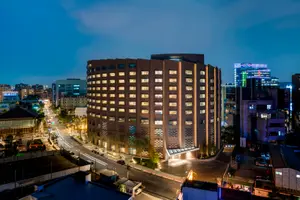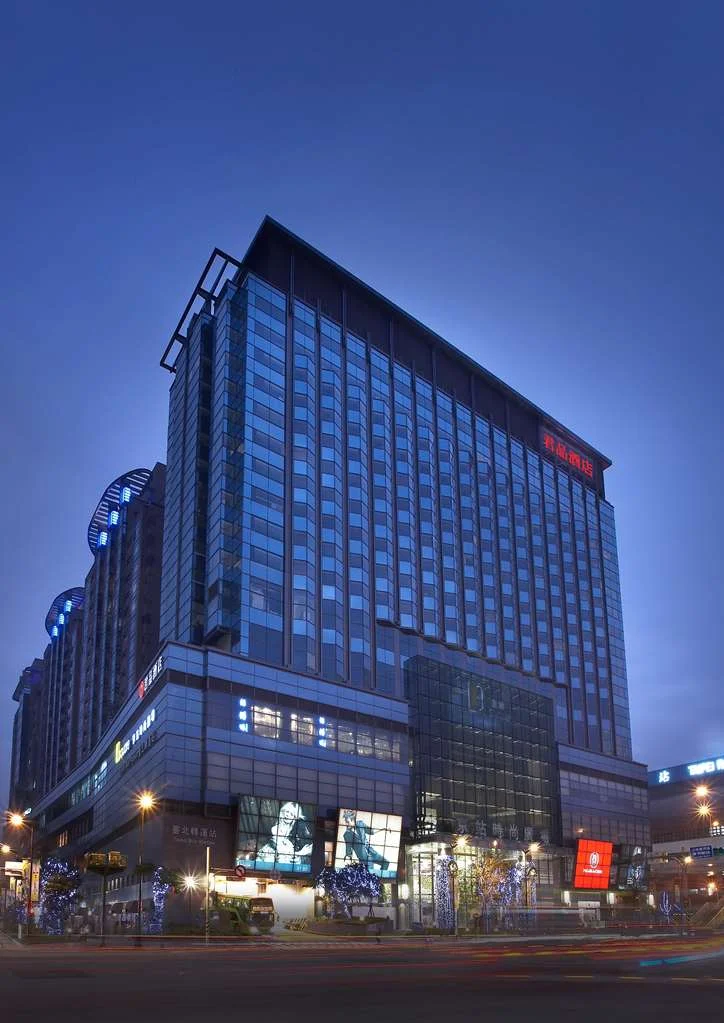
Palais de Chine Hotel
When you book Palais de Chine Hotel in Taipei, Taiwan, through our Preferred Platinum partnership, your stay includes daily breakfast for two, a $100 hotel credit per stay and a welcome amenity. You also receive a room upgrade when available. No premium credit card or membership needed: request a quote and our advisor books it at the same rate as booking direct.
Exclusive Booking Perks
These perks are included with your stay at the same rate as booking direct with the hotel.
- Breakfast for Two Daily
- $100 Hotel Credit per Stay (to be used on services such as spa, dining, or selected amenities valued at $100 or more)
- Hotel Welcome Amenity
- Room Upgrade (subject to availability)
- Priority Check-in and Check-out (subject to availability)
Guest feedback
9.2/10 from 2,737 guest reviews
By category
Guests liked
- Excellent location
- Friendly staff
- Outstanding service
Points to consider
- Rooms are rather dark
- Dining costs slightly high
Location
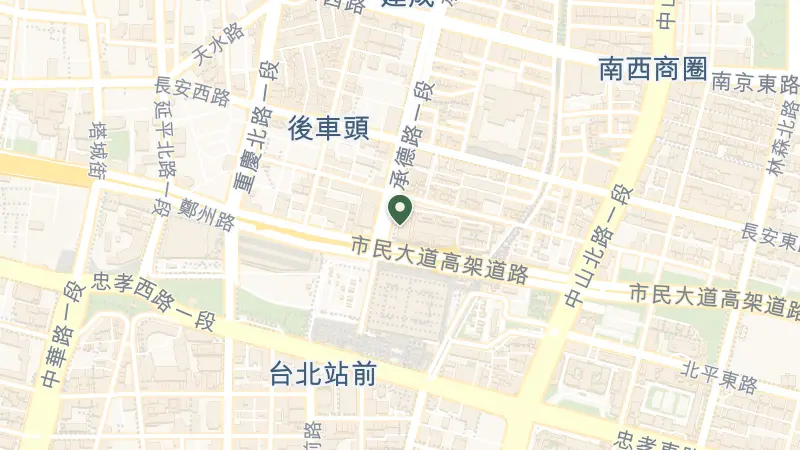
The property stands in Datong District, where Taipei's commercial history began. This is Twatutia, the settlement that predates the modern city, once the beating heart of trade before the centre shifted southeast. Dihua Street, less than a kilometre west, preserves that mercantile legacy: dried goods shops, herbalists, tea merchants, their facades still intact from the Japanese colonial era. The neighbourhood hums with a quieter rhythm than the downtown districts, residential blocks punctuated by fabric vendors and traditional markets.
The Tamsui River forms the western edge of Datong, its banks wide and flat where the water meets the basin. Low-rise shophouses line the narrower streets, their tiled roofs and wooden shutters a counterpoint to the glass towers visible across the cityscape. The air here carries the scent of incense from temple courtyards and the sharp, savoury note of street-side bao stalls. This is old Taipei, not preserved as a museum but living, adapting, selling bolts of silk and bottles of medicinal wine to anyone who knows where to look.
Taipei Songshan International Airport sits four kilometres southeast, a short taxi ride into the city. Taiwan Taoyuan International Airport, the main gateway, lies 29 kilometres west with frequent bus and rail links into the capital.
Le Palais, the hotel's three-Michelin-starred Cantonese restaurant, anchors the dining experience. The Hong Kong chef brings precision to classics like barbecued pork and steamed grouper, the dark dining room styled with Chinese garden motifs against European palatial flourishes. For contemporary Taiwanese cuisine elevated through French technique, Taïrroir holds three stars and sits less than six kilometres northeast, its menu a love letter to island terroir. Closer still, Eika occupies a minimalist space 1.1 kilometres away, its two-starred Japanese contemporary plates unfolding in front of a brightly lit open kitchen.
Dihua Street and the Yongle Fabric Market, under a kilometre west, offer bolts of silk, embroidered textiles, and dried seafood in shophouses dating to the Qing Dynasty. Guangzhou Street Night Market, 2.4 kilometres south, fills with oyster omelette vendors and grilled squid stalls after dark. For those drawn to nature, Yuanjue Falls drops 92 metres in the hills nine kilometres north, the trail shaded by bamboo and camphor laurel. Book a table at Le Palais well in advance; the evening dim sum service is tightly held.
Winter, from December through February, brings mild days in the high teens and cool evenings that rarely dip below 13°C. The streets stay dry, the light pale and slanting through the basin haze. This is the season for walking Dihua Street without the weight of humidity, for temple visits without the crush of summer crowds.
Spring arrives wet in March, rainfall climbing through May as temperatures push past 27°C. The city greens, balconies overflow with potted orchids, and the air thickens. Summer, June through August, is hot and drenched, the monsoon delivering afternoon downpours that flood the markets and send locals under awnings with bowls of shaved ice. Temperatures hold near 31°C, the humidity unrelenting.
Autumn, September through November, eases the heat. October is ideal: highs in the mid-twenties, skies clearing between showers, the city still warm enough for evening strolls along the river but no longer oppressive. The typhoon season tapers, and Taipei breathes again.
Frequently Asked Questions

Quotes are personally reviewed by Natasha Hardy, founder of The Uncommon Traveller
5.0 rating · 8 Google reviewsThere is no fee or markup. The hotel pays our commission.
Request a Quote 56 Bib Gourmand