PARKROYAL COLLECTION Pickering, Singapore
When you book PARKROYAL COLLECTION Pickering, Singapore, through our Pan Pacific Reserve partnership, your stay includes daily breakfast for up to two guests and a hotel credit from US$100 once per stay. You also receive a one-category room upgrade, early check-in and late check-out when available. No premium credit card or membership needed: request a quote and our advisor books it at the same rate as booking direct.
Exclusive Booking Perks
These perks are included with your stay at the same rate as booking direct with the hotel.
- Complimentary one-category upgrade upon arrival, subject to availability
- Complimentary daily breakfast for up to two guests per room.
- Priority early arrival subject to availability, and late guaranteed departure at 4pm.
- Welcome amenity
- Experience hotel credit value from US$100, once per stay. Additional amenities may vary per property.
Guest feedback
9.1/10 from 8,335 guest reviews
Read what guests commentedBy category
Guests liked
- Exceptional service
- Great location
- Beautiful property
Points to consider
- Concerns about cleanliness
- Limited amenities
Location
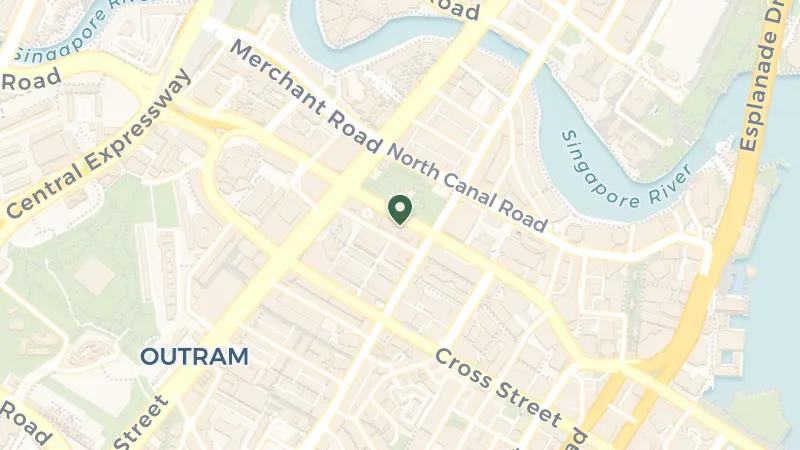
The PARKROYAL COLLECTION Pickering sits at the intersection of Singapore's evolving Central Business District, where the historic quarter of Tanjong Pagar meets the older Chinese commercial area of China Square. This is a city-state built on the ruins of Temasek, a medieval maritime emporium, remade by Stamford Raffles in 1819 as a British trading post, and reborn in 1965 as an independent republic. That restless reinvention defines the streets around the property: hawker centres and shophouses stand beside glass towers, and the air hums with the intermingled sounds of Mandarin, Malay, Tamil, and English.
The neighbourhood retains traces of its working past. Tanjong Pagar, whose name derives from the Malay for "cape of stakes" (a reference to fishermen's traps once anchored along the old shoreline), is now a district of renovated shophouses painted in pastel hues, their five-foot ways sheltering antique dealers, wine bars, and tailors. The Tanjong Pagar railway station, a 1932 art deco monument, looms as a relic of the Malayan Railway, its platforms silent since 2011.
The property is positioned roughly midway between Changi Airport (18 kilometres east) and the older Seletar airfield. Most international arrivals land at Changi and reach the hotel via taxi or the efficient MRT metro system, which connects directly to the CBD.
Singapore's most decorated tables cluster within walking distance or a short drive. Odette, less than a kilometre away, holds three Michelin stars for Julien Royer's French contemporary cooking built on luxury ingredients and refined technique. Zén, under a kilometre in a converted shophouse, delivers an eight-course neo-Nordic tasting menu with Japanese inflections and a strong seafood tilt. For classic haute cuisine where the diner still chooses rather than submits to a fixed parade, Les Amis serves Sébastien Lepinoy's vision less than three kilometres north. Book weeks ahead for any of them.
Beyond dining, the Singapore Botanic Gardens, a UNESCO World Heritage site five kilometres away, trace the evolution of a British colonial garden into a modern scientific institution. Closer, Tanjong Pagar Market and Food Centre, just over a kilometre south, operates as a working hawker hub where you can eat char kway teow and laksa under fluorescent lights alongside office workers. Start with the market stalls at People's Park for a snapshot of neighbourhood commerce, then wander the galleries along Club Street for contemporary Southeast Asian art.
Singapore's equatorial position delivers heat and humidity year-round, with temperatures hovering in the high twenties and dipping only slightly at night. The wet monsoon peaks from November through January, when sudden downpours flood the streets and the air thickens with moisture.
February through April see marginally less rainfall but rising heat. May and June are statistically drier, though afternoon thunderstorms remain frequent and brief. The rhythm of the city adjusts accordingly: hawker centres fill at dawn and dusk, while midday streets empty beneath the glare.
The driest stretch runs from May through early July, when the city feels fractionally less oppressive. Even then, the heat is a constant; shade, air conditioning, and iced drinks become structural elements of any itinerary.
Frequently Asked Questions

Quotes are personally reviewed by Natasha Hardy, founder of The Uncommon Traveller
5.0 rating · 8 Google reviewsThere is no fee or markup. The hotel pays our commission.
Request a Quote 97 Bib Gourmand