Rock House
When you book Rock House in Providenciales, Turks and Caicos, through our Fora Reserve partnership, your stay includes a resort credit. You also receive a room upgrade, early check-in and late check-out when available. No premium credit card or membership needed: request a quote and our advisor books it at the same rate as booking direct.
Special Offer
Save up to 20% This offer includes: + Up to 20% off + Flexible booking
Exclusive Booking Perks
These perks are included with your stay at the same rate as booking direct with the hotel.
- Upgrade on arrival, subject to availability*
- Early check-in / Late check-out, subject to availability
- In-suite welcome amenity upon arrival
- Resort credit per booking (may not be used toward room rate, third-party excursions, spa or boutique products; no cash value if not redeemed in full)
- Starting at $100, resort credit increases based on room category booked:
- Studio / Junior Suite
- $100
- One Bedroom
- $150
- Two Bedroom
- $200
- Three Bedroom
- $250
- Four Bedroom
- $300
- Private Villas* (Four & Five Bedroom)
- $500
- Six Bedroom & Larger
Location
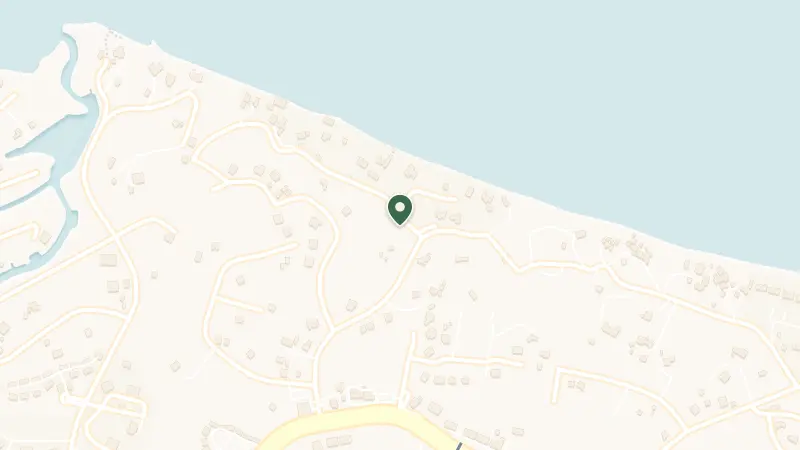
Providenciales rises from the northwest corner of the Turks and Caicos archipelago, a British Overseas Territory where the Atlantic meets the Caribbean in gradients of impossible blue. Known simply as Provo to locals and regulars, the island anchors a majority of the territory's population while maintaining the unhurried rhythm of a place where powder-fine sand and limestone cliffs dictate the pace. The left-hand drive feels unfamiliar at first, a reminder of the island's colonial ties, but the US dollar in your pocket and the ease of English conversation smooth arrival.
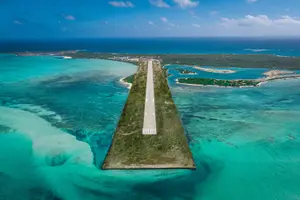
Turtle Cove Marina sits less than two kilometres away, its moored sailboats and dive boats bobbing in water so clear you can count the shadows of yellowtail snapper from the dock. The surrounding low-rise development sprawls along Grace Bay's legendary fifteen-kilometre stretch, though the Rock House claims the quieter southwest shore, where sunset views eclipse the northeast's famous beach scene. Providenciales International Airport lies just three kilometres distant, close enough that the transition from tarmac to terrace happens in minutes rather than hours.
The island's geological character reveals itself in tidal pools and secluded coves, in the scrub and succulents that cling to the limestone, in the way the seabed drops from turquoise shallows to cobalt channels where humpback whales pass each winter.
Sapodilla Bay Beach stretches six and a half kilometres southwest, its shallow waters warmed to bathwater temperature and sheltered from Atlantic swells by the island's positioning. Taylor Bay Beach, slightly farther at just under seven kilometres, offers even greater seclusion, the kind of empty shoreline that feels discovered rather than marketed. Start your day on the water from Turtle Cove Marina, where dive operators run trips to the wall at Northwest Point, a dramatic drop-off where eagle rays glide past brain coral the size of compact cars.
The Provo Golf Club sits eight and a half kilometres inland, its fairways carved from native vegetation and flanked by the kind of stark beauty that defines Caribbean golf. Book a mooring at one of the four marinas clustered along the southern shore for a sunset cruise through the protected channels, or time low tide at Sapodilla Bay to walk out over sandbars that vanish under the afternoon swell. Neptune Court, seven kilometres north, anchors the island's modest market scene, though most provisions arrive by air or sea rather than growing in Provo's thin soil.
Winter settles over Providenciales with steady trade winds and temperatures that hover in the mid-twenties, the kind of dry warmth that makes beach days effortless from December through April. The light turns crystalline, the water impossibly clear, and the island fills with seasonal residents escaping northern cold.
Summer builds slowly, heat climbing into the high twenties by July and August, the air thickening with humidity that breaks in brief afternoon showers. September and October bring the wettest conditions, though rain often arrives in quick downpours that clear as fast as they gather.
The shoulder months of May and November offer the best balance: warm water, fewer crowds, and just enough breeze to temper the midday sun. Hurricane season technically runs June through November, though direct hits remain rare enough that many consider late spring and early autumn ideal for travel.
Frequently Asked Questions

Quotes are personally reviewed by Natasha Hardy, founder of The Uncommon Traveller
5.0 rating · 8 Google reviewsThere is no fee or markup. The hotel pays our commission.
Request a Quote