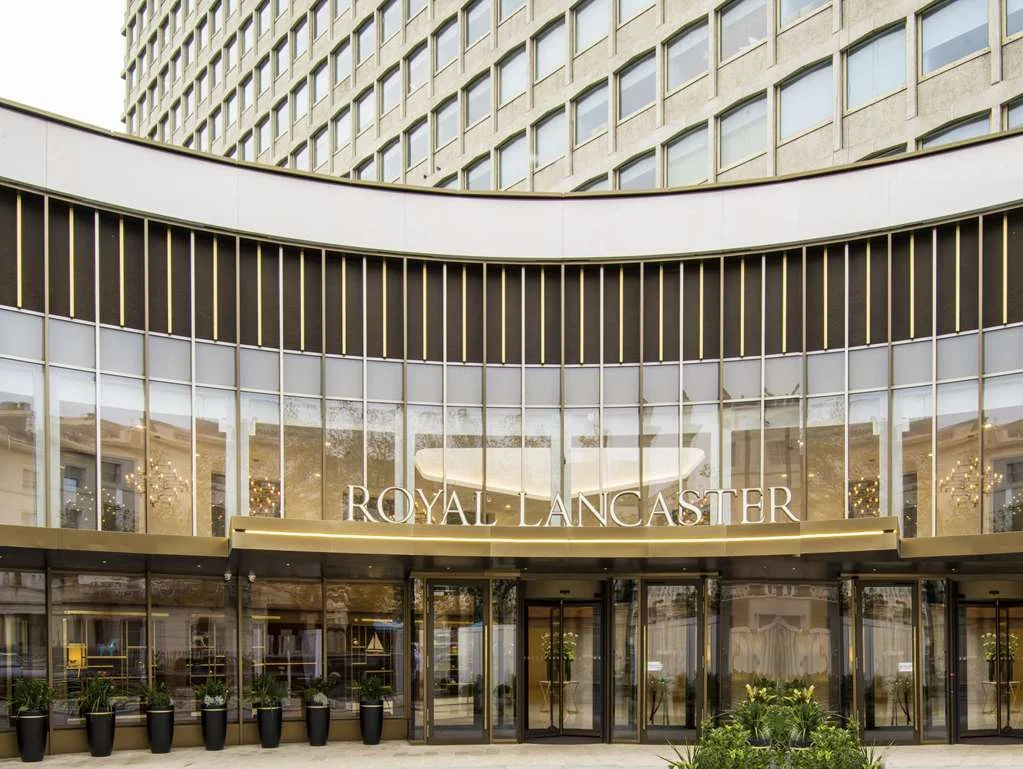
Royal Lancaster London
When you book Royal Lancaster London in England through our Preferred Platinum partnership, your stay includes daily breakfast for two, a $100 hotel credit per stay and a welcome amenity. You also receive a room upgrade when available. No premium credit card or membership needed: request a quote and our advisor books it at the same rate as booking direct.
Exclusive Booking Perks
These perks are included with your stay at the same rate as booking direct with the hotel.
- Breakfast for Two Daily
- $100 Hotel Credit per Stay (to be used on services such as spa, dining, or selected amenities valued at $100 or more)
- Hotel Welcome Amenity
- Room Upgrade (subject to availability)
- Priority Check-in and Check-out (subject to availability)
Guest feedback
10.0/10 from 7,557 guest reviews
By category
Guests liked
- Exceptional service
- Clean and comfortable rooms
Points to consider
- Limited gym facilities
- Breakfast menu could be larger
Location
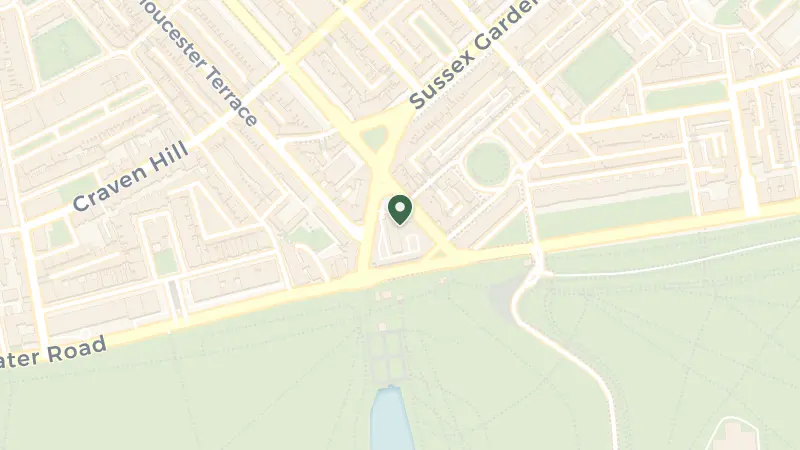
Royal Lancaster London occupies a commanding position at Lancaster Gate, where Paddington meets Hyde Park's northern edge. The Bayswater Road hum fades the moment you cross into the park's greenery: 350 acres of open lawns, serpentine paths, and the glint of the Serpentine's water stretching toward Kensington. Paddington itself carries the weight of Victorian ambition, Brunel's station arches still standing since 1847, now surrounded by the gloss of Paddington Waterside's canal-side regeneration. Maida Vale's stucco terraces climb westward, Westbourne's villadom sprawls quietly beyond.
The neighbourhood wears its history in layers. St Mary's Hospital anchors the local grid, its redbrick solidity a reminder of civic purpose. The former Paddington Green Police Station sits nearby, its high-security past now part of the area's evolving narrative. This is central London in the practical sense: close enough to Mayfair's galleries and Marylebone's high street to walk, far enough to feel the breathing room of the park.
Heathrow lies twenty kilometres west via the Heathrow Express from Paddington station, a fifteen-minute rail link. London City Airport sits sixteen kilometres east for European connections. The Tube lines converge here with efficient frequency, though the park itself remains the most persuasive reason to step outside.
Three Michelin three-starred restaurants anchor dining within two kilometres of the property. Alain Ducasse at The Dorchester, 1.7 kilometres southeast, delivers French haute cuisine with the kind of service precision that defines the form. The Ledbury, 1.8 kilometres northwest in Notting Hill, sources from Brett Graham's own farm and maintains an in-house mushroom cabinet; the attention to ingredient provenance shapes every plate. Hélène Darroze at The Connaught, also 1.8 kilometres away, softens its wood-panelled formality with pastel tones and a menu that balances Landaise roots with contemporary technique. Book a table at any of these well ahead; their reputation extends far beyond London.
Portobello Market sprawls 2.1 kilometres west along Portobello Road, its antiques stalls and vintage clothing racks thickest on Saturdays. Notting Hill Farmers' Market and Marylebone Farmers' Market, both organic and within two kilometres, offer weekend produce runs. The Palace of Westminster and Westminster Abbey sit four kilometres south, their Gothic Revival spires rising above the Thames. Kew's Royal Botanic Gardens, nine kilometres southwest, house glasshouse collections and 18th-century landscape design. The Tower of London, seven kilometres east, anchors the city's medieval core with its Norman keep and crown jewels.
Winter light in London arrives late and departs early, the low sun casting long shadows across Hyde Park's bare trees. January and February hover around seven degrees, the damp cold sharper than the numbers suggest. Layers are essential; the air bites when you pause.
Spring unfurls slowly from March onward, temperatures climbing into the mid-teens by May. The parks green up in waves, crocuses first, then cherry blossoms along the Serpentine's banks. Rain remains frequent, but the city shakes off its grey mood. This is when Londoners reclaim outdoor tables and the gallery calendar intensifies.
Summer peaks gently, July and August reaching the low twenties, occasionally warmer. The city empties slightly as locals decamp; theatre and restaurant availability improves. September holds onto warmth, the light turning golden over the Thames. October's chill returns, November rain sets in, and December's short days justify the proliferation of fairy lights and roasted chestnuts near the markets.
Frequently Asked Questions

Quotes are personally reviewed by Natasha Hardy, founder of The Uncommon Traveller
5.0 rating · 8 Google reviewsThere is no fee or markup. The hotel pays our commission.
Request a Quote 54 Bib Gourmand