Sanctuary Cap Cana, a Luxury Collection Resort, Dominican Republic, Adult All-Inclusive
When you book Sanctuary Cap Cana, a Luxury Collection Resort, Dominican Republic, Adult All-Inclusive in Punta Cana, Dominican Republic, through our Marriott STARS partnership, your stay includes daily breakfast for two and a $100 USD hotel credit once per stay. You also receive a room upgrade when available. No premium credit card or membership needed: request a quote and our advisor books it at the same rate as booking direct.
Special Offer
One complimentary room for every 15 paid rooms - Semi-private check-in and welcome cocktail upon arrival + One-hour cocktail reception with complimentary open bar and a selection of cold hors d'oeuvres + Group rates applicable up to three nights before and three nights after the event, subject to availability + 20% spa discount (restrictions may apply) + (1) 50-minute relaxing massage + 30% discount on purchases at Sanctuary Town
Exclusive Booking Perks
These perks are included with your stay at the same rate as booking direct with the hotel.
- Personalized and customized amenity
- Complimentary breakfast daily for two guests per room
- All STARS hotels offer a hotel credit valued at $100 USD (once per stay)
- Early check-in and late check-out (when available)
- Complimentary upgrade (if available at check-in)
Location
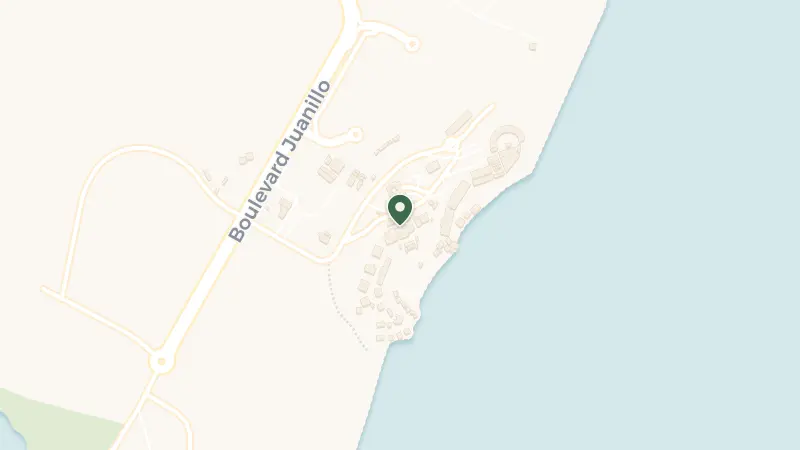
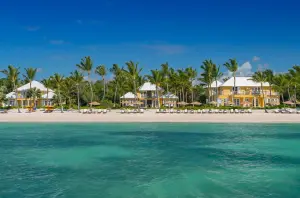
The Luxury Collection assembles independent properties distinguished by their sense of place, and this Cap Cana estate embodies the portfolio's commitment to character-driven hospitality. The resort occupies a privileged stretch of coastline where the Caribbean Sea meets the Atlantic, a geographical convergence that shapes both the palette of the water and the rhythm of the waves.
Cap Cana itself was conceived as a master-planned enclave anchoring the eastern tip of the Dominican Republic, a deliberate counterpoint to the broader resort corridor of Punta Cana. The neighbourhood unfolds around championship golf courses, a working marina, and protected stretches of sand that remain remarkably uncrowded. Playa Juanillo curves just beyond the property gates, its bone-white sand meeting water that shifts from turquoise to sapphire depending on the light. The Punta Espada Golf Course Driving Range lies just over a kilometre away, cut into bluffs that overlook the sea.
Punta Cana International Airport sits eleven kilometres west, a twenty-minute transfer that traces the coast road through stands of coconut palms and occasional glimpses of the open ocean. The airport handles the majority of international arrivals to the Dominican Republic, making this corner of the Caribbean more accessible than its seclusion might suggest.
The Marina Cap Cana, less than four kilometres from the resort, anchors much of the area's marine life. Charter boats depart for deep-sea fishing in waters where marlin and dorado run year-round, and the docks themselves make for an evening stroll when the fleet returns at sunset. Corales Golf Course, designed by Tom Fazio and located twelve kilometres north, threads fairways along dramatic limestone cliffs, offering what many consider the most visually arresting holes in the Caribbean. Book a morning tee time to avoid the afternoon heat.
Parque Nacional del Este, roughly forty kilometres south near Bayahibe, protects the largest tract of dry subtropical forest on the island, along with offshore reefs and the uninhabited Isla Saona. Day trips by catamaran reveal mangrove channels and underwater ecosystems that have shaped Dominican culture for centuries. Closer at hand, Monumento Natural Hoyo Claro, nine kilometres inland, is a freshwater cenote ringed by jungle vegetation, its crystalline pool fed by underground limestone aquifers. The stillness here contrasts sharply with the coastal energy, offering a different register of the island's natural variety.
January through March delivers the most temperate conditions, with daytime highs hovering just above twenty-six degrees and trade winds that keep the humidity in check. The light during these months is sharp and clear, ideal for time on the water or the golf course.
April through August sees temperatures climb steadily, peaking in August when the thermometer regularly touches thirty degrees. The air grows heavier, and afternoon thunderstorms become more frequent, brief downpours that clear as quickly as they arrive. September and October bring the heaviest rains and the tail end of hurricane season, though direct strikes remain relatively rare in this southeastern pocket of the island.
November and December mark the transition back to drier weather, with temperatures easing into the upper twenties and the island's high season beginning to gather momentum. The ocean remains warm year-round, rarely dipping below twenty-three degrees even in the coolest months.
Frequently Asked Questions

Quotes are personally reviewed by Natasha Hardy, founder of The Uncommon Traveller
5.0 rating · 8 Google reviewsThere is no fee or markup. The hotel pays our commission.
Request a Quote