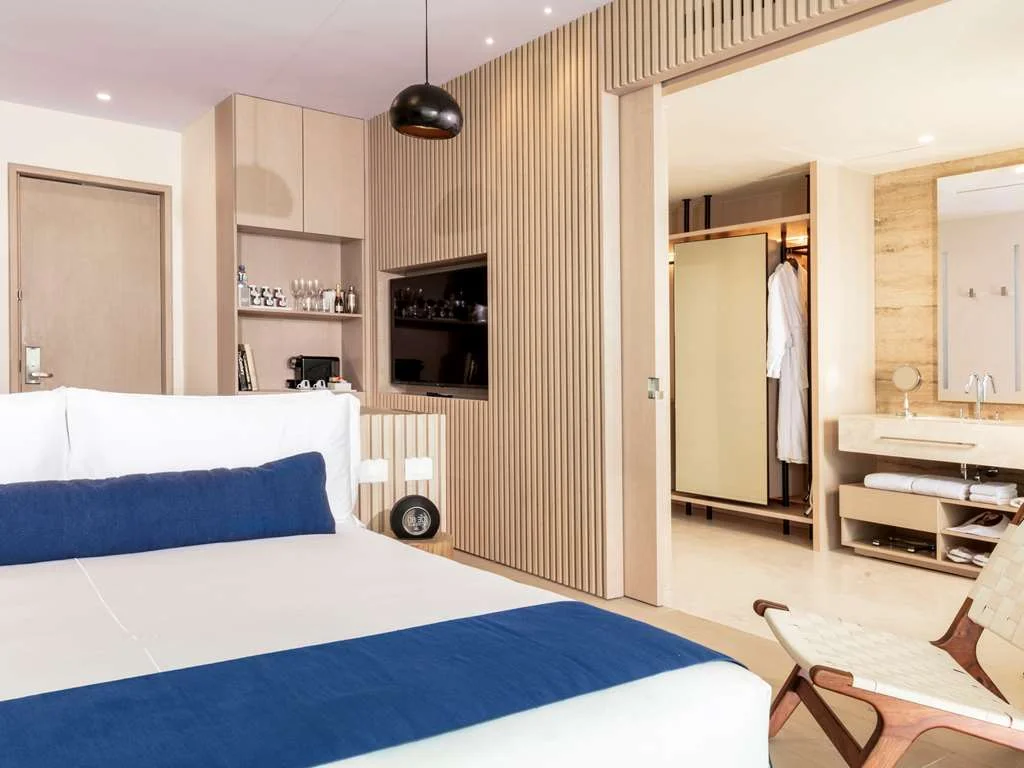
SLS Cancun
When you book SLS Cancun in Mexico through our Accor Hera partnership, your stay includes daily breakfast for two and a $100 USD hotel credit. You also receive a room upgrade, early check-in and late check-out when available. No premium credit card or membership needed: request a quote and our advisor books it at the same rate as booking direct.
Exclusive Booking Perks
These perks are included with your stay at the same rate as booking direct with the hotel.
- Daily complimentary breakfast for 2, per room
- $100 USD credit to be spent on property (conditions defined at check-in)
- Early check-in & late check-out (upon availability)
- Upgrade at time of check-in (upon availability)
Location
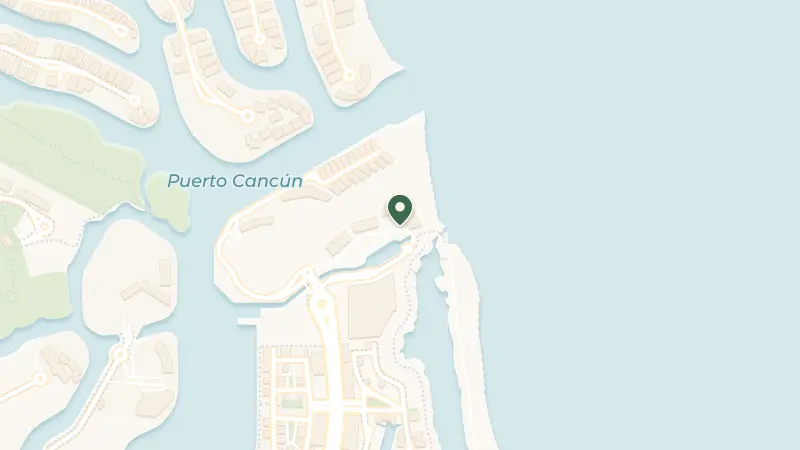
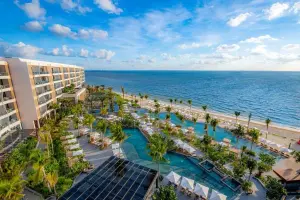
The Caribbean unfurls in shades of turquoise and jade along Cancún's Hotel Zone, a crescent of white sand edged by the Nichupté Lagoon on one side and the open sea on the other. Built from scratch in 1970 as a planned resort destination, this city transformed a fishing village into the Yucatán Peninsula's most dynamic coastal hub. The rhythm here is unapologetically leisure-oriented: days measured in beach hours, evenings lit by oceanfront dining, the salt air carrying cumbia beats and grilling seafood. Beyond the shoreline, traces of deeper history surface at the Mayan Museum of Cancún, opened in 2012 to house pre-Columbian artefacts pulled from the region's cenotes and temples.
The Hotel Zone itself operates as a self-contained ribbon between lagoon and sea, accessible by main boulevard and lined with properties facing either calm or crashing waters. Cancun Underwater Museum, installed in 2010, anchors an artificial reef just offshore, where hundreds of submerged sculptures draw snorkellers and divers into currents populated by barracuda and rays. The atmosphere shifts after dark: nightclubs pulse until dawn, while quieter stretches offer moon-washed walks along uninterrupted beach.
Cancún International Airport sits sixteen kilometres west, connected by taxi or pre-arranged transfer. The drive into the Hotel Zone skirts mangrove wetlands before delivering travelers to the lagoon's edge, where the air thickens with humidity and anticipation.
The underwater museum commands attention for those willing to submerge. Snorkelling here means gliding over concrete figures colonized by coral, an eerie congregation of faces and limbs in ten metres of water. Diving excursions extend to nearby reefs where visibility pushes thirty metres on calm days. On land, the Mayan Museum of Cancún holds jade masks, ceramic vessels, and skeletal remains from Quintana Roo's cenote burials, offering context to the temple ruins scattered across the peninsula. Vendors along the lagoon-side boardwalk sell ceviche tostadas and cold Negra Modelo, best consumed at plastic tables under thatched palapas while pelicans work the shallows.
Four Michelin-recognized restaurants operate within fifty kilometres, though none currently hold stars. The focus here tilts toward fresh catch: whole grilled robalo, aguachile de camarón spiked with chilli and lime, octopus tenderized and charred. Book a table at any beachfront spot serving pescado a la Veracruzana for the classic tomato, caper, and olive preparation. Day trips reach cenotes fifteen kilometres inland, where limestone sinkholes open into crystal-fed pools fringed by jungle canopy.
December through April delivers the driest months, when temperatures hold steady in the mid-twenties and humidity drops just enough to make midday beach lounging bearable. The light turns sharp and glassy, the sea flattening to mirror the sky. This is peak season, when the Hotel Zone fills with North American snowbirds chasing warmth.
May through November brings rain in sudden afternoon downpours that drench the streets and vanish within an hour. Temperatures climb past thirty degrees, the air heavy enough to cling. Hurricane season runs June through November, with September and October seeing the most tropical storm activity. The crowds thin, prices soften, and the beaches stretch emptier between squalls.
Winter holds the advantage: consistent sun, calmer seas for diving, and evenings cool enough for outdoor dining without drenching in sweat. The trade-off is density, as resorts book solid and restaurant tables require advance planning.
Frequently Asked Questions

Quotes are personally reviewed by Natasha Hardy, founder of The Uncommon Traveller
5.0 rating · 8 Google reviewsThere is no fee or markup. The hotel pays our commission.
Request a Quote 1 Bib Gourmand