Sofitel Montevideo Casino Carrasco And Spa
Montevideo Uruguay South America
Guest rating 9.0/10 (482 reviews)When you book Sofitel Montevideo Casino Carrasco And Spa in Uruguay through our Accor Hera partnership, your stay includes daily breakfast for two and a hotel credit of USD 100. You also receive a room upgrade, early check-in and late check-out when available. You continue earning ALL Accor points and elite night credits. No premium credit card or membership needed: request a quote and our advisor books it at the same rate as booking direct.
Exclusive Booking Perks
These perks are included with your stay at the same rate as booking direct with the hotel.
- Daily complimentary breakfast for 2, per room
- VIP Welcome
- USD 100 credit to be spent on property (conditions defined at check-in)
- Early check-in & late check-out (upon availability)
- Upgrade at time of check-in (upon availability)
Guest feedback
9.0/10 from 482 guest reviews
By category
Guests liked
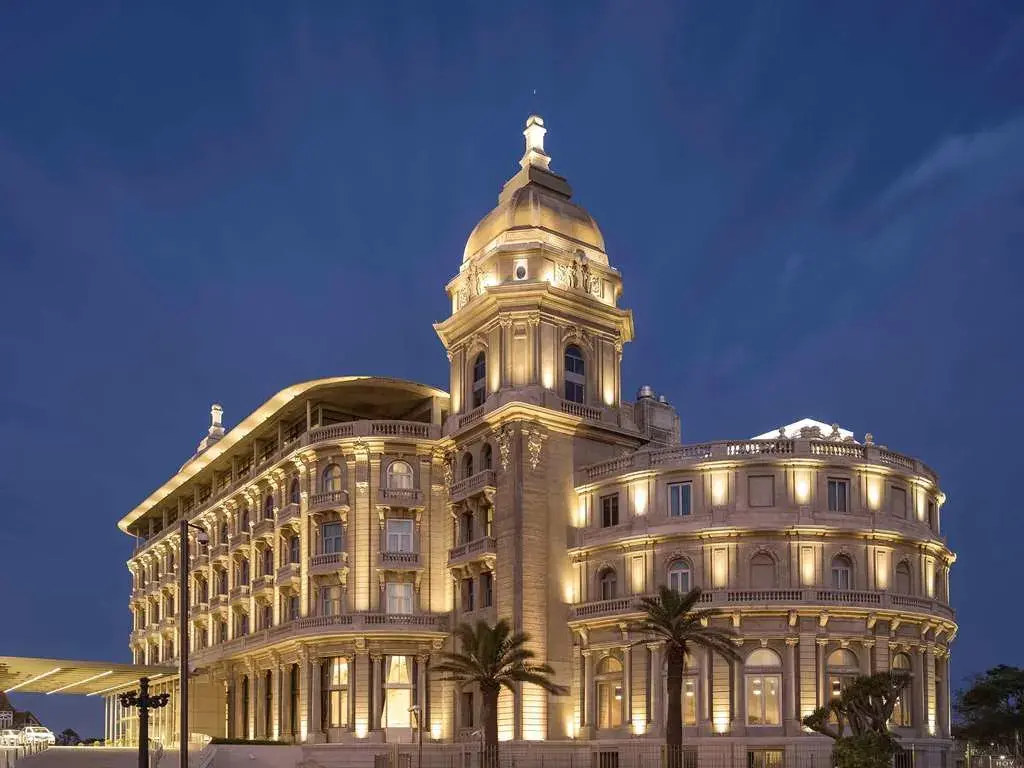
- Beautiful architecture
- Good breakfast
Points to consider
- Room issues
- Service inconsistency
Location
Sofitel brings its Parisian art de vivre to the southern reaches of the Atlantic, pairing French refinement with Uruguay's understated cosmopolitan ease. The brand's signature attention to sleep, dining, and design-forward interiors resonates particularly well in this city, where quality of life has consistently topped Latin American rankings since 2005.
Carrasco unfolds along Montevideo's southeastern coast, a district that began as a seaside resort and evolved into the capital's most exclusive address. Wide avenues lined with jacarandas give way to the Río de la Plata, whose estuary stretches so vast it reads as open ocean. The neighbourhood's architecture tells its own story: art deco villas stand beside contemporary glass, neoclassical mansions neighbour midcentury modernism. Portuguese forces first staked a garrison here in 1723, but it was Spanish soldier Bruno Mauricio de Zabala who secured the site and founded Montevideo proper in December 1726. Today the capital anchors Mercosur and ALADI, South America's leading trade blocs, a quiet diplomatic weight that lends the city an air of measured importance.
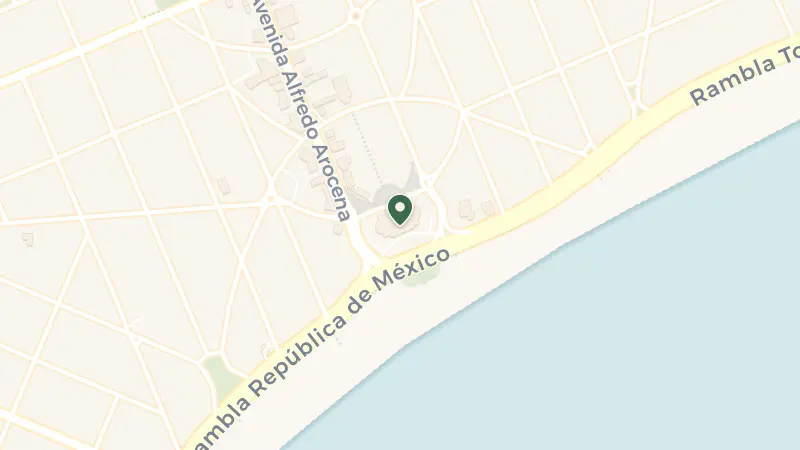
Carrasco General Cesáreo L. Berisso International Airport lies seven kilometres east, linking the capital to regional and long-haul routes. The property sits just over a kilometre from Playa Carrasco's long sweep of sand, where the city meets the estuary.
Carrasco's beaches define the rhythm here. Playa Carrasco stretches wide and uncrowded just over a kilometre from the property, its sand fine and pale against the blue-grey expanse of the Río de la Plata. Playa de la mulata and Playa Verde lie slightly farther east, each drawing a local crowd on summer weekends. The estuary's horizon blurs sea and sky, and the light at dusk turns the water bronze. Book a table at one of the waterfront parrillas along Rambla República de México to taste Uruguay's legendary beef, fire-grilled over wood and served with chimichurri and morrón asado.
Beyond the coast, the Canelones wine region begins less than twenty kilometres inland. Bodegas Carrau and Bodega Bouza both offer tastings of tannat, Uruguay's signature red, alongside tours of their vineyards. For a deeper cultural detour, drive thirty-one kilometres northeast to the Church of Atlántida, engineer Eladio Dieste's 2021-inscribed UNESCO site. Its undulating brick vaults and soaring belfry reinterpret paleo-Christian forms with startling structural invention, a masterwork of Uruguayan modernism.
January and February bring peak summer heat, highs pushing twenty-seven degrees, the city emptying toward coastal retreats while the estuary glitters under relentless sun. March and April cool gently, the light softening, jacarandas shedding purple blooms across pavements.
Winter settles in by June and July, temperatures dipping to eight degrees at night, the air crisp and bracing. The city takes on a quieter rhythm, cafés filling with locals lingering over medialunas and cortados. Rain arrives sporadically year-round, but rarely disrupts plans for long.
September through November ushers in spring, the city greening, temperatures climbing back toward the low twenties. October through March offers the most reliable warmth for beach days, though the shoulder seasons carry their own appeal: fewer visitors, gentler temperatures, and a city that feels entirely its own.
Frequently Asked Questions

Quotes are personally reviewed by Natasha Hardy, founder of The Uncommon Traveller
5.0 rating · 8 Google reviewsThere is no fee or markup. The hotel pays our commission.
Request a Quote