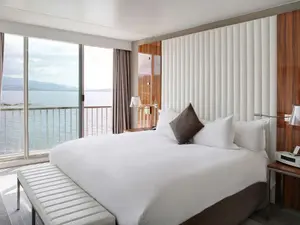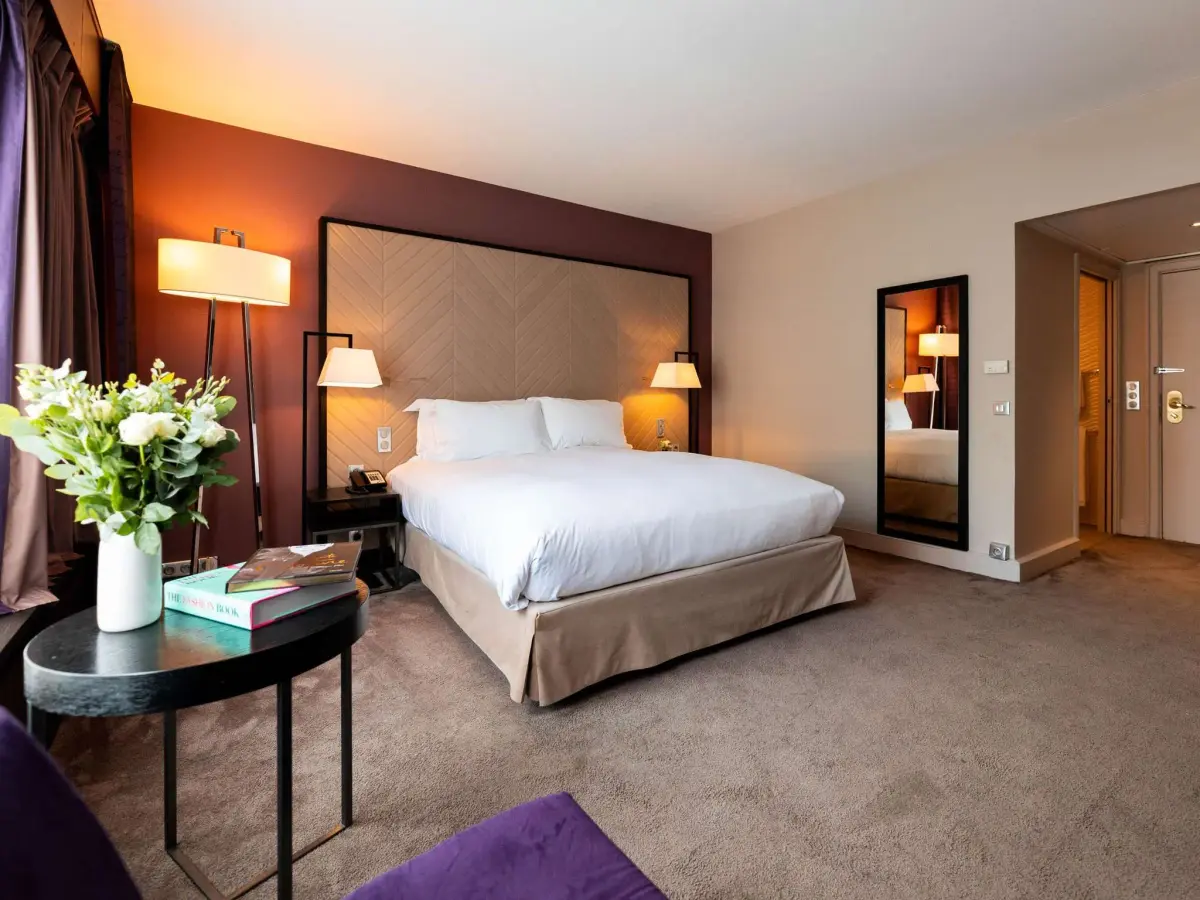
Sofitel Strasbourg Grande Ile
When you book Sofitel Strasbourg Grande Ile in France through our Accor Hera partnership, your stay includes daily breakfast for two and a hotel credit of USD 100. You also receive a room upgrade, early check-in and late check-out when available. You continue earning ALL Accor points and elite night credits. No premium credit card or membership needed: request a quote and our advisor books it at the same rate as booking direct.
Exclusive Booking Perks
These perks are included with your stay at the same rate as booking direct with the hotel.
- Daily complimentary breakfast for 2, per room
- VIP Welcome
- USD 100 credit to be spent on property (conditions defined at check-in)
- Early check-in & late check-out (upon availability)
- Upgrade at time of check-in (upon availability)
Guest feedback
8.4/10 from 570 guest reviews
By category
Guests liked
- Good location
- Attentive service
- Friendly staff
Points to consider
- Cleanliness issues
- Old room conditions
- High prices for value
Location
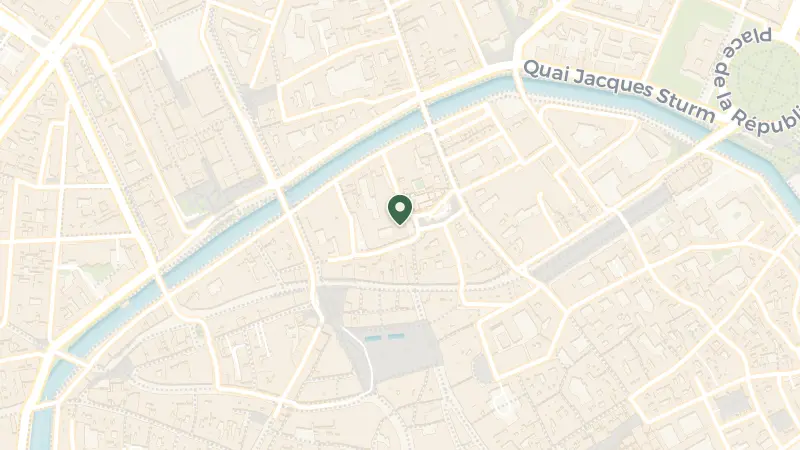
Sofitel brings its signature blend of French elegance and local sensibility to a city where two cultures have shaped every cobblestone and half-timbered façade. Strasbourg sits at the confluence of French refinement and Alsatian warmth, a bilingual border city where choucroute garnie shares menu space with coq au vin and the Rhine flows just beyond the eastern edge of town. The historic Grande-Île, inscribed as a UNESCO World Heritage site in 1988, forms the heart of the old quarter, its medieval layout radiating from the cathedral's soaring spire.
The property anchors guests in the Centre district, within easy reach of the tangle of canals and timber-framed houses that define Petite France, the picturesque neighbourhood whose reflections shimmer in the Ill River. The Gothic bulk of Strasbourg Cathedral rises just minutes away, its astronomical clock and red sandstone façade drawing crowds at noon. Palais Rohan, home to three museums including the Musée des Beaux-Arts and the Musée des Arts décoratifs, sits along the waterfront, its eighteenth-century grandeur a counterpoint to the medieval charm elsewhere.
Strasbourg Airport lies ten kilometres south, connected by frequent train and tram links that bring arrivals into the city centre in under fifteen minutes. The European Quarter, where the Parliament's glass-and-steel arc sits beside older institutional buildings, stretches northeast, a reminder of the city's role as a continental political hub.
The property's dining showcases the Sofitel dedication to French culinary craft, while the wider city rewards those who venture out for Alsatian specialties and Michelin-recognized tables. Book a table at La Fourchette des Ducs, twenty-three kilometres north in Obernai, where Nicolas Stamm-Corby's two-starred kitchen balances classical technique with inventive flourishes across seasonal menus. Closer to the German frontier, Restaurant Bareiss and Schwarzwaldstube, both holding three stars, sit forty-three and forty-five kilometres east in the Black Forest, offering classic French cooking and creative modern plates respectively within luxurious hotel settings.
Walk the cobbled lanes of Petite France to reach Musée alsacien, founded in 1907 and housed in a trio of sixteenth-century buildings, its collections tracing Alsatian folk life through ceramics, costumes, and tools. The Musée de l'Œuvre Notre-Dame, established in 1931, holds medieval sculpture and stained glass removed from the cathedral for preservation. For provisions and atmosphere, the Marché hebdomadaire de Schiltigheim sets up just over two kilometres north each week, its stalls piled with farmhouse munster, bretzel, and tarte flambée fixings. Beyond the city, the vineyards of the Route des Vins d'Alsace begin seventeen kilometres southwest, where family domaines like Alexandre Arbogast pour riesling and gewürztraminer in centuries-old cellars.
Winter wraps Strasbourg in cold mist, temperatures hovering around freezing, the Christmas markets filling Place Broglie with mulled wine smoke and the scent of roasted chestnuts. Snow dusts the cathedral's spire, and the light turns pewter by mid-afternoon. Spring arrives slowly, magnolia blooming in the Orangerie park by April, sidewalk cafés reopening as temperatures climb into the mid-teens.
Summer brings warmth without the crush of southern crowds, highs reaching the mid-twenties, long evenings stretching until nearly ten o'clock. The canals glitter, terraces fill, and the city hums with a relaxed continental rhythm. Autumn is the season to visit, September through October offering mild days, golden light slanting through narrow streets, and the grape harvest beginning in the surrounding hills.
Frequently Asked Questions

Quotes are personally reviewed by Natasha Hardy, founder of The Uncommon Traveller
5.0 rating · 8 Google reviewsThere is no fee or markup. The hotel pays our commission.
Request a Quote 17 Bib Gourmand