The Retreat Costa Rica
When you book The Retreat Costa Rica in Provincia de Alajuela, Costa Rica, through our Virtuoso partnership, your stay includes daily breakfast for up to two guests. Your stay also includes a $100 USD resort or hotel credit. You also receive a room upgrade, early check-in and late check-out when available. No premium credit card or membership needed: request a quote and our advisor books it at the same rate as booking direct.
Exclusive Booking Perks
These perks are included with your stay at the same rate as booking direct with the hotel.
- Upgrade at time of booking, subject to availability
- Daily breakfast for up to two guests per bedroom, served in the restaurant
- $100 USD equivalent Resort or Hotel credit
- Welcome amenity in-room on arrival 20% discount offered for any tour or excursion
- Bookings in our Luxury Lofts will also receive complimentary roundtrip private ...
- Early Check-In / Late Check-Out, subject to availability
Guest feedback
9.8/10 from 93 guest reviews
Read what guests commentedBy category
Guests liked
- Outstanding food
- Kind and thoughtful staff
- Beautiful location for rejuvenation
Location
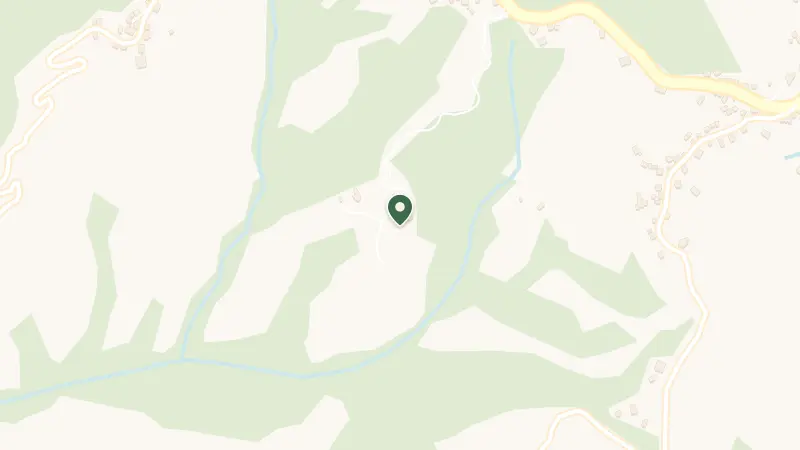
The property sits in the highland countryside of Alajuela province, where coffee plantations meet forest reserves and the air carries the mineral scent of volcanic soil. The city of Alajuela, founded in 1782 and perched at nearly a thousand metres elevation, sprawls below with its colonial grid and the baroque domes of Our Lady of the Pillar Cathedral marking the historic centre. This is Costa Rica's coffee heartland, a landscape of terraced fincas and roadside sodas where the rhythm slows from coastal bustle to agricultural routine.
Cuajiniquil, the immediate surroundings, takes its name from the Inga flexuosa tree, a leguminous species whose twisted pods dangle like green fingers through the canopy. The terrain here rolls in shades of jade and emerald, cloud forest spilling down volcanic slopes, howler monkeys calling at dawn across valleys that vanish into morning mist.
Juan Santamaría International Airport lies twenty-six kilometres east, a straightforward drive through coffee country. Tobías Bolaños International Airport sits thirty-three kilometres away, serving regional flights, while La Fortuna Arenal Airport, fifty-eight kilometres north, connects to the Arenal volcano region.
The surrounding highlands offer immediacy to Costa Rica's ecological wealth. Zona Protectora Cerro El Chompipe, less than six kilometres away, protects montane forest where trails wind through bromeliads and orchids clinging to moss-draped branches. Reserva Biologica Madre Verde, nine kilometres distant, shelters similar habitat with morning birding walks that often yield resplendent quetzals and emerald toucanets. Carara National Park, twenty-four kilometres south at the transition between dry and rainforest, holds one of the country's healthiest scarlet macaw populations, their crimson wings slashing across the canopy at dusk.
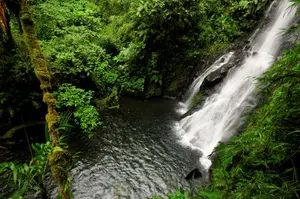
Local markets ground the experience in agricultural rhythm. Mercado Municipal de Atenas, seven kilometres away, stacks pyramids of maracuyá and cas fruit alongside bundles of culantro. The waterfall at Piedras Negras Catarata, thirteen kilometres out, drops into a swimming hole where the water runs cold and clear over black volcanic rock. Book a guided walk at dawn when the forest wakes and the light slants gold through the understory.
The dry season, December through April, brings crystalline skies and temperatures climbing into the high twenties, the landscape turning tawny as grass bleaches and dust coats roadside leaves. March and April see the hottest days, the sun fierce at midday, though elevation keeps evenings cool enough for long sleeves.
May marks the transition, the first rains washing the air clean and turning hillsides vivid green overnight. June through November delivers the wet season's daily afternoon downpours, clouds rolling up valleys with theatrical speed, the smell of wet earth rising as rain hammers tin roofs.
The rainy months transform the countryside, waterfalls swelling to thunder, forest trails squelching underfoot, but mornings often break clear and blue before clouds build. February offers the driest conditions, while July and August see a brief veranillo de San Juan, a mid-summer dry spell when rain pauses for a week or two.
Frequently Asked Questions

Quotes are personally reviewed by Natasha Hardy, founder of The Uncommon Traveller
5.0 rating · 8 Google reviewsThere is no fee or markup. The hotel pays our commission.
Request a Quote