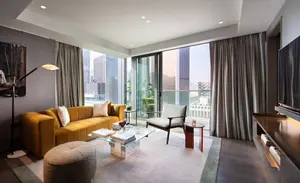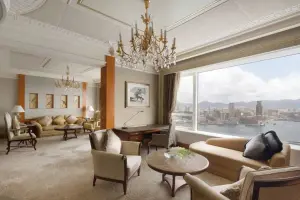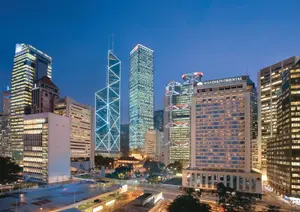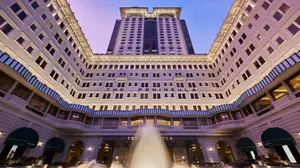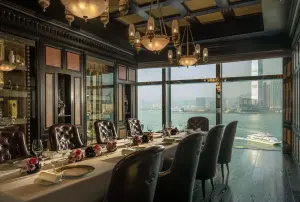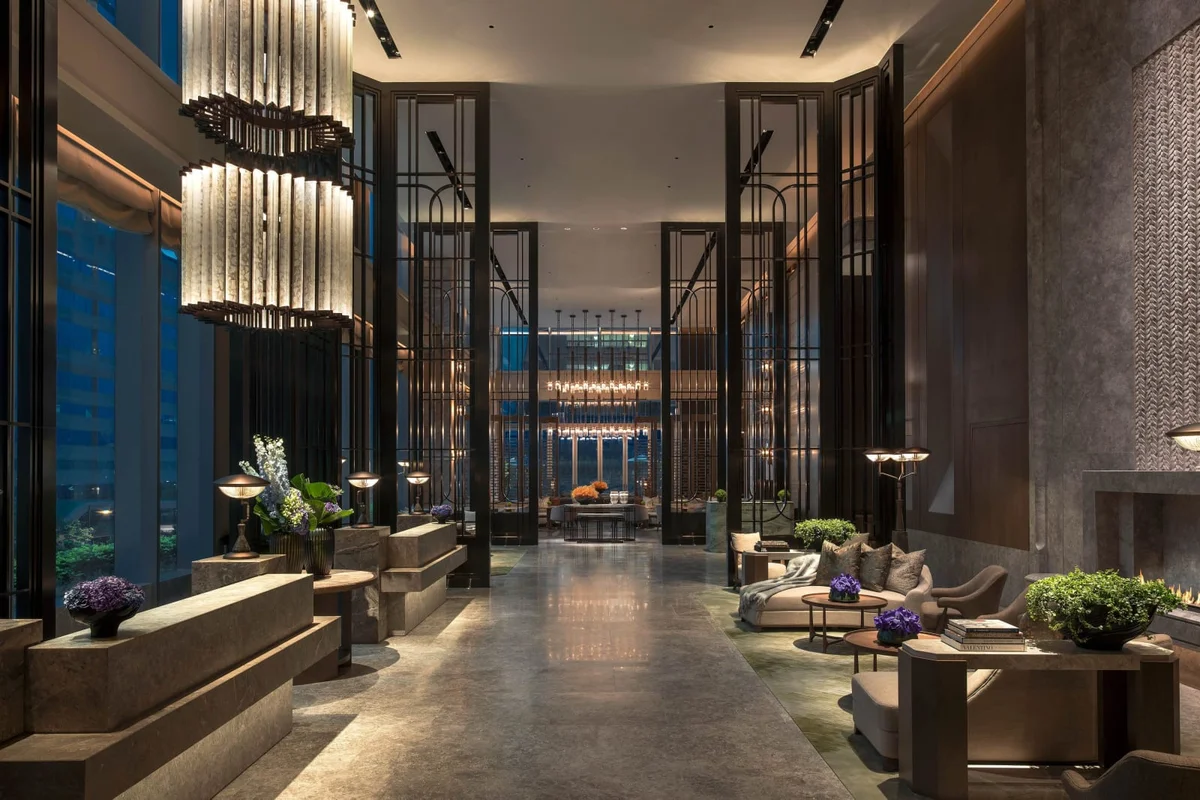
The St. Regis Hong Kong
When you book The St. Regis Hong Kong through our Marriott STARS partnership, your stay includes daily breakfast for two and a $100 USD hotel credit once per stay. You also receive a room upgrade, early check-in and late check-out when available. You continue earning Marriott Bonvoy points and elite night credits. No premium credit card or membership needed: request a quote and our advisor books it at the same rate as booking direct.
Exclusive Booking Perks
These perks are included with your stay at the same rate as booking direct with the hotel.
- Personalized and customized amenity
- Complimentary breakfast daily for two guests per room
- All STARS hotels offer a hotel credit valued at $100 USD (once per stay)
- Early check-in and late check-out (when available)
- Complimentary upgrade (if available at check-in)
Location
St. Regis has carried its signature refinement from the original New York property since 1904, a heritage built on butler service, formality, and cultural fluency. Each hotel in the portfolio threads local heritage into its interiors while maintaining the brand's polished, unhurried atmosphere.
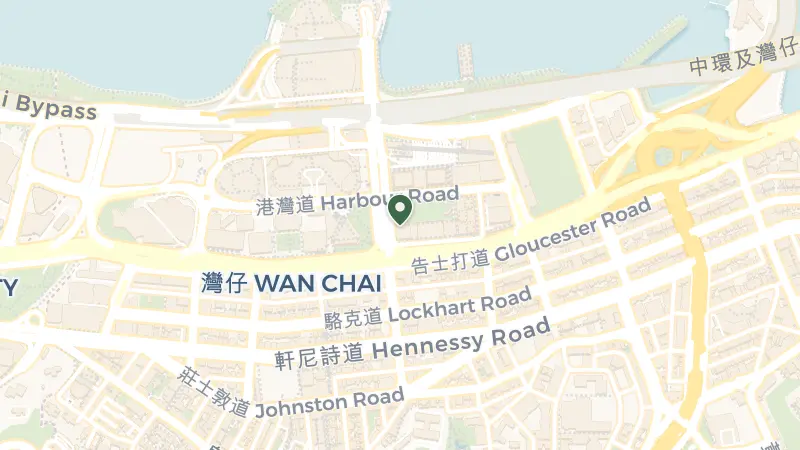
Wan Chai District sits on Hong Kong Island's north-central shore, hemmed by the harbour and the island's green ridgeline. The neighbourhood hums with trams, construction, and the clatter of street-side wet markets, a vertical city where glass towers rise above century-old temples and dai pai dong food stalls. This is one of Hong Kong's most affluent and educated pockets, yet it retains a gritty lived-in character: the smell of incense from Pak Tai Temple mingles with diesel fumes and roasting char siu. The district's density is part of its pull. Within a twenty-minute walk, you can move from high-end galleries to the open-air theatrics of villain hitting at Bowrington Bridge, a folk ritual where practitioners beat paper effigies to expel bad luck.
Hong Kong International Airport lies 27 kilometres west across Lantau Island, connected by the Airport Express rail service in under half an hour. Macau sits an hour away by ferry, though the city's pull rarely requires leaving the island.
Rùn, the hotel's two-Michelin-starred Cantonese restaurant, centres on seasonal ingredients and traditional technique refined through modern plating. Chef Hung's background in five-star kitchens shows in the precision: each dish honours Cantonese culinary logic while allowing the ingredient to speak. Book a table at Forum, 800 metres east, where the late Yeung Koon-yat's iconic Ah Yat braised abalone remains the draw at this three-starred upmarket institution. For Italian refinement, 8 1/2 Otto e Mezzo Bombana sits 1.7 kilometres south, its three stars built on Umberto Bombana's classical Italian repertoire and first-class sourcing: Aveyron lamb, Hokkaido scallops, Australian Wagyu.
Wan Chai's cultural texture reveals itself on foot. The Bowrington Bridge villain hitting ritual unfolds 700 metres southwest, a folk practice where clients pay to have paper effigues struck to banish misfortune. Wong Nai Chung Market, 1.7 kilometres inland, offers produce, live seafood, and the everyday cadence of Cantonese negotiation. Lugard Falls, three kilometres south on Hong Kong Island's forested spine, marks the start of several trails threading through Victoria Peak's greenery, a quick ascent from the harbour's relentless urbanism.
Winter, from December through February, brings sharp mornings and clear skies, temperatures hovering in the mid-teens to low twenties. The light is brittle, the harbour visible for kilometres, and the city's outdoor rhythms shift to jackets and brisk walks along the waterfront.
Spring and autumn, particularly March, April, October, and November, offer the most temperate conditions: warm days without the summer humidity, evening breezes off the harbour, and crowds thinned from the peak tourist months. These seasons are ideal for walking the island's trails and lingering over outdoor meals.
Summer, May through September, is thick and wet. Humidity clings, sudden downpours flood the streets, and the air carries the weight of tropical heat. The city slows fractionally, air conditioning becomes refuge, and indoor dining and gallery visits take precedence over exertion.
Frequently Asked Questions

Quotes are personally reviewed by Natasha Hardy, founder of The Uncommon Traveller
5.0 rating · 8 Google reviewsThere is no fee or markup. The hotel pays our commission.
Request a Quote 90 Bib Gourmand