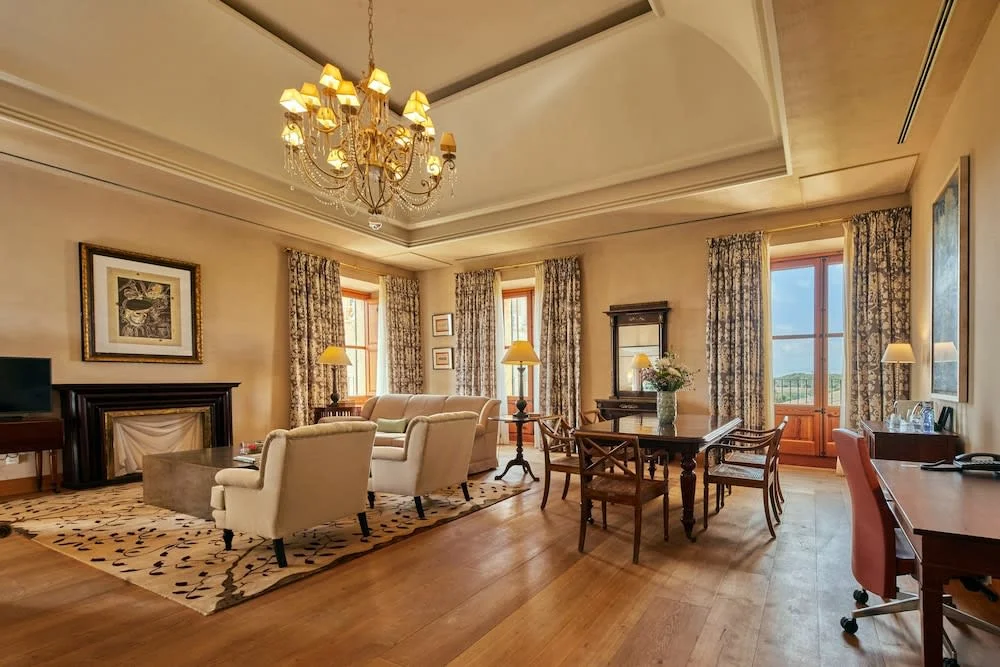
Zoetry Mallorca Wellness & Spa
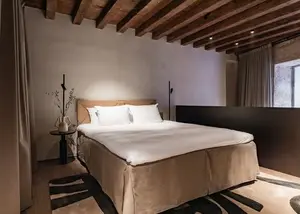
When you book Zoetry Mallorca Wellness & Spa in Spain through our Hyatt Privé partnership, your stay includes daily full breakfast for up to two guests, a property credit and a welcome amenity. You also receive a priority room upgrade, early check-in and late check-out when available. No premium credit card or membership needed: request a quote and our advisor books it at the same rate as booking direct.
Exclusive Booking Perks
These perks are included with your stay at the same rate as booking direct with the hotel.
- Welcome amenity provided to guests upon arrival.
- Daily complimentary full breakfast at a hotel restaurant for up to two guests.
- Property credit (value varies by property).
- Priority for room upgrade (response within 24 hours of booking, subject to forecasted occupancy).
- Early check-in/late check-out/connecting rooms (response within 24 hours of request, subject to forecasted occupancy).
Location
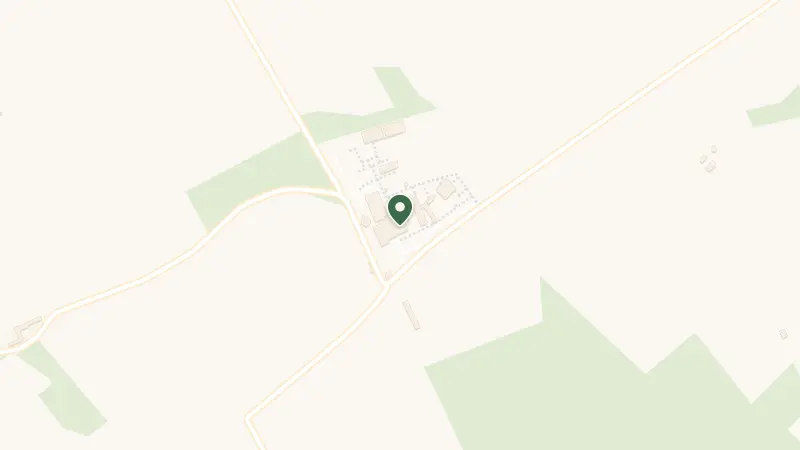
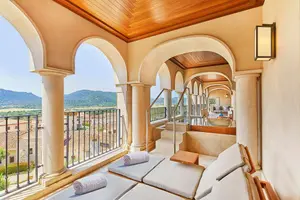
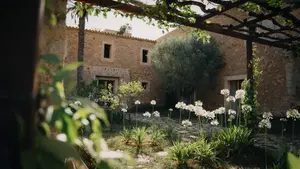
Zoetry Mallorca anchors the historic Sa Torre estate, a 14th-century agricultural compound complete with stone windmill and chapel set in the rural quiet of Badia Blava, southeast of Palma. The brand draws on centuries of Mediterranean calm, translating old-world stillness into wellness-focused hospitality. This is Mallorca's quieter side, where terraced hillsides slope toward the sea and the pace slows to the rhythm of vineyard rows and coastal paths.
The island itself holds Mediterranean crossroads status: Phoenician traders, Roman legions, Moorish caliphates, and Catalan kings all left their mark on the limestone architecture and layered cuisine. Palma, the capital 20 kilometres northwest, clusters around its Gothic cathedral and tangle of medieval alleys, but Badia Blava trades urban density for open sky and olive groves. The nearest beaches, Caló de ses Lleonardes and Cala Mosques, lie seven to eight kilometres south, their coves carved into pale cliffs.
Palma de Mallorca Airport sits 14 kilometres northwest, a brief transfer that shifts from tarmac to farmland within minutes. The island's popularity means frequent connections from across Europe, but this corner remains unhurried, closer in spirit to the Serra de Tramuntana foothills than the resort strips further east.
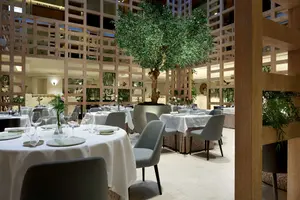
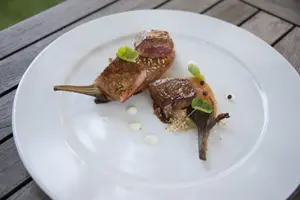
Chef Andreu Genestra's eponymous restaurant holds one Michelin star and occupies the estate's original stone walls, bringing creative Mallorcan technique to the property itself. His menu respects island agriculture while pushing past tradition; expect seasonal produce from nearby farms shaped into precise, modern compositions. For contrast, Zaranda in Palma's old quarter offers Fernando Pérez Arellano's equally creative vision within the Es Princep hotel, 19 kilometres northwest. DINS Santi Taura, also in Palma near the cathedral, translates everyday Mallorcan recipes into refined modern cuisine, another one-star kitchen worth the short drive. Book a table at Andreu Genestra for dinner under the estate's olive trees when weather permits.
Bodega Bordoy, just over a kilometre from the property, presses native Mallorcan varieties into small-batch wines that rarely leave the island. Golf de Son Gual, 14 kilometres north, cuts through Mediterranean scrubland with fairways framed by ancient carob trees. The Cultural Landscape of the Serra de Tramuntana, a UNESCO site 34 kilometres northwest, showcases terraced hillsides and dry-stone irrigation systems built over millennia, still cultivated by families who measure time in harvests. Mercat Municipal de Llevant in Palma sells island tomatoes, sobrassada, and ensaïmada pastries under iron-and-glass vaults erected in the early 20th century.
July and August deliver high summer heat, temperatures pushing past 28 degrees under relentless sun that bleaches the stone and stills the air by midday. The island empties of locals, fills with northern Europeans seeking guaranteed warmth. September softens the intensity; the light turns golden, the sea holds its warmth, and grape harvest begins in the inland vineyards.
Spring, particularly May and early June, coaxes wildflowers across the hillsides and keeps temperatures comfortable for walking the coastal paths or exploring Palma's walled lanes. Mild winters, rarely dipping below 10 degrees, bring occasional rain but also rare solitude; the island returns to itself, and restaurants serve Mallorcan families rather than tour groups.
October through April sees the most precipitation, though totals remain modest. Winter light slants low and clear, ideal for off-season vineyard visits and unhurried meals, when the Serra de Tramuntana's stone villages feel like stepping into another century entirely.
Frequently Asked Questions

Quotes are personally reviewed by Natasha Hardy, founder of The Uncommon Traveller
5.0 rating · 8 Google reviewsThere is no fee or markup. The hotel pays our commission.
Request a Quote 2 Bib Gourmand