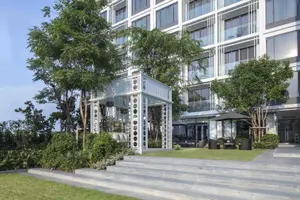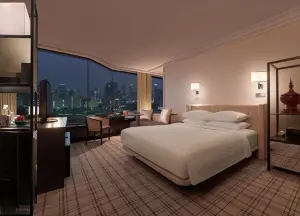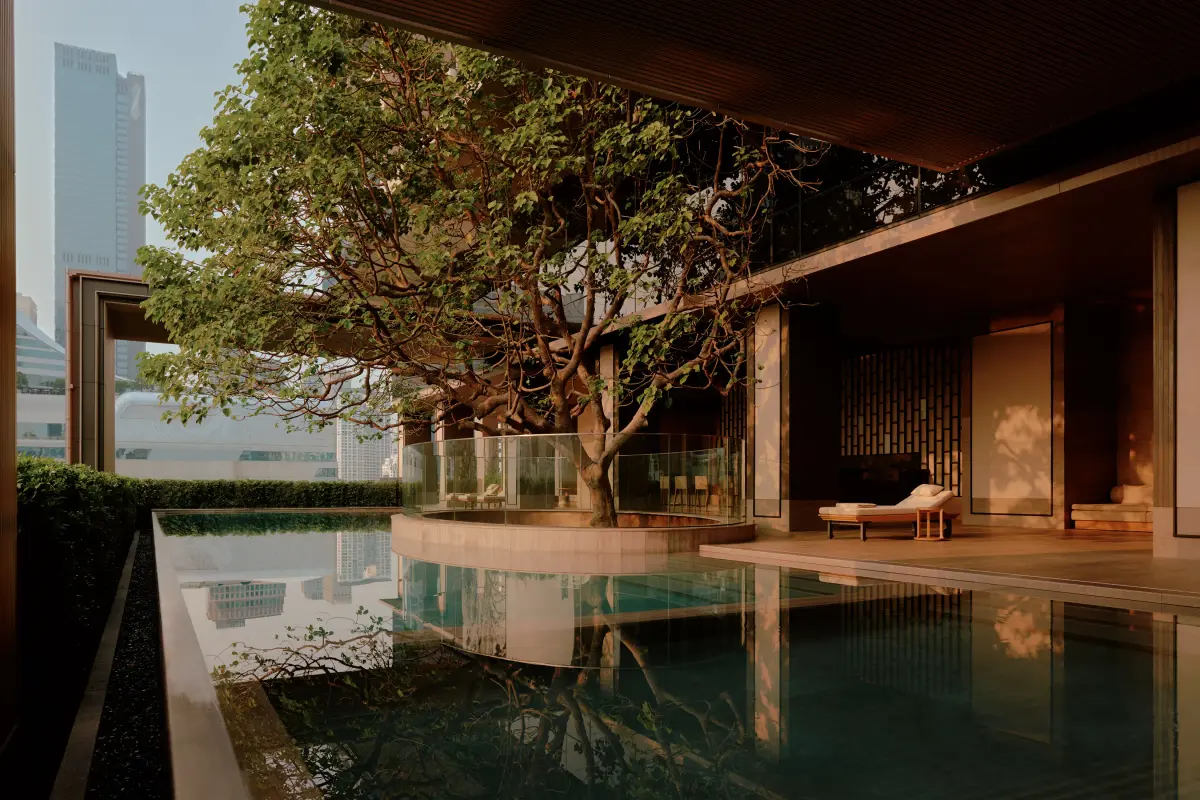
Aman Nai Lert
When you book Aman Nai Lert in Bangkok, Thailand, through our Virtuoso partnership, your stay includes daily breakfast for up to two guests. You also receive a room upgrade, early check-in and late check-out when available. No premium credit card or membership needed: request a quote and our advisor books it at the same rate as booking direct.
Special Offer
Exclusive Rates Available
Exclusive Booking Perks
These perks are included with your stay at the same rate as booking direct with the hotel.
- Upgrade on arrival, subject to availability
- Daily breakfast for up to two guests per bedroom, served in the restaurant and via in-room dining (already included in property rates)
- $100 USD equivalent Food & Beverage or Spa credit to be utilized during stay (not applicable towards Medical Wellness by Hertitude Clinic or Aman Essentials boutique. Not combinable, not valid on room rate, no cash value if not redeemed in full)
- Stays of 2+ nights will also receive complimentary roundtrip limousine airport transfers and fast track service at airport
- Early check-in / Late check-out, subject to availability
Location
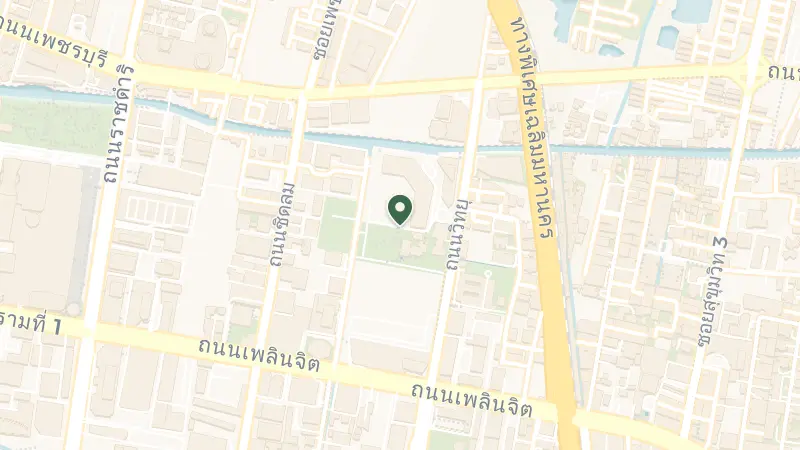
Aman Nai Lert occupies the historic grounds of the Nai Lert family estate in the Lang Suan neighbourhood of Pathum Wan, where the brand's signature restraint meets Bangkok's layered contradictions. The district straddles the old city boundary of Khlong Phadung Krung Kasem, a canal that once marked the eastern edge of royal Bangkok before villas and gardens claimed the open land beyond. Today Pathum Wan is the modern city centre, anchored by the shopping districts of Siam and Ratchaprasong, yet the property remains buffered by the green expanses of Lumphini Park and the Royal Bangkok Sports Club.
Staff-to-guest ratios here eclipse those of neighbouring hotels; the unhurried pace characteristic of Aman's 50-room philosophy holds even as the BTS Skytrain hums overhead a few blocks west. Chulalongkorn University's sprawling campus fills much of the district, lending a neighbourhood rhythm that shifts between student energy and diplomatic quiet.
Suvarnabhumi Airport lies 23 kilometres southeast; Don Mueang, the older hub, 20 kilometres north, both accessible via the elevated expressway network that threads through the city.
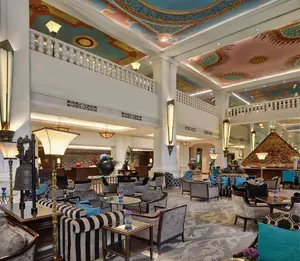
On-site, Arva serves Italian harvest cuisine beneath high ceilings, handwoven silk panels framing tables lit with care. The kitchen leans seasonal, the atmosphere unhurried. Beyond the property, Bangkok's Michelin constellation rewards ambition. Sorn, three and a half kilometres away, holds three stars for Southern Thai cooking that fuses refinement with tradition; Chef SupakSorn Jongsiri sources from coastal provinces, building each course around palm sugar, turmeric, and the sharp funk of fermented fish. Sühring, four kilometres distant and also three-starred, presents modern German technique through the lens of twin chefs Mathias and Thomas, their tasting menu anchored in family recipes and ingredients preserved through pickling and curing. Book well ahead for either.
The Jim Thompson House rewards a morning visit: six teak structures on stilts, filled with Ayutthaya-period Buddhas and Chinese porcelain, all collected by a man who revived Thai silk and disappeared without resolution. Chula Flea Market, two kilometres south, operates weekends with vintage denim and vinyl in equal measure. Lumphini Park offers monitor lizards and early-morning tai chi. For something less expected, the vintage trams and dioramas at the Bangkok Planetarium trace the city's mid-century fascination with the cosmos.
January and February bring the cool season, when temperatures hover near 30°C and the city exhales after the monsoon. Skies stay clear; mornings feel almost crisp. March tips into the hot season, the air thickening as thermometers climb past 34°C through April, the streets slowing under a white haze.
May ushers in the southwest monsoon: sudden downpours in the late afternoon, the Chao Phraya swelling brown, steam rising from pavements as the rain stops as quickly as it began. Humidity peaks through September, when 267 millimetres can fall in a month, though storms rarely last more than an hour.
October begins the retreat toward drier air. November through February remains the most comfortable window, when the city's temple roofs and market awnings gleam under oblique light and evenings cool enough for open-air dining.
Frequently Asked Questions

Quotes are personally reviewed by Natasha Hardy, founder of The Uncommon Traveller
5.0 rating · 8 Google reviewsThere is no fee or markup. The hotel pays our commission.
Request a Quote 44 Bib Gourmand