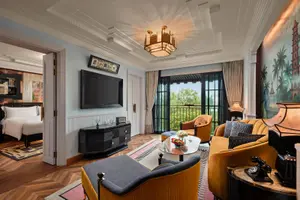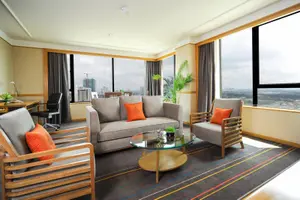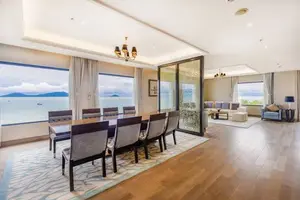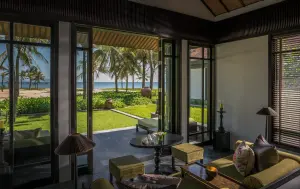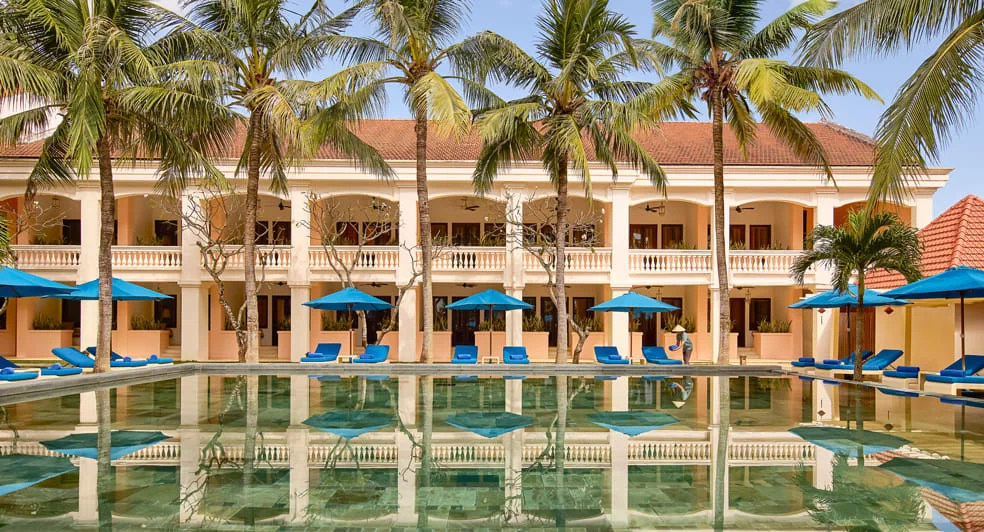
Anantara Hoi An Resort
When you book Anantara Hoi An Resort in Vietnam through our Anantara Journeys partnership, your stay includes welcome amenities. You also receive a room upgrade when available. No premium credit card or membership needed: request a quote and our advisor books it at the same rate as booking direct.
Exclusive Booking Perks
These perks are included with your stay at the same rate as booking direct with the hotel.
- Unique local experience at each hotel
- 24-hour check-in & check-out (upon availability)
- Destination-specific gift in the room
- VIP status and welcome amenities
- No walk-out policy (except the cases of hotel buyout)
- Upgrade upon arrival (upon availability)
Location
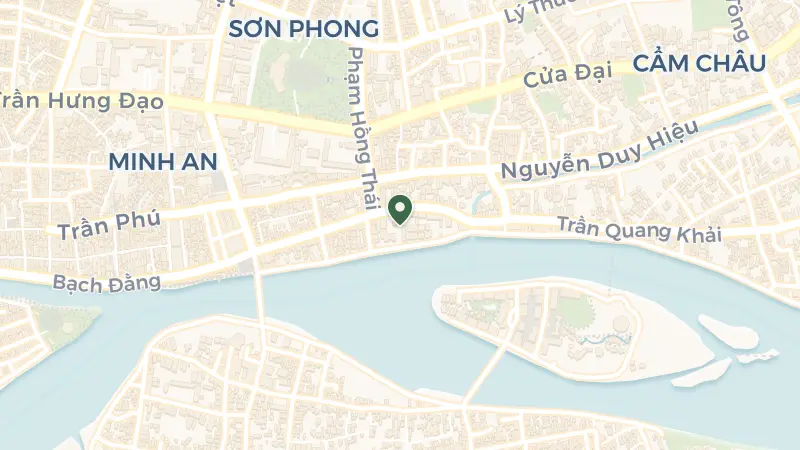
Anantara builds its philosophy around immersive cultural experiences, and few destinations reward that approach as richly as Hoi An. The brand's Sanskrit name, "without end", suits a town where centuries layer atop one another in 1,068 preserved merchant houses, temple halls, and the arched span of the Japanese Bridge. This is the Old Town, a UNESCO World Heritage Site since 1999, where lantern-lit streets trace the routes of Chinese, Japanese, and European traders who sailed here from the 15th century onward. The property sits within the Hoi An Ward, steps from the grid of shophouses and assembly halls that once made this port the commercial heart of the Champa Kingdom.
The air carries the scent of incense from neighbourhood shrines and the savoury pull of bánh mì carts. Morning light washes ochre walls in gold. Hoi An Textile Market and the central Hoi An Market, both under half a kilometre away, buzz with silk vendors and herb sellers. The Museum of Trade Ceramics and Museum of Sa Huynh Culture offer context for the porcelain shards and burial jars that tell the town's pre-colonial story.
Da Nang International Airport lies 24 kilometres north, a 40-minute drive that tracks the Thu Bon River before slipping into the warren of Old Town lanes. The town moves by bicycle and foot; motorized traffic thins as you approach the historic core, where the pace slows to match the architecture.
The property serves as an excellent base for exploring both the culinary and cultural contours of central Vietnam. Book a table at La Maison 1888, a one-Michelin-star French Contemporary restaurant set in a recreated colonial mansion 27 kilometres north; a cable car ascent precedes the five- or eight-course tasting menus. Closer at hand, the Old Town itself is the main event. Walk the network of merchants' houses and clan halls, many dating to the 17th century, then visit the Museum of Trade Ceramics to understand the porcelain trade that built the town's wealth. Hoi An Textile Market, 400 metres from the hotel, remains the place for bespoke silk tailoring, a craft the town has perfected over generations.
Venture 27 kilometres inland to My Son Sanctuary, a cluster of red-brick Cham temples erected between the 4th and 13th centuries, their carvings devoted to Shiva. The Cu Lao Cham Nature Reserve, a protected archipelago 17 kilometres offshore, offers snorkelling and quiet beaches reachable by boat from the Thu Bon estuary. Four kilometres east, Cua Dai Beach stretches wide and pale, fringed by casuarina trees. Don't miss a morning at the riverside Local Morning Market, a kilometre north, where vendors arrange pyramids of dragon fruit and rambutan alongside stalls frying bánh xèo, the sizzling turmeric crepe.
Hoi An's tropical monsoon rhythm divides the year into distinct chapters. February through April brings dry, warming days when the Old Town's yellow façades glow under clear skies, temperatures climbing from the mid-20s into the low 30s Celsius. This is peak season for tailors and temple visits, the streets busy but never oppressive.
May through August turns hotter and more humid, the air thick as thunderheads gather inland. The Thu Bon River runs low, and afternoon rains arrive quickly, drenching the cobblestones before clearing. September ushers in the monsoon proper, with October and November seeing the heaviest downpours. Streets flood, lanterns sway in the wind, and the river swells to its banks.
December and January cool slightly, the sky often overcast, but rain persists. The town feels quieter then, introspective. For the fullest experience, aim for late February through March, when the light is sharp, the humidity manageable, and the lanterns reflect cleanly in the still water of the canals.
Frequently Asked Questions

Quotes are personally reviewed by Natasha Hardy, founder of The Uncommon Traveller
5.0 rating · 8 Google reviewsThere is no fee or markup. The hotel pays our commission.
Request a Quote 23 Bib Gourmand