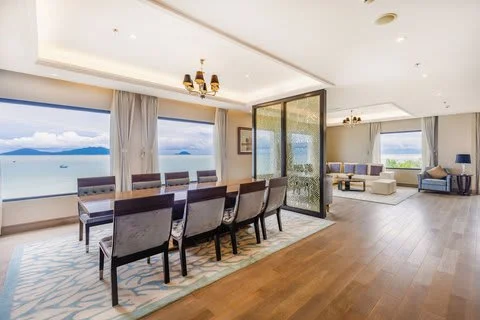
Renaissance Danang Hoi An Resort & Spa
When you book Renaissance Danang Hoi An Resort & Spa in Vietnam through our Marriott Luminous partnership, your stay includes daily breakfast for two and a welcome amenity. You also receive a room upgrade, early check-in and late check-out when available. No premium credit card or membership needed: request a quote and our advisor books it at the same rate as booking direct.
Exclusive Booking Perks
These perks are included with your stay at the same rate as booking direct with the hotel.
- Welcome amenity
- Complimentary breakfast daily for two guests per room
- Early check-in and late check-out (when available)
- Complimentary upgrade (if available at check-in)
Location
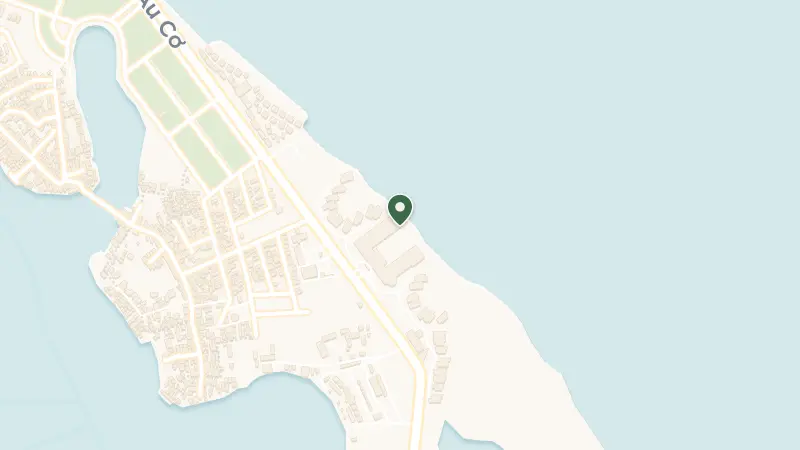
The property sits on Vietnam's central coast where the Thu Bon River meets the East Sea, three kilometres from Cua Dai Beach and six kilometres from Hoi An Ancient Town. This stretch of shoreline has drawn traders for centuries: the historic port that flourished here from the 15th through 19th centuries became a crossroads for Chinese, Japanese, and European merchants, leaving behind the ochre-walled shophouses and covered bridges that now fill the UNESCO-listed Old Town. The neighbourhood retains a quieter rhythm than the lantern-lit lanes closer to the ancient quarter, with beach access and proximity to both heritage sites and emerging golf resorts along the coast.
The sensory character shifts between the salt-aired calm of the beachfront and the bustle of nearby markets: Ba Le Market, four kilometres inland, fills with vendors selling everything from rambutan to fresh-caught mackerel in the early morning. The light here is sharp and tropical, softened only by monsoon clouds that roll in from the sea between September and December.
Da Nang International Airport lies 27 kilometres north, a straightforward transfer that traces the coastline and crosses the Marble Mountains before descending into Quang Nam Province.
The Michelin-starred La Maison 1888 occupies a recreated colonial mansion 28 kilometres south; its French contemporary tasting menus unfold over five or eight courses, reached by cable car ascending to a hilltop perch that overlooks the forested interior. Book ahead for the eight-course sequence. Closer to the property, the Museum of Trade Ceramics in Hoi An's Old Town traces the port's role in the Southeast Asian ceramic trade with kilns and cargo fragments salvaged from shipwrecks, while the Precious Heritage Art Gallery Museum documents the textiles and rituals of Vietnam's highland ethnic minorities through Edward Gaskell's photographic archive. The Old Town itself, six kilometres west, rewards slow exploration on foot: the 18th-century Japanese Covered Bridge, assembly halls thick with incense smoke, and silk lantern workshops lining Tran Phu Street.
Cu Lao Cham Nature Reserve, an archipelago 11 kilometres offshore, offers reef snorkelling and quiet beaches reached by morning boat from Cua Dai. Hoiana Shores Golf Club stretches along coastal dunes seven kilometres south, its links-style layout exposed to prevailing winds off the sea.
February through April delivers the year's clearest skies, with temperatures climbing from the mid-twenties into the low thirties and minimal rainfall. The light during these months is brilliant, ideal for photographing the Old Town's yellow facades and exploring the Cham ruins at My Son Sanctuary without the weight of monsoon humidity.
May through August brings peak heat, the mercury pushing above 33 degrees and the beaches filling with domestic holidaymakers. Afternoon thunderstorms arrive briefly, more spectacle than disruption. September marks the shift: the northeast monsoon sweeps in, and by October the coast receives its heaviest rains, the Thu Bon River swelling brown and fast.
December and January remain overcast and damp, though temperatures cool to the low twenties, a respite from the summer furnace. The Old Town's streets glisten after rain, and the crowds thin, leaving the covered markets and riverside cafés quieter than at any other time of year.
Frequently Asked Questions

Quotes are personally reviewed by Natasha Hardy, founder of The Uncommon Traveller
5.0 rating · 8 Google reviewsThere is no fee or markup. The hotel pays our commission.
Request a Quote 23 Bib Gourmand