
Anantara Sir Bani Yas Island Al Yamm Villa Resort
When you book Anantara Sir Bani Yas Island Al Yamm Villa Resort in Abu Dhabi, UAE, through our Anantara Journeys partnership, your stay includes a welcome amenity. You also receive a room upgrade when available. No premium credit card or membership needed: request a quote and our advisor books it at the same rate as booking direct.
Exclusive Booking Perks
These perks are included with your stay at the same rate as booking direct with the hotel.
- Unique local experience at each hotel
- 24-hour check-in & check-out (upon availability)
- Destination-specific welcome amenity
- VIP status
- Upgrade upon arrival (upon availability)
- Dedicated contact person at each property
Guest feedback
8.2/10 from 144 guest reviews
By category
Guests liked
- Amazing service
- Beautiful location
Points to consider
- Overpriced
- Food service delay
Location
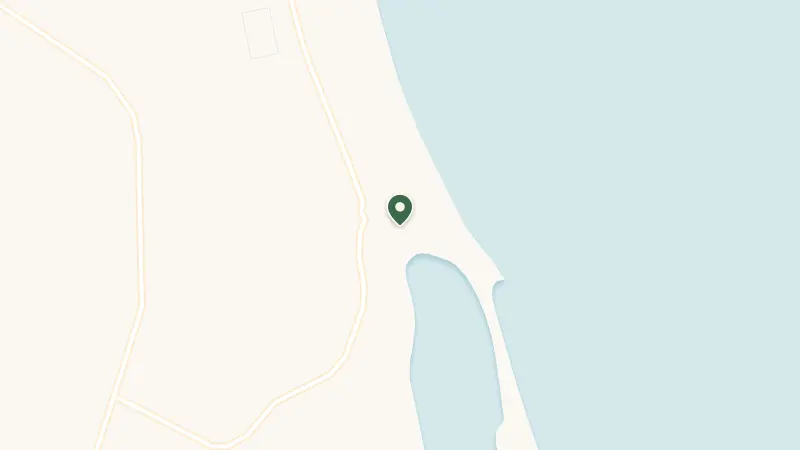
Anantara's philosophy of immersive cultural engagement takes a singular form on Sir Bani Yas Island, where the brand's Sanskrit-rooted commitment to endless discovery meets the Arabian Gulf's raw desert beauty. This is not Abu Dhabi's urban skyline or manicured corniche. The island, 170 kilometres west of the capital, exists as a nature reserve where free-roaming oryx and gazelle move across salt flats and acacia groves, the result of a decades-long rewilding programme that transformed barren terrain into a functioning ecosystem.
The property occupies a stretch of coastline where the desert meets the sea, mangroves threading through tidal channels and rocky headlands breaking the surf. Sir Bani Yas has been inhabited since Neolithic times, with archaeological sites revealing Christian monasteries from the seventh century, a testament to the island's position along ancient maritime trade routes. The island's modern conservation story began in the 1970s, and today it shelters over 10,000 animals across species native to the Arabian Peninsula and beyond.
Hamad International Airport in Doha is approximately 150 kilometres east, though most arrivals route through Abu Dhabi before transferring by boat or seaplane. The journey emphasizes the remoteness: this is a destination for those who value wildlife encounters and desert solitude over proximity to cities.
The island's network of nature drives and walking trails delivers encounters with Arabian wildlife in a setting that feels genuinely wild rather than zoo-like. Book a dawn safari to catch oryx at their most active, or kayak through the mangroves at high tide when herons stalk the shallows. The on-property cooking school follows Anantara's model of cultural connection, teaching Emirati techniques for preparing dishes like machboos and luqaimat, the saffron-scented dumplings drizzled with date syrup that close traditional meals.
Offshore, diving and snorkelling reveal coral gardens and seasonal visits from whale sharks between March and May. Archery, mountain biking across the interior's rocky plateaus, and horseback riding along the beach fill the hours between swims. The Anantara Spa incorporates regional ingredients, coffee scrubs and frankincense oil treatments that reference centuries of Arabian trade. The island's archaeological sites, including the monastery at Jebel Sir Bani Yas, offer context for the region's pre-Islamic Christian communities, their stone ruins perched above plains now grazed by reintroduced cheetahs.
November through March delivers the island's ideal conditions. Daytime temperatures hover in the mid-twenties to low thirties, cool enough for safaris and outdoor activity, with evenings requiring a light layer as desert air sheds heat rapidly after sunset. The Gulf stays swimmable year-round, a flat turquoise contrast to the tawny inland terrain.
April and October mark shoulder seasons, warmer but still manageable before noon and after four, when light takes on a honeyed quality and animals seek shade. Wildlife viewing shifts to early mornings and dusk drives, the heat driving species toward waterholes where sightings concentrate.
May through September is fiercely hot, temperatures exceeding forty degrees and rendering midday exploration punishing. The island empties during these months, though the spa, marine activities, and air-conditioned interiors remain viable. Those who visit now find profound solitude and dramatically reduced rates, the trade-off clear and deliberate.
Frequently Asked Questions

Quotes are personally reviewed by Natasha Hardy, founder of The Uncommon Traveller
5.0 rating · 8 Google reviewsThere is no fee or markup. The hotel pays our commission.
Request a Quote