Andaz Shenzhen Bay, by Hyatt
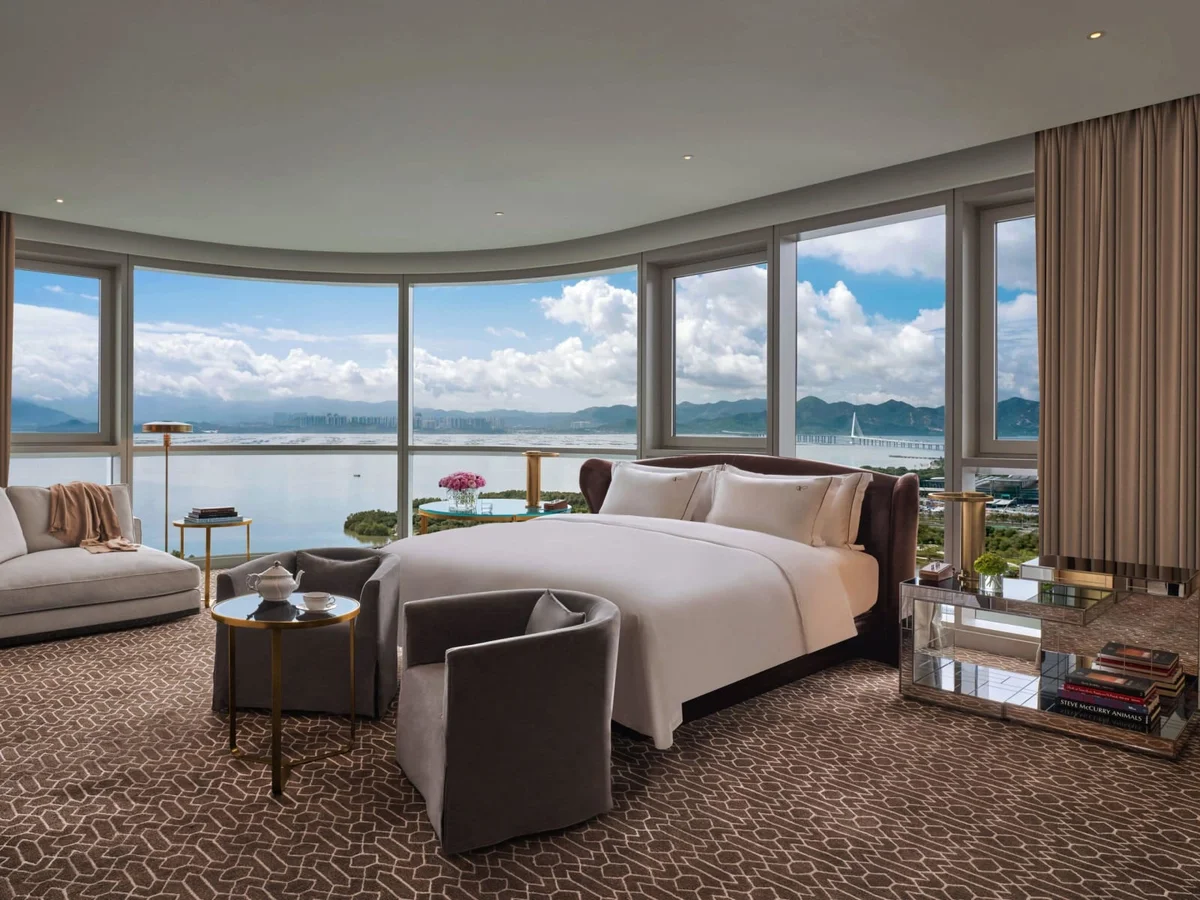
When you book Andaz Shenzhen Bay, by Hyatt in China, through our Hyatt Privé partnership, your stay includes daily full breakfast for up to two guests and a property credit. You also receive a priority room upgrade when available. You continue earning World of Hyatt points and elite night credits. No premium credit card or membership needed: request a quote and our advisor books it at the same rate as booking direct.
Exclusive Booking Perks
These perks are included with your stay at the same rate as booking direct with the hotel.
- Welcome amenity provided to guests upon arrival.
- Daily complimentary full breakfast at a hotel restaurant for up to two guests.
- Property credit (value varies by property).
- Priority for room upgrade (response within 24 hours of booking, subject to forecasted occupancy).
- Early check-in/late check-out/connecting rooms (response within 24 hours of request, subject to forecasted occupancy).
Location
Andaz translates to "personal style" in Hindi, a philosophy that shapes every property in Hyatt's lifestyle luxury portfolio. Here, design-driven spaces reflect the pulse of their surroundings through locally inspired dining, curated art programmes, and an approach to service that skips the traditional front desk formality in favour of genuine connection. Complimentary minibar snacks signal the brand's commitment to inclusive luxury, a small detail that sets the tone for a stay defined by thoughtfulness rather than upselling.
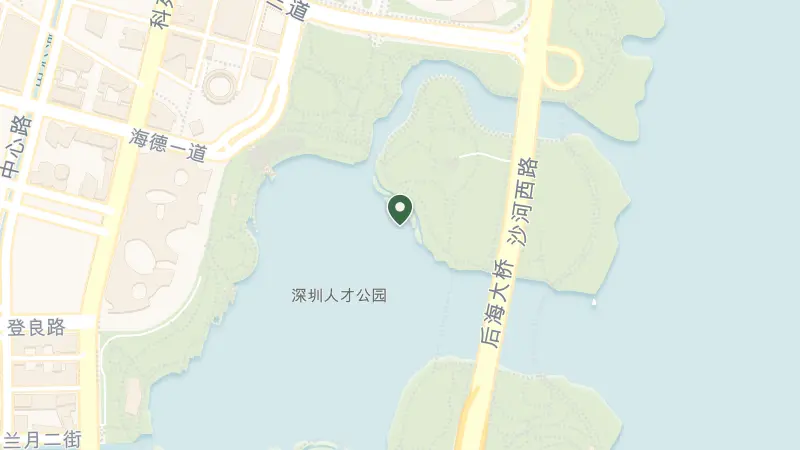
Shenzhen hums with the energy of a city that barely existed four decades ago and now rivals any Asian metropolis for ambition and scale. What was once a fishing village has become a technology and manufacturing powerhouse, its skyline punctuated by towers that seem to multiply overnight. The Yuehai Sub-district places you near the waterfront, where the OCT Wetland Park preserves mangrove ecosystems just four kilometres west, and the Nanshan Market offers a window into daily life a short drive north. The beaches at Coconut Grove stretch along the coast, while the Futian Mangrove Nature Reserve, seven kilometres east, shelters migratory birds in wetlands that feel worlds away from the surrounding glass and steel.
Shenzhen Bao'an International Airport lies twenty kilometres northwest, with Hong Kong International Airport just twenty-three kilometres across the border, making this a natural base for exploring the Pearl River Delta.
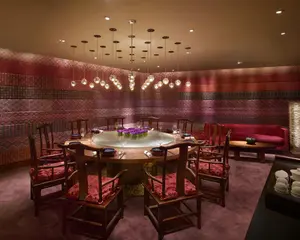
Shenzhen's dining scene skews modern and experimental, but serious Cantonese and French kitchens lie within reach across the border in Hong Kong. T'ang Court, thirty-four kilometres south, holds three Michelin stars for its refined approach to Cantonese traditions, the plush dining room dressed in Chinese art and richly upholstered seating. Caprice, roughly the same distance, delivers French contemporary cuisine with harbour views that justify the journey, while Ta Vie showcases chef Hideaki Sato's seasonal Japanese-inflected inventions, his spare plating philosophy underpinned by ingredients flown in from his home country. Book a table at any of these well in advance; they anchor Hong Kong's culinary reputation. Closer to the property, the Shenzhen Golf Course sits ten kilometres inland for those inclined toward a morning round.
The Historic Centre of Macao, fifty-five kilometres west, earned UNESCO recognition for its Portuguese colonial architecture, a tangible record of the port's role as a trading crossroads from the mid-sixteenth century until 1999. The blend of European churches and Chinese temples speaks to centuries of cultural exchange. Tin Chak Market, eight kilometres away, and the Nanshan Agricultural Wholesale Market offer a more immediate glimpse of the region's produce and rhythms, the stalls piled with unfamiliar greens and live seafood.
Winter arrives mild and dry, temperatures hovering between eleven and twenty degrees, the clearest skies of the year making this the most comfortable season for walking the city. Spring warms gradually through March and April, but by May the humidity climbs and rain becomes frequent, the subtropical weight settling over the Pearl River Delta.
Summer stretches from June through August, oppressively humid with afternoon downpours that can drop over three hundred millimetres in a month. The air feels thick even after storms pass, though the mangrove reserves turn lush and green. Typhoons occasionally track through, though direct hits are rare.
Autumn brings relief by October, temperatures easing into the mid-twenties and rainfall tapering off. November and December see the return of crisp mornings and lower humidity, the season ideal for exploring markets and nature reserves without the swelter. Plan for late autumn or winter if you prefer dry conditions and manageable heat.
Frequently Asked Questions

Quotes are personally reviewed by Natasha Hardy, founder of The Uncommon Traveller
5.0 rating · 8 Google reviewsThere is no fee or markup. The hotel pays our commission.
Request a Quote 90 Bib Gourmand