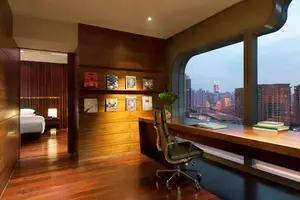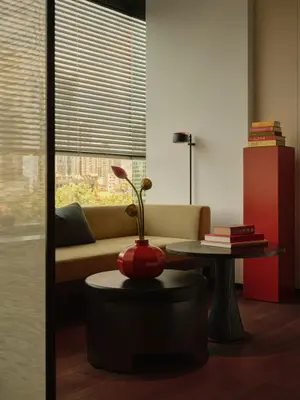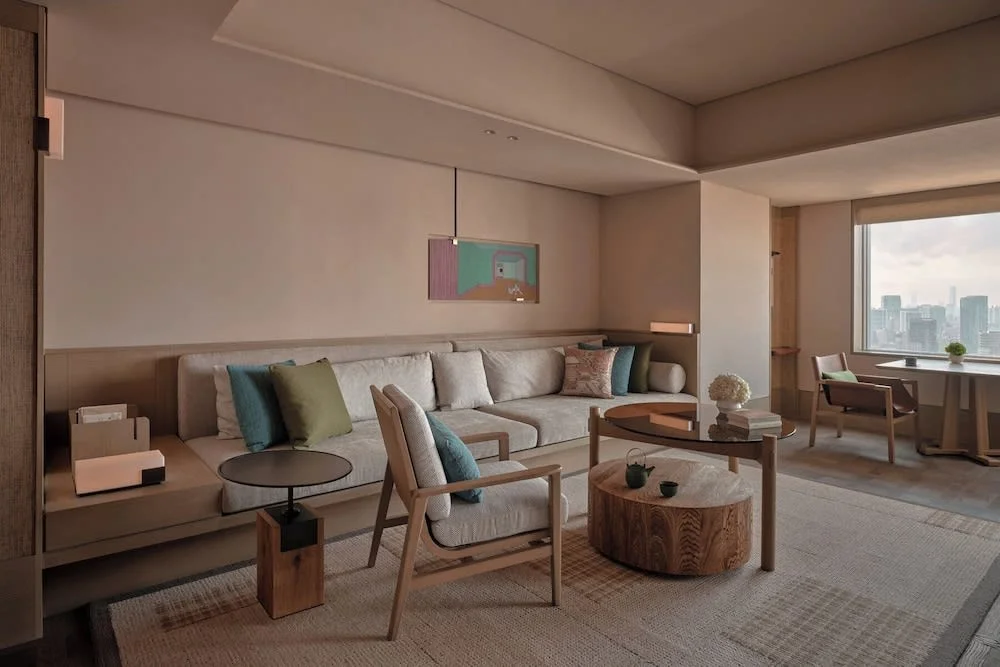
Alila Shanghai
When you book Alila Shanghai in China through our Hyatt Privé partnership, your stay includes daily full breakfast for up to two guests and a property credit. You also receive a priority room upgrade, early check-in and late check-out when available. You continue earning World of Hyatt points and elite night credits. No premium credit card or membership needed: request a quote and our advisor books it at the same rate as booking direct.
Exclusive Booking Perks
These perks are included with your stay at the same rate as booking direct with the hotel.
- Welcome amenity provided to guests upon arrival.
- Daily complimentary full breakfast at a hotel restaurant for up to two guests.
- Property credit (value varies by property).
- Priority for room upgrade (response within 24 hours of booking, subject to forecasted occupancy).
- Early check-in/late check-out/connecting rooms (response within 24 hours of request, subject to forecasted occupancy).
Location
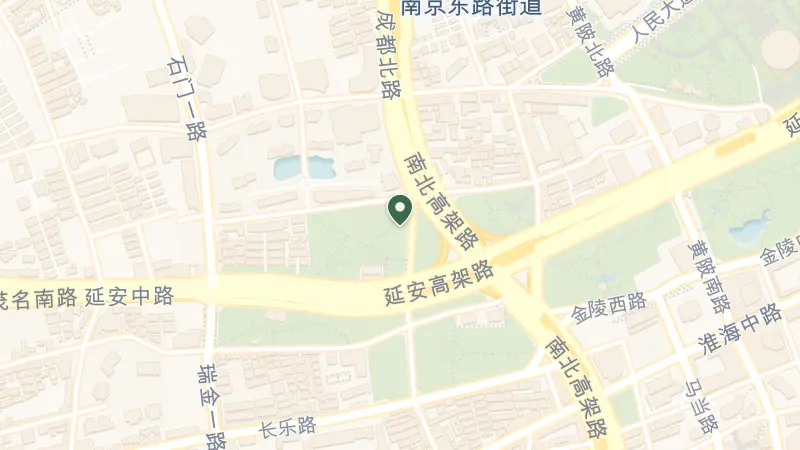
Alila brings its Sanskrit promise of surprise to Shanghai's Nanjing Xilu, a neighbourhood where the city's frenetic commercial pulse meets quieter pockets of Republican-era elegance. The brand's design-led sensibility and commitment to cultural immersion find natural expression here, where glassy towers rise above plane-tree-lined streets and the ghosts of 1930s glamour still linger in art deco doorways. This is the retail heart of the city, yet step one block off the main artery and you'll find temple courtyards thick with incense smoke and wet markets where vendors gut fish at dawn.
Nanjing Road itself stretches east toward the Bund, that famous waterfront promenade where neoclassical banks face the sci-fi skyline of Pudong across the Huangpu River. The Marriage Market in People's Park, less than a kilometre away, sees parents gather each weekend with handwritten CVs of their unwed children, a tradition that persists even as Shanghai hurtles into its digital future. The neighbourhood hums with contradictions: luxury malls and dumpling shacks, calligraphy shops and cocktail bars, all layered atop a city that remade itself in a generation.
Shanghai Hongqiao International Airport lies thirteen kilometres west, connected by metro and taxi. Pudong, the city's larger international gateway, sits thirty-four kilometres to the southeast.
The city's Michelin-starred dining scene reflects Shanghai's position as China's culinary crossroads. Taian Table, three-starred and three kilometres away, offers counter seating around an island kitchen where chef Stefan Stiller's team executes ten- or twelve-course menus that shift every few weeks. Book weeks ahead. Two-starred The House of Rong occupies a historical mansion just over a kilometre distant, the former property of I.M. Pei's family, its interiors still displaying the architect's original drawings among Suzhou-style architectural details. For Cantonese technique, Tou Zao demonstrates wok hei mastery fifteen hundred metres south, where the chef's control of heat produces the signature breath-of-the-wok flavour prized in Guangdong kitchens.
Beyond dining, the neighbourhood's character emerges in its markets. The Marriage Market in People's Park continues its weekend ritual of parental matchmaking, a window into generational expectations. Korean Fashion Market, under three kilometres away, supplies the city's style-conscious crowds. The Classical Gardens of Suzhou, a UNESCO site ninety-seven kilometres west, recreates natural landscapes in miniature through centuries-old design principles, a daytrip that rewards early departure.
Spring arrives gradually, the air softening from March into May as magnolias bloom along the avenues and temperatures climb into the low twenties. This is the city's most pleasant season, though April showers are frequent.
Summer brings heat and humidity that settle over the streets like a wet blanket, July and August hovering around thirty degrees with monsoon rains that drum on awnings and send shoppers scattering. The Marriage Market empties; locals retreat indoors.
Autumn is the other ideal window, September through early November, when the humidity breaks and the light turns golden over the Huangpu. Winter is short and damp, rarely bitter but grey enough that the city feels muted, the streets quieter, the teahouses fuller.
Frequently Asked Questions

Quotes are personally reviewed by Natasha Hardy, founder of The Uncommon Traveller
5.0 rating · 8 Google reviewsThere is no fee or markup. The hotel pays our commission.
Request a Quote 34 Bib Gourmand