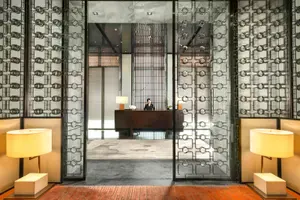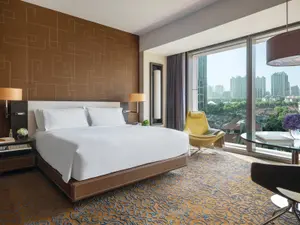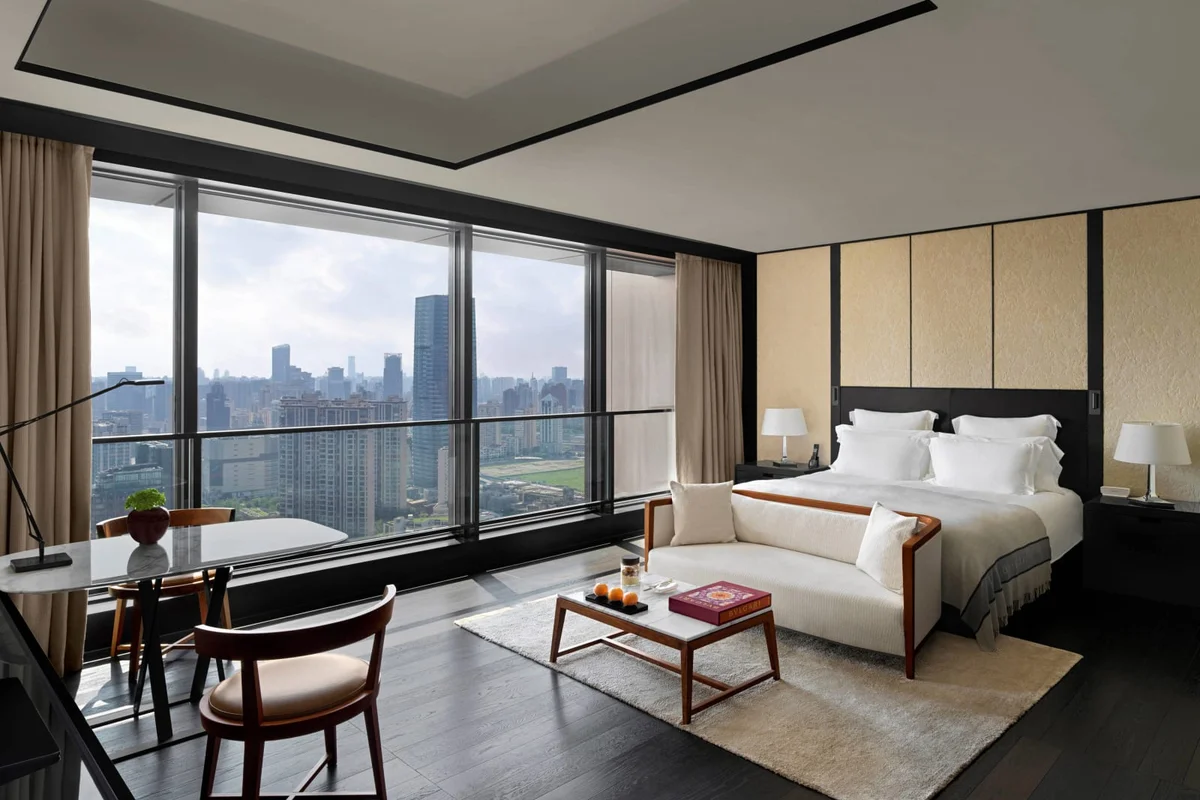
Bulgari Hotel Shanghai
When you book Bulgari Hotel Shanghai in China through our Marriott STARS partnership, your stay includes daily breakfast for two and a $100 USD hotel credit once per stay. You also receive a room upgrade, early check-in and late check-out when available. You continue earning Marriott Bonvoy points and elite night credits. No premium credit card or membership needed: request a quote and our advisor books it at the same rate as booking direct.
Special Offer
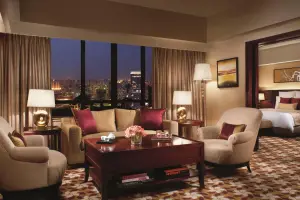
Extra Hotel Credit Offer Enjoy up to $200 USD Hotel Credit with a 2-night minimum stay (select room categories) The Hotel Extra Credit Offer includes: • Extra $50 USD hotel credit per stay for Premium City View Room / Deluxe Bund View Room / Premium Bund View Room • Extra $100 USD hotel credit per stay for Superior City View Suite / Superior Bund View Suite / Deluxe City View Suite / Deluxe Skyline View Suite/ Deluxe Bund View Suite / Premium Bund View Suite and Bvlgari Suite
Exclusive Booking Perks
These perks are included with your stay at the same rate as booking direct with the hotel.
- Personalized and customized amenity
- Complimentary breakfast daily for two guests per room
- All STARS hotels offer a hotel credit valued at $100 USD (once per stay)
- Early check-in and late check-out (when available)
- Complimentary upgrade (if available at check-in)
Location
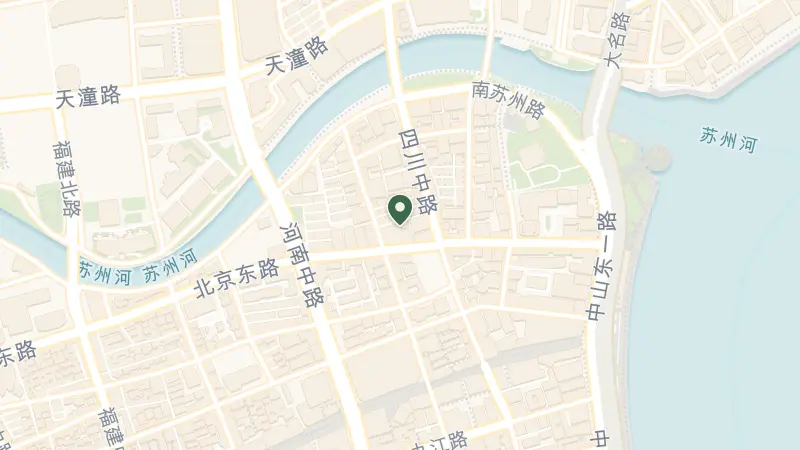
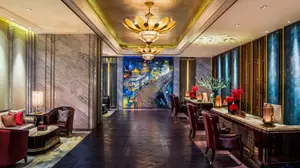
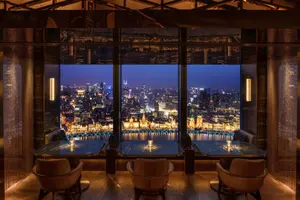
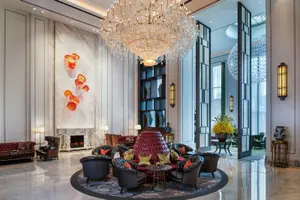
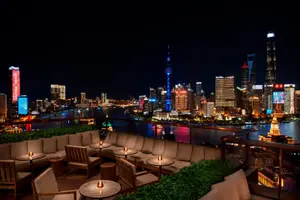
Bulgari Hotels brings Italian jeweller's precision and Antonio Citterio Patricia Viel's architectural vision to global gateway cities, each property a study in contemporary design and craftsmanship. In Shanghai, that translates to a presence in the Waitanyuan neighbourhood of the Waitan Subdistrict, where the Huangpu River curves past the colonial-era facades of the Bund. The air here carries the particular weight of a city that has always looked both ways: west toward the art deco banks and trading houses that once defined the waterfront, east across the water to the glass towers of Lujiazui.
Step out and you're in the thick of Shanghai's layered identity. The Bund's neoclassical stone buildings glow amber at dusk, their cornices and columns a reminder of the treaty port era. A few blocks inland, longtang alleyways thread between low-rise brick houses where laundry hangs and elderly residents play mahjong on folding tables. The French Concession's plane trees and art deco villas lie southwest, Nanjing Road's neon retail sprawl stretches west.
Shanghai Hongqiao International Airport is fifteen kilometres west; Pudong International, the main international gateway, sits thirty-three kilometres east across the river. Taxis and the metro connect both efficiently to the city centre.
Il Ristorante brings chef Niko Romito's precision to the property, the brand's signature Italian dining interpreting seasonal ingredients through the lens of contemporary technique. Meters away, 8 ½ Otto e Mezzo Bombana (two Michelin stars) offers Umberto Bombana's northern Italian repertoire beneath a glazed wine cellar holding bottles that span Barolo, Brunello, and Burgundy appellations. Imperial Treasure Fine Chinese Cuisine (two stars) delivers Cantonese refinement, dim sum and barbecued meats served beneath crystal chandeliers in a dining room dressed in black lacquer. Book a table at Taian Table (three stars), five and a half kilometres inland, where Stefan Stiller's innovative tasting menus unfold at counter seats encircling the open kitchen, the chef changing the ten- or twelve-course progression every few weeks to follow the market.
The Clothing Market, half a kilometre from the property, sprawls through covered stalls where fabric sellers negotiate bolts of silk and tailors take measurements on the spot. Korean Fashion Market sits eight hundred metres north for contemporary ready-to-wear. The Bund itself is the cultural landmark, its kilometre-long arc of neoclassical and art deco buildings erected between 1900 and 1930 by British, American, and European financial institutions. Start at dawn when tai chi practitioners gather along the waterfront balustrade, the Huangpu sliding past in muddy silence, Pudong's skyscrapers emerging from the haze across the water.
Winter, from December through February, brings sharp air and temperatures hovering between freezing and ten degrees. The low light slants hard across the Bund's stone facades, and locals bundle in heavy coats. It's the quietest season, the city turned inward.
Spring and autumn are the prime windows. March through May sees temperatures climb from the low teens to the mid-twenties, the plane trees leafing out along the former concession roads. September through November reverses the arc, warm days cooling into crisp evenings, the city's energy revving back up after summer's torpor.
July and August turn thick and humid, temperatures pushing past thirty degrees. The air feels heavy, the river haze blurring the skyline. Afternoon thunderstorms roll through, brief and drenching, then the heat returns.
Frequently Asked Questions

Quotes are personally reviewed by Natasha Hardy, founder of The Uncommon Traveller
5.0 rating · 8 Google reviewsThere is no fee or markup. The hotel pays our commission.
Request a Quote 34 Bib Gourmand