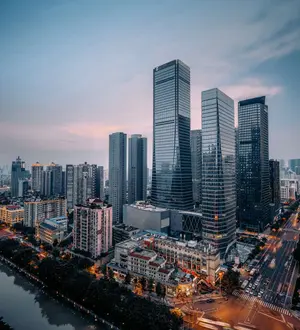
The Ritz-Carlton, Chengdu
When you book The Ritz-Carlton, Chengdu in China, through our Marriott STARS partnership, your stay includes daily breakfast for two and a $100 USD hotel credit once per stay. You also receive a room upgrade, early check-in and late check-out when available. You continue earning Marriott Bonvoy points and elite night credits. No premium credit card or membership needed: request a quote and our advisor books it at the same rate as booking direct.
Exclusive Booking Perks
These perks are included with your stay at the same rate as booking direct with the hotel.
- Personalized and customized amenity
- Complimentary breakfast daily for two guests per room
- All STARS hotels offer a hotel credit valued at $100 USD (once per stay)
- Early check-in and late check-out (when available)
- Complimentary upgrade (if available at check-in)
Location
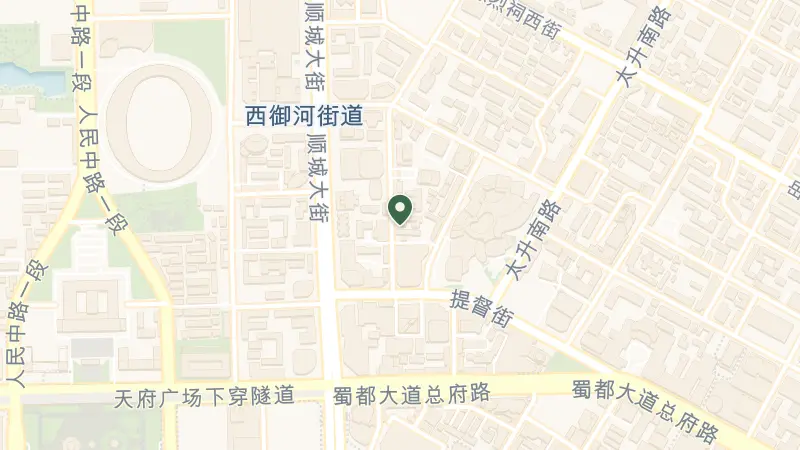
Ritz-Carlton's consistent service ethos translates particularly well in Chengdu, where the brand's preference tracking and Club Lounge culture meet a city that moves between ancient teahouse rhythms and ambitious modernity. The property sits in the Gulou and Xiyuhe neighbourhoods, a central position that places guests within walking distance of the drum tower district's historic fabric and the canal-side parks that thread through this part of the city. Chengdu has long been Sichuan's cultural and culinary capital, a place where fiery hotpot houses crowd next to opera theatres, where panda research centres draw international attention, and where slow-paced teahouse culture persists despite rapid development.
The streets around Gulou carry the scent of Sichuan peppercorns and star anise from open kitchen windows, while the Xiyuhe canal offers tree-lined paths for early morning walks. This is a neighbourhood where elderly residents practice tai chi in small parks at dawn, and where evening markets fill with vendors selling everything from hand-pulled noodles to embroidered silk.
Chengdu Shuangliu International Airport lies seventeen kilometres from the property, connected by metro and taxi. The newer Tianfu International Airport, fifty-three kilometres distant, serves as a secondary gateway for international arrivals.
Within walking distance, Yu Zhi Lan redefines Sichuanese cooking as haute cuisine under owner-chef Lan Guijun, a local legend who crafts dishes in a rustic space adorned with his own ceramic art. The restaurant requires no signage, just one point four kilometres from the property, where devoted diners always find their way to claim its two Michelin stars. The Hall, equally close, operates as Louis Vuitton's first Chinese restaurant inside a 1730s heritage building, its original brick walls and perforated wood windows framing European contemporary plates beneath soaring ceilings. Book a table at Xin Rong Ji, nine kilometres out, where ingredients fly in daily from Taizhou to supply the three-starred kitchen and its views of the Twin Towers.
Kowloon Plaza sprawls half a kilometre from the hotel, while Dacheng Market, three kilometres distant, offers deeper immersion in Sichuan's produce traditions: bundles of fresh Sichuan peppercorns, fatty pork belly for twice-cooked dishes, and the particular thin-skinned chillies that define authentic huílà flavour. The Dujiangyan Irrigation System, a third-century BC engineering marvel still controlling the Minjiang River's waters, sits fifty-eight kilometres northwest alongside Mount Qingcheng, both inscribed as UNESCO heritage for their enduring influence on the Chengdu plains' fertility.
Winter settles over Chengdu with grey skies and cool, damp air. January temperatures hover near freezing at night, rising only to nine degrees by midday. The city takes on a muted quality, with mist clinging to canal paths and teahouses filling with residents seeking warmth over endless pots of jasmine tea.
Spring arrives gradually, with March bringing milder days and the first cherry blossoms. April and May see temperatures climb into the low twenties, though rain increases steadily. The city shakes off its winter stillness, and outdoor markets pulse with energy again.
Summer monsoons drench Chengdu from June through August, with July receiving the heaviest rainfall. Temperatures peak near thirty degrees, but humidity makes the air heavy and close. Autumn, particularly October and November, offers the best conditions for travel: clear skies, moderate warmth, and the lowest precipitation of the year.
Frequently Asked Questions

Quotes are personally reviewed by Natasha Hardy, founder of The Uncommon Traveller
5.0 rating · 8 Google reviewsThere is no fee or markup. The hotel pays our commission.
Request a Quote 32 Bib Gourmand