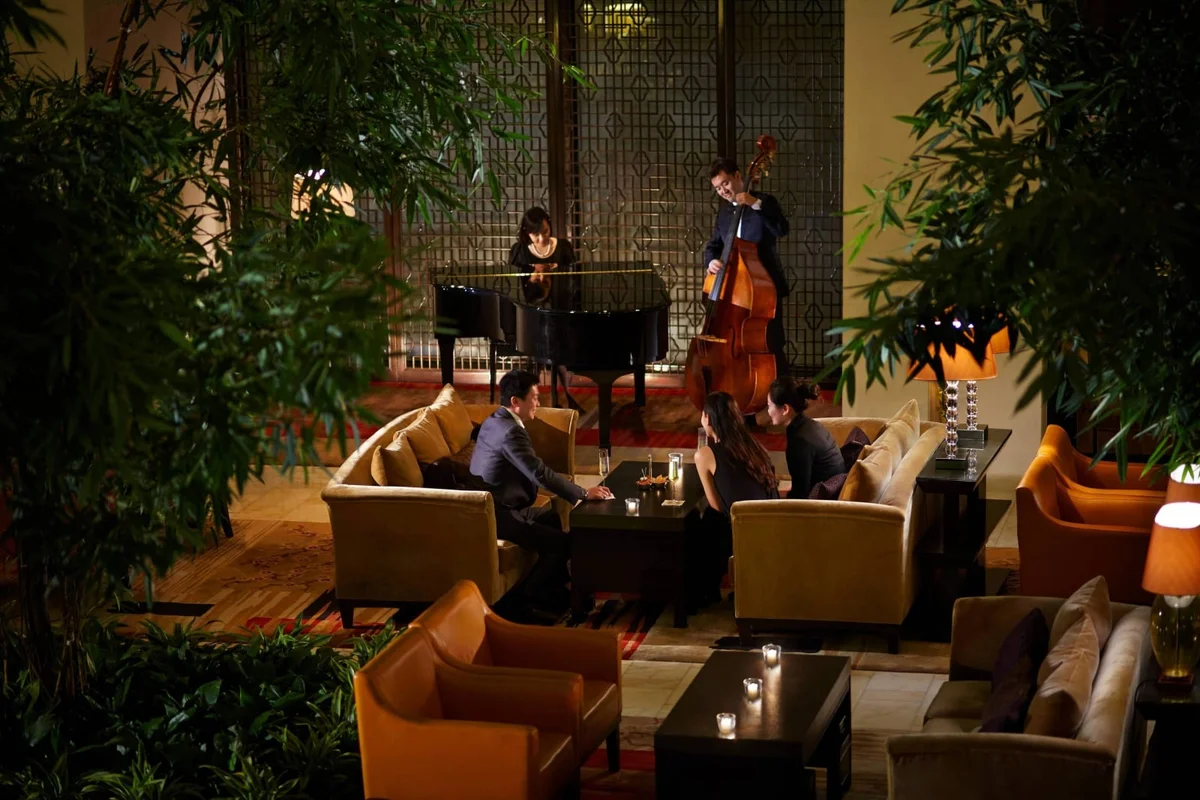
The Ritz-Carlton Beijing Financial Street
When you book The Ritz-Carlton Beijing Financial Street in China through our Virtuoso partnership, your stay includes daily buffet breakfast for up to two guests and a $100 USD food and beverage credit. You also receive a room upgrade when available. You continue earning Marriott Bonvoy points and elite night credits. No premium credit card or membership needed: request a quote and our advisor books it at the same rate as booking direct.
Exclusive Booking Perks
These perks are included with your stay at the same rate as booking direct with the hotel.
- Upgrade on arrival, subject to availability
- Daily Buffet breakfast for up to two guests per bedroom, served in the restaurant
- $100 USD Equivalent Food & Beverage credit to be utilized during stay (not combinable, no cash value if not redeemed in full)
- Early Check-In / 4pm Late Check-out, subject to availability
Location
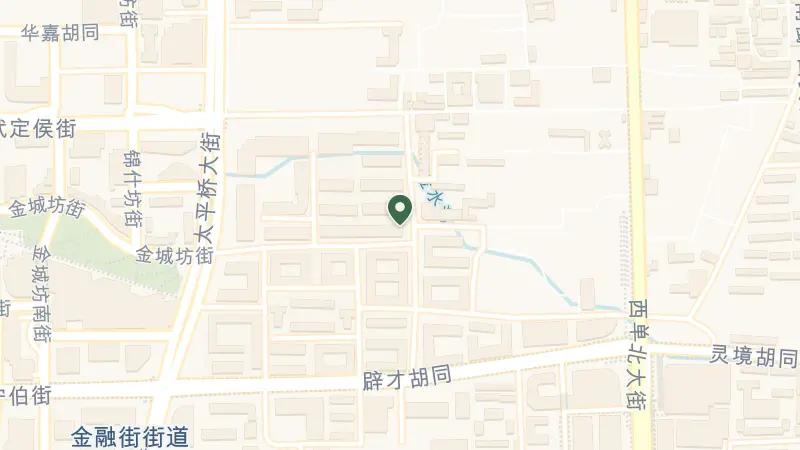
Ritz-Carlton properties worldwide share a service philosophy that prioritizes personalized attention and detailed guest preference tracking, ensuring consistent high-touch hospitality whether you arrive in Bali or Beijing. The Xicheng District location places you in the capital's financial heart, though the city's true character reveals itself beyond the glass towers. Beijing is a city of layered histories: imperial gardens and sacrificial altars abut contemporary art districts, while narrow hutong alleys thread between wide boulevards designed for ceremonial processions.
The Beijing Central Axis, a UNESCO ensemble running north-south through the historical core, lies just three kilometres east. This centuries-old alignment of palaces, gardens, and ritual structures embodies the spatial logic of imperial China, where cosmology dictated urban form. The scale is monumental, the symbolism encoded in every sightline.
Beijing Capital International Airport lies 27 kilometres northeast, connected by express rail and highway. The newer Daxing International Airport, 46 kilometres south, serves as a second gateway. Within the city, the subway network moves millions daily, though the downtown grid rewards those willing to walk and observe at ground level.
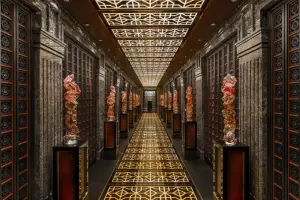
Beijing's Michelin-starred dining scene spans regional Chinese cuisines with technical precision. Chao Shang Chao, 8.5 kilometres away in Chaoyang, reinterprets Chaozhou classics with a deft hand; the entry hallway lined with premium dried fish maws signals the restaurant's commitment to top-tier ingredients. Closer in, King's Joy occupies a historical courtyard house near Yonghe Temple, five kilometres from the hotel, where vegetarian dishes are composed with Zen-inspired restraint. Book a table at Xin Rong Ji on Xinyuan South Road, 8.2 kilometres distant, for Taizhou cooking and East China Sea fish in a modern Chinese setting.
The Temple of Heaven, ten kilometres south, was consecrated in the 15th century as an imperial sacrificial altar. Its architecture encodes numerology and cosmological principles: the circular Hall of Prayer for Good Harvests sits within a square enclosure, heaven meeting earth. Sihuan Market, less than three kilometres away, offers a counterpoint to temple solemnity with its everyday commerce. Houhai's lakeside hutongs, accessible via a short taxi ride, reveal the city's older residential fabric.
Winter is sharp and dry, with January temperatures dropping well below freezing and brittle blue skies that make the Forbidden City's vermilion walls appear even more vivid. The air bites, but the lack of crowds and crystalline light reward those unbothered by cold. Spring arrives hesitantly in April, when temple courtyards fill with flowering trees and temperatures climb into the twenties.
Summer brings humidity and afternoon thunderstorms, particularly in July and August when rainfall peaks. The heat sits heavy in the hutongs, though garden pavilions and shaded temple halls offer respite. Autumn is the most temperate season, September through October delivering mild days and nights cool enough for outdoor wandering.
Late autumn sees the ginkgo trees along the Central Axis turn gold before the leaves fall and winter reasserts itself in November. The city empties slightly after October's National Day holiday, making this an ideal window for those seeking both comfort and relative quiet.
Frequently Asked Questions

Quotes are personally reviewed by Natasha Hardy, founder of The Uncommon Traveller
5.0 rating · 8 Google reviewsThere is no fee or markup. The hotel pays our commission.
Request a Quote 26 Bib Gourmand