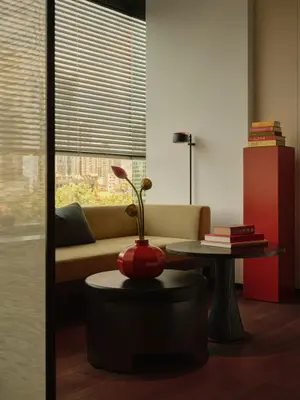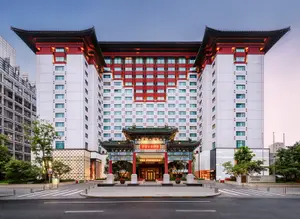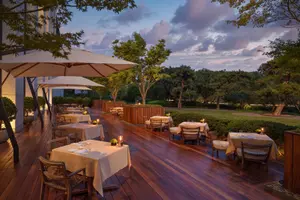
Capella Shanghai, Jian Ye Li
When you book Capella Shanghai, Jian Ye Li in China, through our Virtuoso partnership, your stay includes daily breakfast for up to two guests and a $100 USD resort or hotel credit. You also receive a room upgrade, early check-in and late check-out when available. No premium credit card or membership needed: request a quote and our advisor books it at the same rate as booking direct.
Exclusive Booking Perks
These perks are included with your stay at the same rate as booking direct with the hotel.
- Upgrade on arrival, subject to availability
- Daily breakfast for up to two guests per bedroom, served in the restaurant and via in-room dining (already included in property rates)
- $100 USD equivalent Resort or Hotel credit
- Early Check-In / Late Check-Out, subject to availability
Location
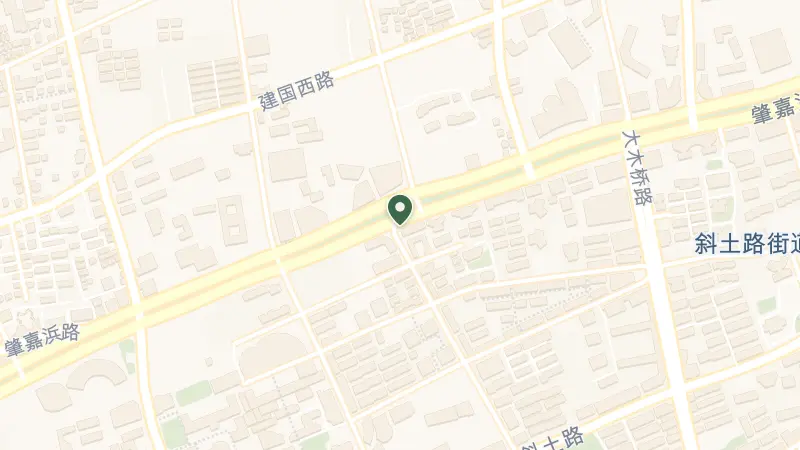
Capella Hotels brings the vision of founder Horst Schulze to architecturally significant settings, each property staffed with personal assistants who anticipate needs before they surface. The brand's Shanghai outpost upholds this philosophy in a city where the past century's collisions between East and West have produced a skyline and street life unlike anywhere else. Xietulu, the French Concession neighbourhood surrounding the property, unfolds in plane-tree canopies and longtang alleyways, where stone-gated lane houses give way to art deco apartment blocks and the occasional pre-war mansion turned gallery or members' club.
The concession-era architecture within walking distance tells the story of 1930s Shanghai, when the city was the Paris of the East and the world's fifth-largest metropolis. Ji Pin Court, a two-Michelin-starred Cantonese kitchen, sits four hundred metres away, close enough to stroll back after the signature sand ginger chicken. The neighbourhood rewards wandering: vintage fabric markets tucked between cafés, incense curling from small temples, the rhythmic clack of mah-jong tiles drifting from upstairs windows.
Shanghai Hongqiao International Airport lies eleven kilometres west, Pudong International thirty-four kilometres east. Taxis navigate the city's elevated expressways with practised speed, though the metro offers a cleaner sightline into daily Shanghai life.
The Michelin constellation overhead justifies a week of reservation-hopping alone. Ji Pin Court delivers traditional Cantonese precision at close range, every condiment diced to uniform size, the claypot chicken fragrant with sand ginger. Book a table at Taian Table, three kilometres northwest, where Stefan Stiller's 10- or 12-course set menu shifts every few weeks and counter seats encircle the island kitchen. Canton 8, two and a half kilometres distant, serves handmade dim sum under the hand of Chef Mak, whose four decades of experience surface in painstaking recipes rarely seen outside Guangdong. The Marriage Market, less than four kilometres away, offers a snapshot of contemporary Shanghai life as parents gather to broker introductions for their adult children, a weekly ritual that blends tradition with modern anxieties.
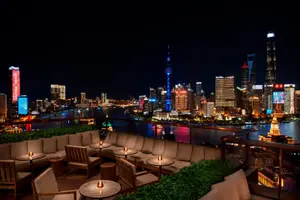
The French Concession's plane-shaded streets hold galleries in converted villas, independent bookshops with English and Chinese titles side by side, and teahouses where the ceremony unfolds with the deliberation of calligraphy. Tianshan Tea City, four kilometres northwest, sprawls across multiple floors of vendors selling pu-erh cakes, Longjing leaves, and celadon gaiwans. The Huangpu River defines the city's eastern edge, where the Bund's neoclassical facades face Pudong's vertical ambitions across the water.
Spring arrives in fits: March warms to fourteen degrees under pale skies, April's rains soak the plane trees, and May climbs past twenty with humid weight. The concession's canopy turns vivid green, café tables reappear on pavements, and the city shakes off winter's restraint. This is the season to walk without destination, when the light slants gold through the leaves and the air smells of osmanthus blossom and street-side jianbing.
Summer settles heavy and wet. July peaks above thirty degrees, the humidity thick enough to slow your stride, thunderstorms rolling in from the coast most afternoons. The city retreats indoors during midday, emerging after dark when the Bund fills with river breeze and the rooftop bars open their terraces.
Autumn is Shanghai's grace period. September cools to the mid-twenties, October dries out and sharpens, the plane leaves turning ochre overhead. The best tables come easier, the streets breathe, and the light takes on a clarity that makes the art deco cornices glow at dusk. Winter turns brittle and bright, temperatures dipping near freezing in January, the occasional snow dusting the tile roofs, the cold dry enough that a cashmere coat suffices for evenings along the Bund.
Frequently Asked Questions

Quotes are personally reviewed by Natasha Hardy, founder of The Uncommon Traveller
5.0 rating · 8 Google reviewsThere is no fee or markup. The hotel pays our commission.
Request a Quote 34 Bib Gourmand