Banyan Tree Shanghai On The Bund
When you book Banyan Tree Shanghai On The Bund in China through our Accor Hera partnership, your stay includes daily breakfast for two and a $100 USD hotel credit. You also receive a room upgrade, early check-in and late check-out when available. No premium credit card or membership needed: request a quote and our advisor books it at the same rate as booking direct.
Exclusive Booking Perks
These perks are included with your stay at the same rate as booking direct with the hotel.
- Daily complimentary breakfast for 2, per room
- $100 USD credit to be spent on property (conditions defined at check-in)
- Early check-in & late check-out (upon availability)
- Upgrade at time of check-in (upon availability)
Location
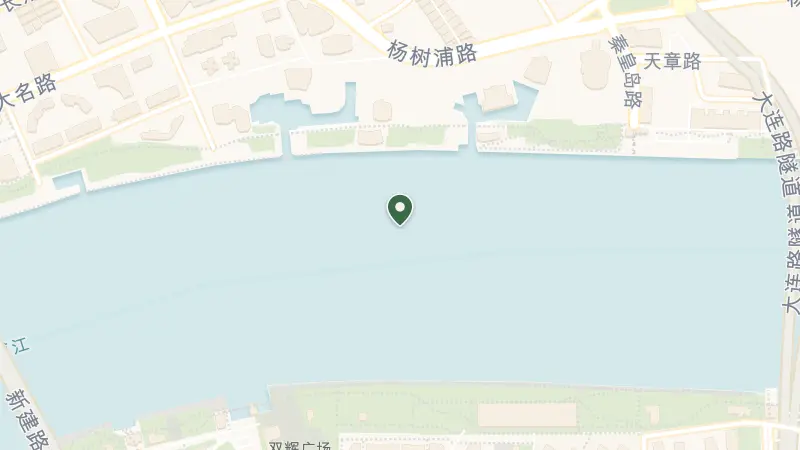
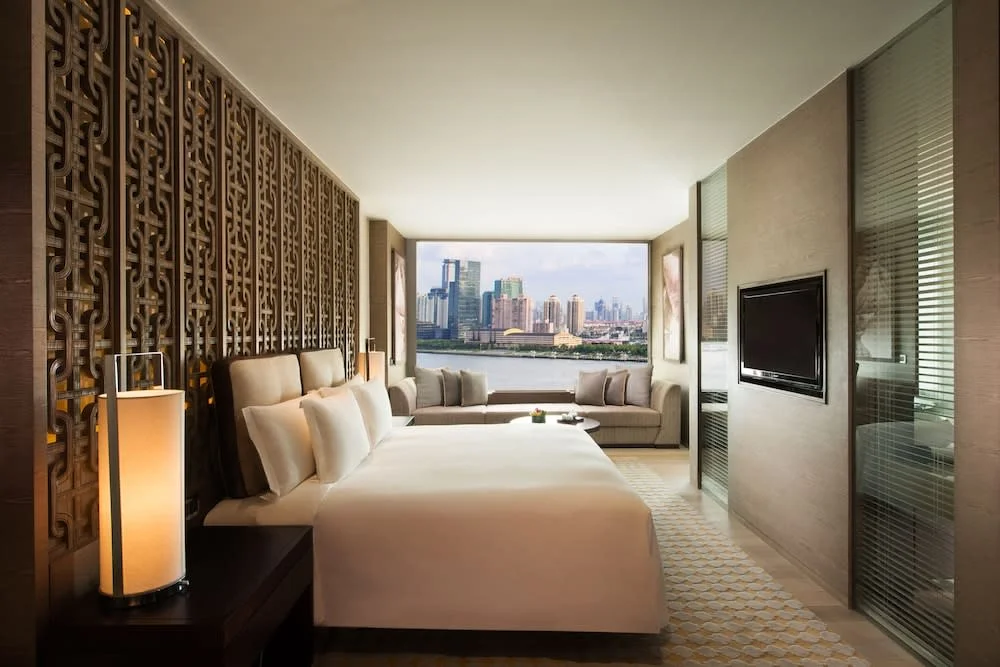
Banyan Tree brings its signature spa heritage and conservation philosophy to Shanghai, a city where sustainability meets urban ambition. The property sits in Lujiazui, the financial district on the eastern bank of the Huangpu River, where glass towers rise above the curve of the waterway and the hum of commerce fills the streets below.
Across the river lies the Bund, Shanghai's most storied waterfront promenade, where neoclassical banks and trading houses from the early 20th century stand testament to the city's concession-era past. The contrast between old and new defines the rhythm here: colonial facades meet futuristic skylines, art deco detailing gives way to LED-lit observation decks. Walking distance south, Yuyuan Garden offers Ming Dynasty pavilions and rockeries, while the French Concession's plane-tree boulevards hold converted shikumen lane houses now filled with boutiques and cafés.
Shanghai Hongqiao International Airport lies 17 kilometres west, connected by metro and taxi. Pudong International Airport sits 31 kilometres east, with the Maglev train covering much of the distance in eight minutes before transferring to the metro network.
Shanghai's dining scene rewards ambition. Taian Table, Stefan Stiller's three-Michelin-starred counter-only concept eight kilometres away, cycles through a new ten- or twelve-course menu every few weeks, with island seating that puts every guest within arm's reach of the chefs. Closer in, Imperial Treasure Fine Chinese Cuisine holds two stars for Cantonese dim sum and barbecued meats in crystal-draped interiors, while 8 ½ Otto e Mezzo Bombana, also two-starred, pairs Italian precision with a glazed wine cellar and balcony views that justify the two-kilometre detour. Book early for counter seats at Taian Table.
The Bund itself, a kilometre west across the river, remains Shanghai's most compelling walk: a parade of 1920s banking palaces turned boutiques and rooftop bars, best at dusk when the Lujiazui lights ignite. The Clothing Market, under three kilometres north, trades in wholesale fabrics and knock-off streetwear, a contrast to the gloss of Nanjing Road's department stores. For something greener, the Jiuduansha Wetland National Nature Reserve sprawls along the Yangtze estuary forty-nine kilometres northeast, a tidal staging ground for migratory cranes and spoonbills.
Spring arrives in fits: March brings mist and drizzle, April turns warmer but stays damp, and by May the plane trees canopy the streets in full leaf. Summer is the wettest season, June especially, when humidity thickens the air and sudden downpours clear the pavements. July and August turn hotter, the light harsh and bright against glass towers.
Autumn offers the best conditions for walking the city. September cools gradually, October brings crisp mornings and golden light, and by November the air turns sharp and dry.
Winter is cold and grey, temperatures hovering just above freezing, though snow rarely falls. The city slows, the river wind bites, and indoor spaces take on a welcome warmth.
Frequently Asked Questions

Quotes are personally reviewed by Natasha Hardy, founder of The Uncommon Traveller
5.0 rating · 8 Google reviewsThere is no fee or markup. The hotel pays our commission.
Request a Quote 34 Bib Gourmand