Fairmont Peace Hotel on the Bund
When you book Fairmont Peace Hotel on the Bund in Shanghai, China, through our Accor Hera partnership, your stay includes daily breakfast for two and a $100 USD hotel credit. You also receive a room upgrade, early check-in and late check-out when available. You continue earning ALL Accor points and elite night credits. No premium credit card or membership needed: request a quote and our advisor books it at the same rate as booking direct.
Exclusive Booking Perks
These perks are included with your stay at the same rate as booking direct with the hotel.
- Daily complimentary breakfast for 2, per room
- $100 USD credit to be spent on property (conditions defined at check-in)
- Early check-in & late check-out (upon availability)
- Upgrade at time of check-in (upon availability)
Guest feedback
9.4/10 from 841 guest reviews
By category
Guests liked
- Great location
- Helpful staff
Points to consider
- High restaurant prices
- Some room quality issues
Location
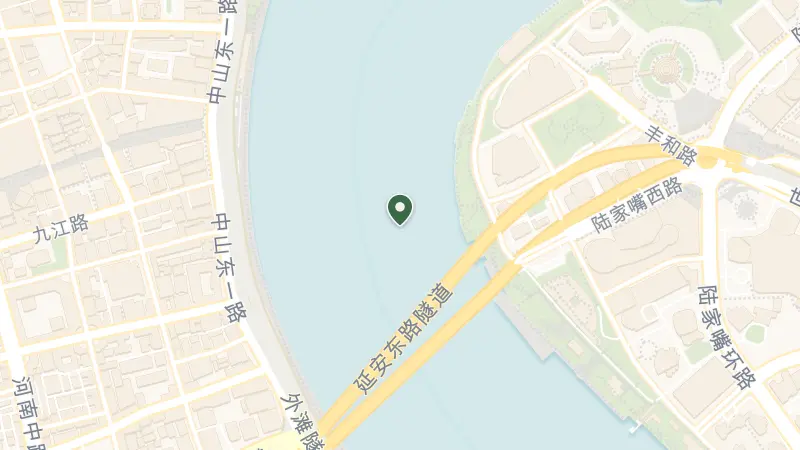
Fairmont's portfolio has long included properties where history and modern commerce intersect, and the Peace Hotel holds one of the most storied addresses on the Bund. The riverfront promenade stretches along the western bank of the Huangpu River, where 1920s and 1930s façades in Art Deco and Beaux-Arts styles frame what remains one of Asia's most recognisable skylines. The neon-lit towers of Pudong rise across the water, a constant reminder of Shanghai's double life as both inheritor of old treaty-port glamour and architect of China's present economic ambitions.
The Xinbeimen neighbourhood places you at the northern end of the Bund, close to Suzhou Creek and the Sichuan Road bridge. West Nanjing Road runs perpendicular to the river, a commercial artery lined with department stores, teahouses, and the occasional lane market selling produce and small goods. Pedestrian traffic thickens in the late afternoon as commuters stream toward the metro station at People's Square. The streets here smell of fried shallots and exhaust, and you'll hear Shanghainese spoken as often as Mandarin among the older vendors.
Shanghai Hongqiao International Airport lies 15 kilometres west; Pudong International is 32 kilometres to the east. The metro and taxi networks connect both efficiently, though allow extra time during morning and evening peaks.
Imperial Treasure Fine Chinese Cuisine sits just six hundred metres from the property, its two Michelin stars earned through precisely crafted dim sum and Cantonese seafood repertory. The black-and-crystal interior sets the tone before the first basket arrives. Slightly farther, at eight hundred thirty metres, 8 ½ Otto e Mezzo Bombana offers Italian cooking with balcony views across the river and a glazed wine cellar that commands as much attention as the plates. For a longer journey, Taian Table holds three stars six kilometres away, where chef Stefan Stiller presents ten or twelve courses around an island counter that puts every diner close to the action.
Beyond dining, the Bund delivers architecture as narrative: each building along the waterfront carries a specific history, from banking halls to gentlemen's clubs, now repurposed but intact. Book a table at one of the starred restaurants early in your stay, then spend the following days threading through the fabric of the city. The Clothing Market and Korean Fashion Market, both within two kilometres, reveal how Shanghai shops when tourists aren't watching. Marriage Market in People's Park, just over two kilometres distant, gathers parents seeking matches for their children every weekend, a window into family life the guidebooks skim past.
Winter hovers between freezing and seven degrees, the air dry and sharp. The city slows slightly in January and February, though the Bund remains busy. Bare plane trees line the streets, and indoor spaces feel warmer by contrast.
Spring unfolds quickly from March onward, temperatures climbing into the mid-teens and then low twenties by May. Rain becomes frequent, the air humid and close. Wisteria blooms in lane courtyards, and locals move their dining chairs outdoors again. The plum rains arrive in June, a prolonged period of overcast skies and relentless drizzle.
Summer peaks in July and August, heat and humidity pressing down until the streets feel like a wet towel. September offers the best window: temperatures ease into the high twenties, the air clears, and the light turns golden along the river. October extends the reprieve before November ushers in cooler, drier days and the year completes its arc.
Frequently Asked Questions

Quotes are personally reviewed by Natasha Hardy, founder of The Uncommon Traveller
5.0 rating · 8 Google reviewsThere is no fee or markup. The hotel pays our commission.
Request a Quote 34 Bib Gourmand