The Portman Ritz-Carlton, Shanghai
When you book The Portman Ritz-Carlton, Shanghai in China, through our Marriott STARS partnership, your stay includes daily breakfast for two and a $100 USD hotel credit once per stay. You also receive a room upgrade, early check-in and late check-out when available. You continue earning Marriott Bonvoy points and elite night credits. No premium credit card or membership needed: request a quote and our advisor books it at the same rate as booking direct.
Exclusive Booking Perks
These perks are included with your stay at the same rate as booking direct with the hotel.
- Personalized and customized amenity
- Complimentary breakfast daily for two guests per room
- All STARS hotels offer a hotel credit valued at $100 USD (once per stay)
- Early check-in and late check-out (when available)
- Complimentary upgrade (if available at check-in)
Location
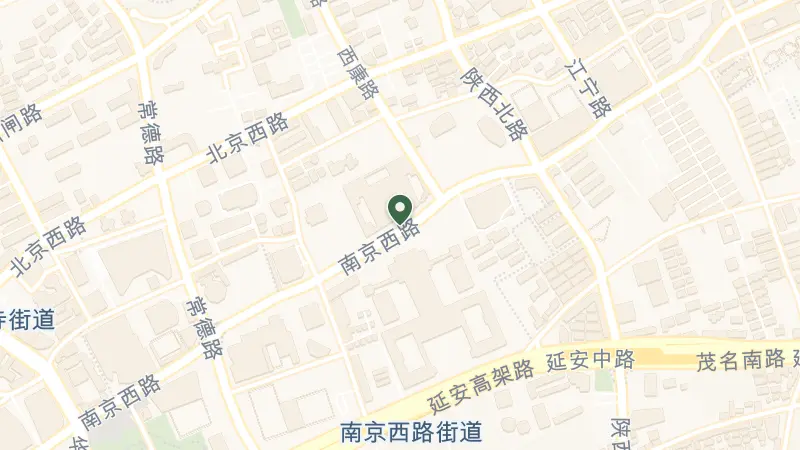
Ritz-Carlton properties share a commitment to personal service rooted in the brand's founding philosophy: each stay shaped by attentive staff who remember preferences across continents, Club Lounges that function as private refuges, and a consistency of execution that translates seamlessly whether the address is Shanghai or San Francisco. The hotel anchors itself on Nanjing Xilu, Shanghai's central artery of commerce and aspiration, where glass towers crowd the skyline and the sidewalks pulse with the energy of a city perpetually reinventing itself. The neighbourhood hums with department stores, flagship boutiques, and the clatter of construction that never quite stops.
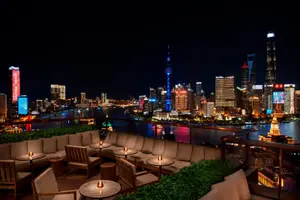
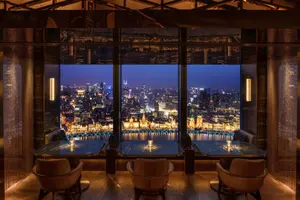
Walk west and you reach Jing'an Temple, its gilded eaves incongruous against the surrounding steel and LED screens, incense smoke threading through the exhaust fumes. East lies People's Square, the geometric heart of municipal power and the Shanghai Museum's collection of bronzes and calligraphy. The Bund stretches south along the Huangpu River, its parade of neoclassical facades facing the needle-sharp skyline of Pudong across the water. This is Shanghai at its most unapologetically modern, a metropolis where the 19th-century treaty port legacy collides with 21st-century ambition.
Shanghai Hongqiao International Airport sits eleven kilometres west, a quick taxi ride or metro connection. Shanghai Pudong International Airport, thirty-five kilometres east, serves most international arrivals via expressway or the Maglev train that covers the distance in minutes, a fitting introduction to a city built on speed.
Tou Zao, the property's Cantonese dining room, earned two Michelin stars for wok hei that few kitchens in Shanghai can match. The chef commands heat with precision that borders on performance, each dish emerging with the breath of the wok still clinging to greens and seafood. Three hundred metres away, The House of Rong presents Taizhou specialties in rooms adorned with Pei's original architectural drawings, a dining experience inseparable from its mansion setting. Book a table at Taian Table, Stefan Stiller's three-starred counter dining concept, for an island stage where ten or twelve courses unfold in direct view; the menu shifts every few weeks, ensuring regularity never dulls invention.
People's Park offers morning tai chi practitioners and the infamous Marriage Market, where parents gather each weekend displaying résumés for unmarried children. Clothing markets stretch three and a half kilometres southeast, while Tianshan Tea City, four kilometres west, trades in oolong and pu-erh from across the country. The Classical Gardens of Suzhou, acknowledged masterworks of Chinese landscape miniaturization, lie ninety-five kilometres west for those with a day to spare.
Spring arrives with pollen and drizzle, temperatures climbing from cool mornings into mild afternoons. The city shakes off winter's grey pallor, magnolia blossoms appearing in parks before the humidity descends. March and April bring frequent rain but also the best light for photography, the sky scrubbed clean between showers.
Summer turns oppressive by June: heat that clings to your skin, sudden downpours that flood sidewalks and send everyone scrambling under awnings. Air conditioning becomes non-negotiable. August offers no mercy. The rhythm of the city shifts indoors, shopping malls and museums packed with locals escaping the furnace outside.
Autumn, particularly October and November, delivers the most comfortable window for exploration. Temperatures drop into the low twenties, humidity retreats, and the plane trees lining the French Concession glow amber in slanted afternoon light. Winter hovers just above freezing, overcast more often than not, but crowds thin and the city's museums and restaurants feel more accessible.
Frequently Asked Questions

Quotes are personally reviewed by Natasha Hardy, founder of The Uncommon Traveller
5.0 rating · 8 Google reviewsThere is no fee or markup. The hotel pays our commission.
Request a Quote 34 Bib Gourmand