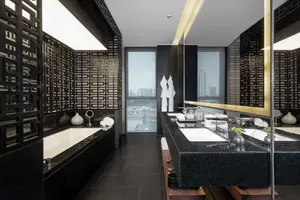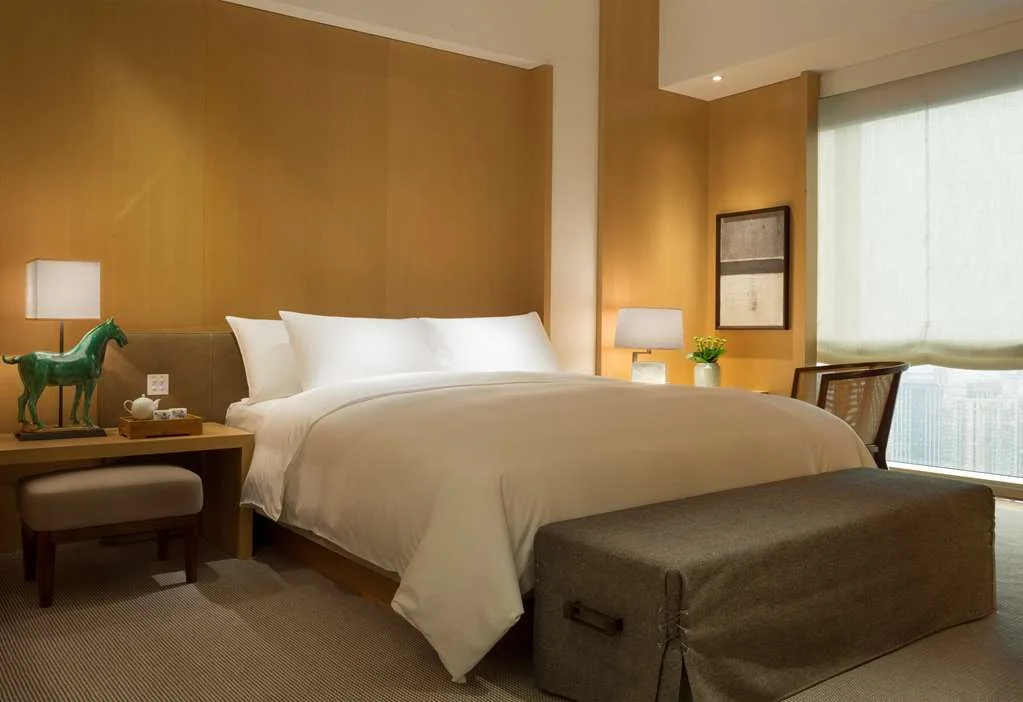
Grand Hyatt Chengdu
When you book Grand Hyatt Chengdu in China through our Hyatt Privé partnership, your stay includes daily full breakfast for up to two guests and a property credit. You also receive a priority room upgrade, early check-in and late check-out when available. You continue earning World of Hyatt points and elite night credits. No premium credit card or membership needed: request a quote and our advisor books it at the same rate as booking direct.
Exclusive Booking Perks
These perks are included with your stay at the same rate as booking direct with the hotel.
- Welcome amenity provided to guests upon arrival.
- Daily complimentary full breakfast at a hotel restaurant for up to two guests.
- Property credit (value varies by property).
- Priority for room upgrade (response within 24 hours of booking, subject to forecasted occupancy).
- Early check-in/late check-out/connecting rooms (response within 24 hours of request, subject to forecasted occupancy).
Guest feedback
9.2/10 from 57 guest reviews
Read what guests commentedBy category
Guests liked
- Great location
- Connecting rooms were provided as requested
Points to consider
- Inadequate food quality
- Staff behavior in restaurant was unprofessional
Location
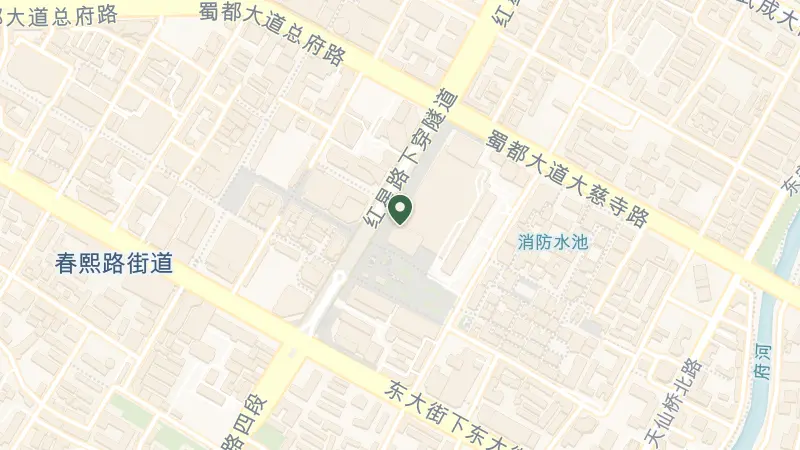
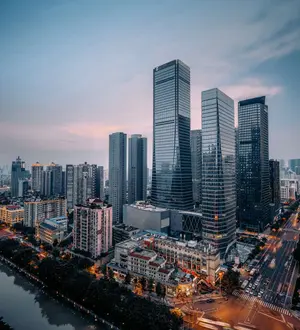
Grand Hyatt properties deliver large-scale luxury with bold contemporary design, multiple dining venues, and the breadth of amenity that suits extended stays and business travel alike. In Chengdu, that translates to a central address on the edge of Chunxi Road, the capital of Sichuan province and one of China's most dynamic inland cities. This is a metropolis that has perfected the balance between tradition and velocity: ancient teahouse culture persists alongside a shopping district that thrums with energy from dawn to long past dark.
Chunxi Road itself is a pedestrianized artery lined with more than 700 shops, from sleek malls to street stalls, department stores to independent boutiques. The neighbouring Yanshikou commercial circle extends the retail sprawl, and Metro Lines 2 and 3 funnel shoppers and office workers through the district at all hours. The air smells of malatang and chilli oil even on the main drags, a reminder that Sichuan's culinary traditions don't yield to modernity so much as absorb it.
The property sits seventeen kilometres from Chengdu Shuangliu International Airport, a straightforward taxi or rail connection through the city's efficient transport network. Tianfu International, the newer hub fifty-two kilometres southeast, handles some international routes, but Shuangliu remains the principal gateway for most travellers arriving in the province.
The Hall, just 266 metres from the property, occupies a heritage building from the 1730s and holds one Michelin star for its European contemporary menu served beneath original brick vaults and perforated wood shutters. It is the first Louis Vuitton restaurant in China, and the courtyard tables fill quickly during mild evenings. For Sichuanese cooking elevated to haute cuisine, book a table at Yu Zhi Lan, 2.5 kilometres away, where chef-owner Lan Guijun prepares two-Michelin-starred meals in a rustic dining room dotted with his own ceramic work. The quaint space has no signage; foodies find it by reputation alone. Xin Rong Ji, an upmarket Taizhou seafood specialist with three stars, lies 8.4 kilometres out and flies in ingredients daily to match its views of the Twin Towers.
The Dujiangyan Irrigation System, a UNESCO-listed marvel of third-century engineering, still controls the waters of the Minjiang River fifty-nine kilometres northwest. Mount Qingcheng, inscribed alongside it, rises beyond the plain, its mist-wrapped slopes sacred to Daoist tradition. Closer in, Kowloon Plaza and Dacheng Market offer morning crowds, seasonal produce, and the full sensory theatre of a working Sichuanese market.
Winter is dry and surprisingly mild for an inland Chinese city. Daytime temperatures hover between nine and twelve degrees from December through February, with thin fog common in the mornings and almost no rain. The air feels still, the light flat and diffused.
Spring arrives abruptly in March, bringing warmth and the first substantial rains by April. Temperatures climb steadily into the mid-twenties by May, and the city's parks and temple gardens turn green and crowded with locals. Summer, from June through August, is humid and wet, with July averaging four hundred millimetres of precipitation. Thunderstorms roll through in the afternoons, and the streets steam.
Autumn is the ideal window. September and October bring cooler, drier air, temperatures in the low twenties, and the clearest skies of the year. November marks the shift back toward winter's pale stillness, but the crispness makes walking the city a pleasure before the cold fully settles in.
Frequently Asked Questions

Quotes are personally reviewed by Natasha Hardy, founder of The Uncommon Traveller
5.0 rating · 8 Google reviewsThere is no fee or markup. The hotel pays our commission.
Request a Quote 32 Bib Gourmand