Six Senses Qing Cheng Mountain
When you book Six Senses Qing Cheng Mountain in Chengdu, China, through our IHG Destined partnership, your stay includes daily breakfast for two and a $100 USD hotel credit per stay. You also receive a room upgrade when available. You continue earning IHG One Rewards points and elite night credits. No premium credit card or membership needed: request a quote and our advisor books it at the same rate as booking direct.
Exclusive Booking Perks
These perks are included with your stay at the same rate as booking direct with the hotel.
- $100 USD (or local currency equivalent) hotel credit per stay
- Daily complimentary breakfast for 2 guests (full or continental, depending on the hotel)
- Complimentary room upgrade (subject to availability)
- Local welcome amenity
- Early check-in / late check-out (subject to availability)
Guest feedback
8.6/10 from 96 guest reviews
By category
Guests liked
- Great location
- Friendly and professional staff
Points to consider
- Need for room and facility updates
- Dimensions of service may vary
Location
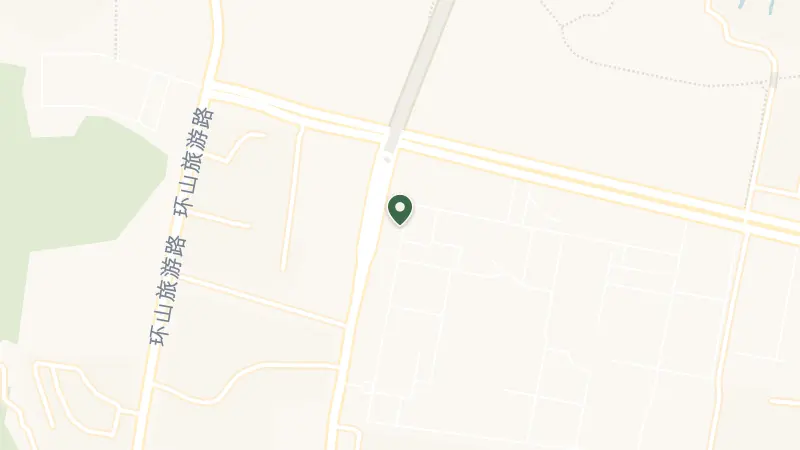
Six Senses brings its signature blend of sustainable luxury and wellness-focused design to the foothills of Mount Qingcheng, where organic gardens and spa rituals root the property in the brand's philosophy of indulgence with purpose. The architecture minimizes environmental impact while drawing the sacred mountain landscape into every sightline, a balance of restraint and immersion that defines the Six Senses approach.
Mount Qingcheng rises just beyond the property, its 36 peaks cloaked in mist and legend. This is one of the birthplaces of Taoism, a mountain where the Yellow Emperor is said to have studied with the sage Ning Fengzi, and where monasteries and temples have clung to forested slopes for centuries. The UNESCO-listed site shares its World Heritage designation with the Dujiangyan Irrigation System, a 3rd-century BC engineering marvel that still channels the Minjiang River across the Chengdu plain. The air here carries the scent of incense and pine, the trails wind past pavilions and monks, and the rhythm slows to something older than the city.
Chengdu Shuangliu International Airport lies 50 kilometres southeast, a drive that traces the edge of the fertile plain before climbing into the mountains. Chengdu Tianfu International Airport, the newer gateway, sits twice the distance but offers expanded connections for international arrivals.
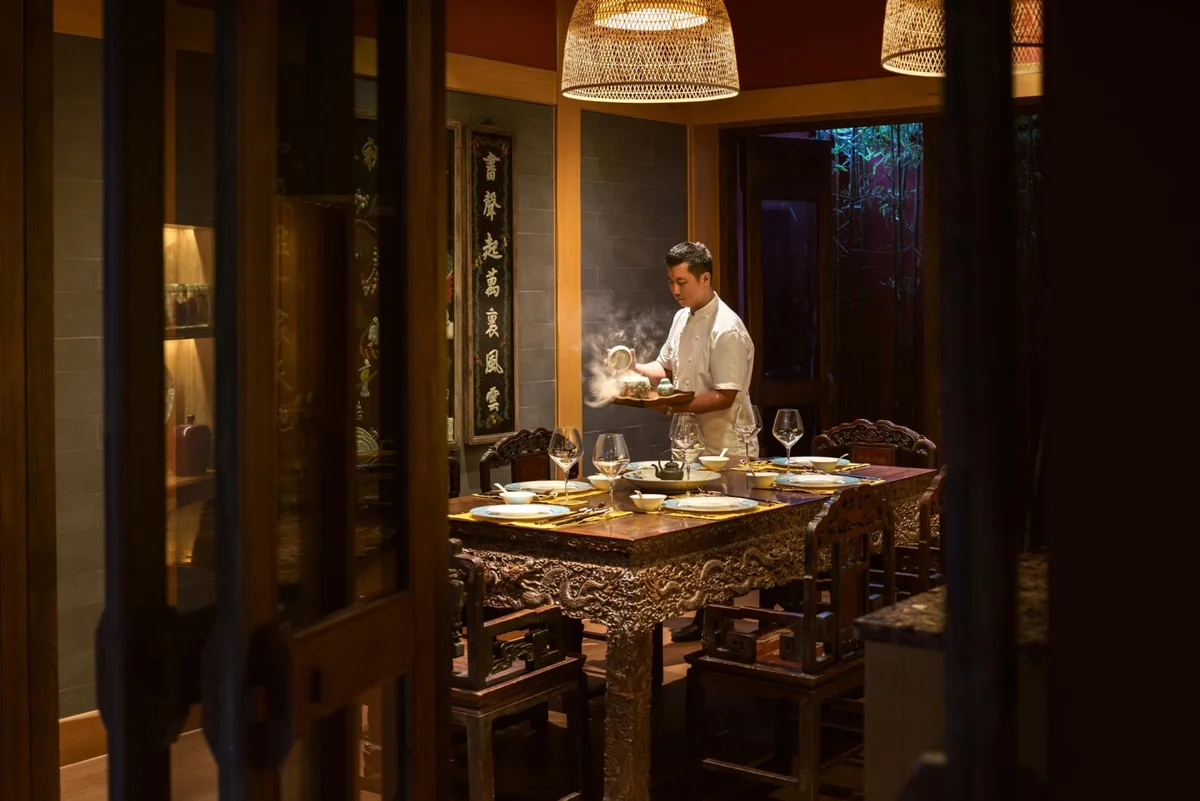
The property's dining draws from its own organic gardens, but the region's culinary reputation reaches far beyond the grounds. Fu Rong Huang, a one-Michelin-starred Sichuanese restaurant 47 kilometres away, stages traditional dishes behind wooden slatted partitions, privacy and painstaking technique in equal measure. Fang Xiang Jing, also one-starred and set in a stone garden nearly 50 kilometres distant, offers private rooms only and a kitchen devoted to reviving nostalgic Sichuanese recipes. Book a table at either for ma la heat and the layered funk of fermented broad beans, flavours that require both patience and precision.
The front mountain trails of Mount Qingcheng begin just over three kilometres from the property, a forested ascent past Taoist temples and stone staircases where pilgrims have walked for millennia. The back mountain, more rugged and less trafficked, lies 11 kilometres out. Dujiangyan Giant Panda Center sits within the same UNESCO zone, a conservation site where boardwalks thread through bamboo groves and breeding enclosures. The irrigation system itself, 12 kilometres from the hotel, still functions as it did 2,300 years ago, a system of channels and levees that turned floodplain into farmland. Start with the front mountain at dawn, when mist clings to the peaks and the only sound is chanting from the monasteries above.
Spring arrives slowly, the air warming through March and April as tea bushes leaf out on the lower slopes. Trails fill with wildflowers, and the light takes on a soft, diffused quality that flatters the stone temples. May brings the first monsoon rains, a prelude to the deluge of summer.
June through August drown the region in humidity and afternoon downpours, the monsoon at its fullest. The mountains disappear behind cloud, the trails turn slick, and the air hangs heavy with moisture. This is the season to linger indoors, though morning hikes before the rains break can feel otherworldly, the forest dripping and silent.
Autumn is the ideal window, October especially, when skies clear and temperatures settle into the low twenties. The light sharpens, the crowds thin after Golden Week, and the trails offer the mountain at its most legible. Winter turns cold but dry, the peaks dusted with frost and the monasteries stark against blue sky.
Frequently Asked Questions

Quotes are personally reviewed by Natasha Hardy, founder of The Uncommon Traveller
5.0 rating · 8 Google reviewsThere is no fee or markup. The hotel pays our commission.
Request a Quote 5 Bib Gourmand