The Langbo Chengdu in the Unbound Collection by Hyatt
When you book The Langbo Chengdu in the Unbound Collection by Hyatt in China through our Hyatt Privé partnership, your stay includes daily full breakfast for up to two guests and a property credit. You also receive a priority room upgrade when available. No premium credit card or membership needed: request a quote and our advisor books it at the same rate as booking direct.
Exclusive Booking Perks
These perks are included with your stay at the same rate as booking direct with the hotel.
- Welcome amenity provided to guests upon arrival.
- Daily complimentary full breakfast at a hotel restaurant for up to two guests.
- Property credit (value varies by property).
- Priority for room upgrade (response within 24 hours of booking, subject to forecasted occupancy).
- Early check-in/late check-out/connecting rooms (response within 24 hours of request, subject to forecasted occupancy).
Location
Hyatt's global portfolio spans multiple service tiers and geographies, with the Unbound Collection representing independently spirited properties that retain their distinctive character within the larger framework. Chengdu, the capital of Sichuan Province, is a city where ancient tea culture meets a contemporary dining scene that has earned it UNESCO recognition as a City of Gastronomy. The streets hum with the dialect of over twenty million residents, punctuated by the clatter of mahjong tiles in open-air teahouses and the sizzle of chili oil in countless hotpot restaurants. The pace here is famously leisurely, a counterpoint to the frenetic energy of China's eastern megacities.
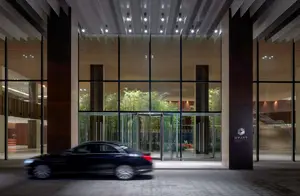
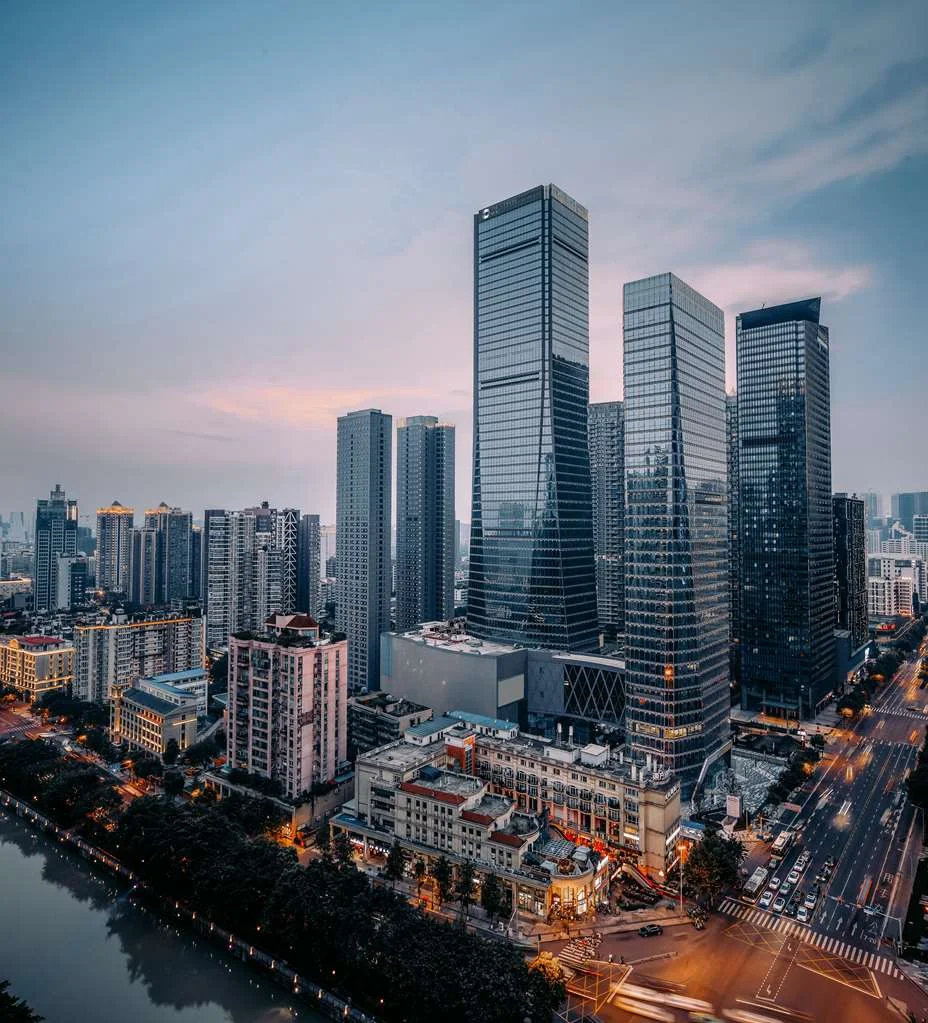
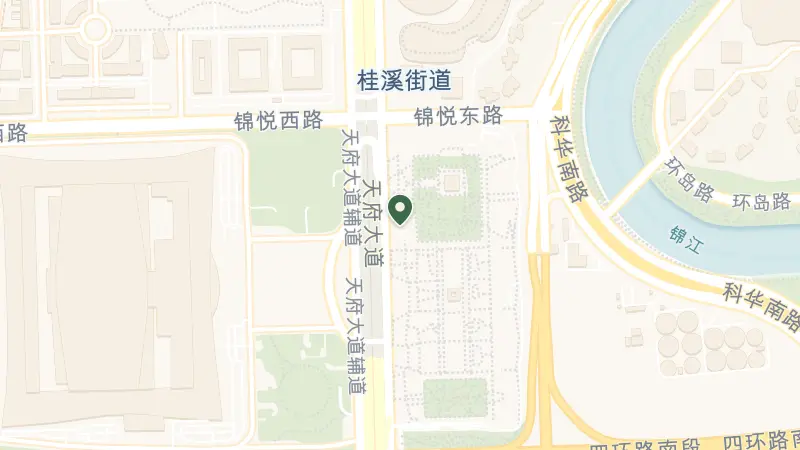
The property sits in the Jiaozi Gongyuan area of the Guixi district, near the serene expanse of Jiaozi Park and within view of the Twin Towers that anchor this section of the cityscape. The neighbourhood offers a mix of waterfront green space and urban convenience, with the Xin River threading through the broader region. This is residential Chengdu at a comfortable remove from the historic core, yet connected to the city's cultural and culinary landmarks.
Chengdu Shuangliu International Airport lies twelve kilometres away, linked by metro and taxi services that navigate the city's efficient grid. The newer Tianfu International Airport, forty-six kilometres distant, serves as an alternative gateway for international arrivals.
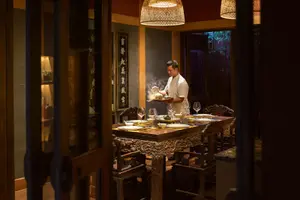
On-site, Xin Rong Ji holds three Michelin stars for Taizhou-style cooking, ingredients flown in daily to ensure the premium quality that commands views of the Twin Towers from a spacious dining room divided into distinct areas. A short drive brings you to Co-, a one-star table 1.4 kilometres away where the chef's extensive travels translate into a multicourse tasting menu that applies modern techniques to seasonal produce from across China. Ten kilometres northwest, Yu Zhi Lan occupies a quaint rustic room dotted with ceramic art made by owner-chef Lan Guijun himself, the local legend who elevated Sichuanese cooking to haute cuisine without needing signage; foodies always find their way to his low-key private dining concept.
Beyond the table, the Yimin Marketplace four kilometres away pulses with vendors hawking fresh Sichuan peppercorns, bundles of garlic shoots, and live fish thrashing in plastic tubs. Book a driver for the 65-kilometre journey to the Dujiangyan Irrigation System, a third-century engineering marvel still controlling the Minjiang River's flow across the fertile plain, or continue to the mist-wrapped slopes of Mount Qingcheng where Taoist temples cling to forested ridges.
Winter (December through February) brings crisp mornings with temperatures between two and twelve degrees, the air sharp and dry under pale skies. The city slows further, and hotpot restaurants fill earlier in the evening as locals seek warmth in communal dining.
Spring arrives gradually, March through May warming from nine to twenty-seven degrees, the humidity rising as plum blossoms give way to the lush green that softens the urban landscape. This is Chengdu's gentlest season, ideal for walking the riverside paths and visiting the heritage sites before summer's monsoon rains arrive.
June through September is monsoon season, with July's four hundred millimetres of rainfall turning streets glossy and courtyards fragrant with damp earth. Temperatures plateau near thirty degrees, the air thick and close. October and November offer relief: clear skies return, the heat recedes to the low twenties, and the city's outdoor teahouses fill again with locals playing cards beneath the plane trees.
Frequently Asked Questions

Quotes are personally reviewed by Natasha Hardy, founder of The Uncommon Traveller
5.0 rating · 8 Google reviewsThere is no fee or markup. The hotel pays our commission.
Request a Quote 32 Bib Gourmand