Shangri-La Chengdu
When you book Shangri-La Chengdu in China through our Shangri-La Luxury Circle partnership, your stay includes full breakfast for two and a hotel credit of USD $50 or $100 once per stay. You also receive a one-category room upgrade, early check-in and late check-out when available. No premium credit card or membership needed: request a quote and our advisor books it at the same rate as booking direct.
Exclusive Booking Perks
These perks are included with your stay at the same rate as booking direct with the hotel.
- Upgrade to the next room type category at the time of booking, subject to availability
- Hotel credit of USD $50 or $100 (once per stay)
- Complimentary full breakfast for two, including in-room dining
- A VIP Welcome Amenity
- Early check-in and late check-out, subject to availability
Guest feedback
9.8/10 from 390 guest reviews
By category
Guests liked
- Exceptional service
- Great location
- Spacious rooms
Points to consider
- Strong odor in some rooms
- Unhelpful front desk service
Location
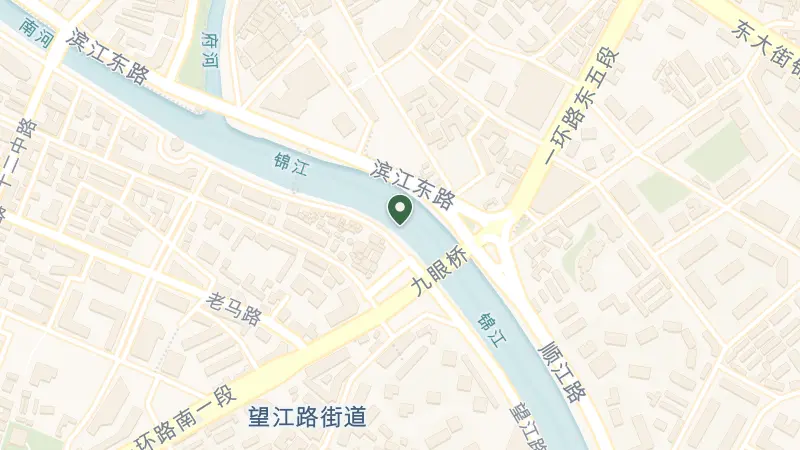
Shangri-La brings its signature Asian hospitality and CHI wellness philosophy to Chengdu, a city where ancient teahouse culture meets the urgency of modern Sichuan. The property sits in Wangjianglu, a central district that places you within walking distance of the Jin River and the rhythm of daily life in this provincial capital. Chengdu moves at its own tempo, slower than Beijing or Shanghai, with a culinary obsession that runs deep. Teahouses spill onto pavements, mahjong tiles clatter in bamboo-shaded parks, and the scent of Sichuan peppercorn drifts from doorways at all hours.
The city's identity is inseparable from its food. This is the birthplace of mapo tofu, dan dan noodles, and hot pot that numbs the tongue before the heat arrives. Chengdu people take their leisure seriously, a philosophy summed up in the local saying about comfort and ease. The streets around Wangjianglu mix low-rise residential blocks with newer commercial towers, and the Jin River provides a green corridor through the urban sprawl.
Chengdu Shuangliu International Airport lies 16 kilometres southwest, connected by metro and taxi. The newer Tianfu International Airport, 50 kilometres out, serves long-haul routes. Both feed into a city that has become the gateway to Tibet and the springboard for exploring Sichuan's mountainous west.
Xu's Cuisine, 420 metres from the hotel, serves the kind of elevated Sichuan cooking that made this chain a local institution. The live fish tank by the entrance signals the kitchen's focus: river and sea fish reimagined through a Sichuan lens, with enough regional variety to keep the menu unpredictable. Further afield, Yu Zhi Lan, four kilometres away, occupies a different realm entirely. Chef Lan Guijun's two-Michelin-starred private dining concept dispenses with signage because devoted food lovers find it anyway. The quaint room, dotted with ceramics the chef made himself, serves Sichuanese haute cuisine that redefined what the province's cooking could be. For Taizhou seafood flown in fresh and served with views of the Twin Towers, Xin Rong Ji holds three stars seven kilometres north.
Markets anchor daily life here. Yimin Marketplace, four kilometres out, offers the essential Chengdu experience: vendors haggling over winter vegetables, bundles of fresh herbs for hotpot, and the perpetual hum of neighbourhood commerce. Book a table at Yu Zhi Lan well ahead; availability is limited and demand relentless. The Dujiangyan Irrigation System, a UNESCO site 61 kilometres northwest, still channels the Minjiang River across the Chengdu plain, an engineering feat from the third century BC that remains functional today.
Winter arrives cool and grey, temperatures hovering between two and twelve degrees from December through February. The city takes on a muted quality under persistent cloud cover, but teahouses stay full and hot pot restaurants pack in locals seeking warmth. Spring warms gradually, reaching the low twenties by April, with blossoms appearing in parks and along the Jin River.
May through September brings the wet season, with July's monsoon rains drenching the city most afternoons. Temperatures stay in the high twenties, the air thick and humid. Street life adapts, umbrellas appear, and covered markets become the centre of daily commerce.
Autumn is Chengdu's finest season. October and November bring clear skies, comfortable temperatures in the mid-teens to low twenties, and the best visibility for day trips to surrounding mountains. The city shakes off the summer humidity and teahouse patios fill again with regulars nursing endless cups of jasmine tea.
Frequently Asked Questions

Quotes are personally reviewed by Natasha Hardy, founder of The Uncommon Traveller
5.0 rating · 8 Google reviewsThere is no fee or markup. The hotel pays our commission.
Request a Quote 32 Bib Gourmand