Baur au Lac
When you book Baur au Lac in Zurich, Switzerland, through our Virtuoso partnership, your stay includes daily buffet breakfast for up to two guests and a $100 USD food and beverage credit. You also receive a room upgrade, early check-in and late check-out when available. No premium credit card or membership needed: request a quote and our advisor books it at the same rate as booking direct.
Exclusive Booking Perks
These perks are included with your stay at the same rate as booking direct with the hotel.
- Upgrade on arrival, subject to availability
- Daily Buffet breakfast for up to two guests per bedroom, served in the restaurant
- $100 USD equivalent Food & Beverage credit utilized during stay
- Surprised welcome amenity
- Guaranteed connecting rooms upon booking
- Early Check-In / Late Check-Out, subject to availability
Location
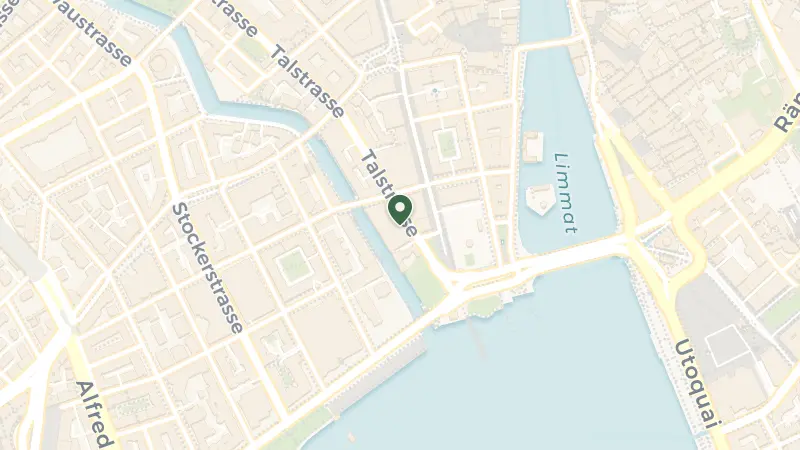
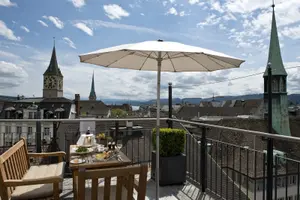
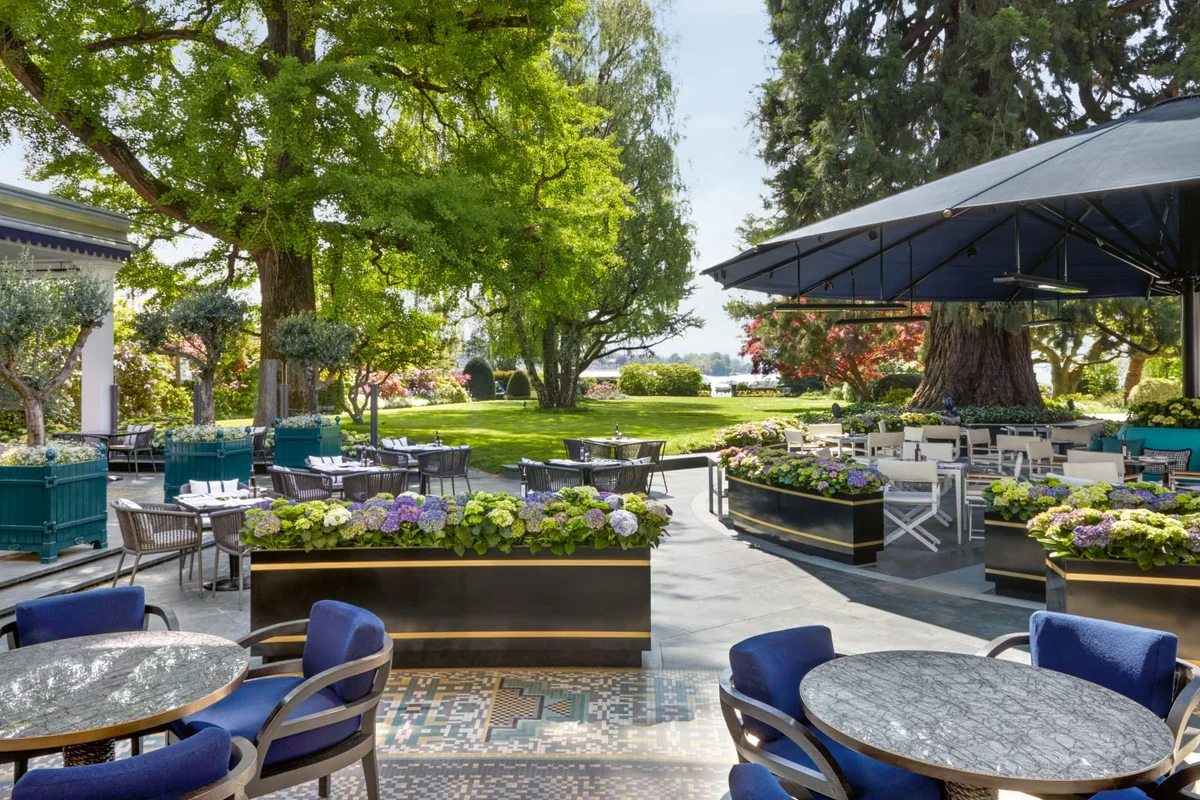
Baur au Lac occupies a rarefied position at the edge of Zurich's Altstadt, where centuries of banking discretion and cultural refinement have created a city that moves with quiet assurance. The property stands in private parkland between the medieval quarter and the northwestern shore of Lake Zurich, a setting that captures the duality of Switzerland's financial capital: historic guild houses and narrow cobbled lanes rise to the west, while the lake stretches south into mountain silhouette.
The Altstadt unfolds as a tapestry of Romanesque churches and Renaissance facades, their sandstone warming in afternoon light. Zurich's Roman foundations as Turicum remain visible in street patterns and excavated fragments, but it was Huldrych Zwingli's sixteenth-century reformation that shaped the city's sober Protestant character. Today that manifests as exceptional museum collections (the Kunsthaus holds Europe's finest Giacometti holdings alongside Old Masters), pristine public spaces, and a culture that values substance over spectacle.
Zürich Airport lies ten kilometres northeast, connected by rail in under fifteen minutes. The main station, Switzerland's busiest, anchors the northern edge of the Altstadt. Locals speak Züritüütsch, the Alemannic dialect that softens standard German into something altogether more melodic, though the city's international banking community ensures English flows easily in business districts and hospitality venues.
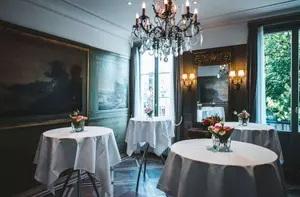
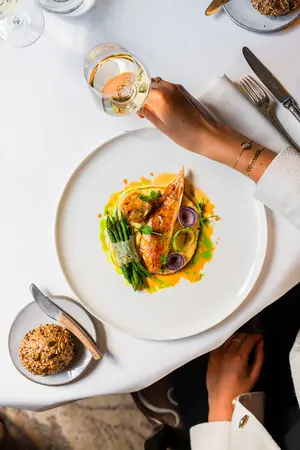
On-property dining moves between two registers: Baur's delivers international classics with the precision expected of a grand hotel brasserie, while Marguita channels Mediterranean glamour in a space that recalls the Riviera's golden age. Both draw on exceptional sourcing that Swiss supply chains make possible. Just five hundred metres into the Altstadt, the two-starred Widder Restaurant showcases Stefan Heilemann's technique-driven modern French cooking, where classic foundations meet contemporary international influences in a boutique hotel setting that mirrors Baur au Lac's own attention to detail.
The lake itself shapes daily rhythms. Enge marina sits eight hundred metres south along the shore, where sailboats tack across water that reflects the Glarus Alps on clear mornings. The Swiss National Museum, housed in a château-style building north of the station, traces Alpine cultural history through remarkable textile and armament collections. Book a table at Widder for an evening that justifies the short walk through medieval lanes, or simply follow the Limmat River as it drains the lake northward, past guild houses that once controlled Zurich's commerce and still host formal dinners in wood-panelled chambers unchanged since the 1600s.
Winter cloaks the city in sharp stillness, temperatures hovering just below freezing as lake mist softens the Altstadt's stone angles. January light arrives late and leaves early, but Christmas markets and museum-going thrive in the cold. Snow dusts the surrounding peaks, visible from every lakeside vantage.
Spring arrives gradually, temperatures climbing through single digits in March before reaching the mid-teens by May. The city sheds its winter reserve as café tables reappear along cobbled squares and sailboats return to the lake. Rain falls frequently, greening the parks and filling the alpine tributaries that feed Lake Zurich.
Summer peaks in the low twenties, warm enough for lake swimming at designated beaches but rarely oppressive. Long daylight hours extend into evening, when locals gather at waterfront restaurants and the mountains hold their outline against the western sky. September sustains the warmth before October signals a return to cooler, shorter days and the cycle begins again.
Frequently Asked Questions

Quotes are personally reviewed by Natasha Hardy, founder of The Uncommon Traveller
5.0 rating · 8 Google reviewsThere is no fee or markup. The hotel pays our commission.
Request a Quote 31 Bib Gourmand