Ca'n Beneït
When you book Ca'n Beneït in Mallorca, Spain, through our Tablet Plus partnership, your stay includes a 25 EUR hotel credit per stay and a welcome treat. You also receive a one-category room upgrade when available. No premium credit card or membership needed: request a quote and our advisor books it at the same rate as booking direct.
Exclusive Booking Perks
These perks are included with your stay at the same rate as booking direct with the hotel.
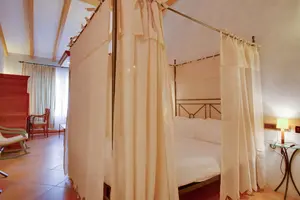
- Upgrade to next room category, based upon availability at check-in
- Complimentary bottle of wine in room on arrival
- Welcome treat in room on arrival
- 25 EUR hotel credit per room, per stay (valid towards incidentals)
Guest feedback
9.8/10 from 130 guest reviews
By category
Guests liked
- Amazing staff
- Delicious food
- Beautiful location
Points to consider
- Air conditioning issues
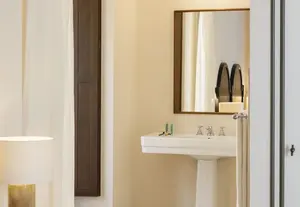
- Outdated bathroom
Location
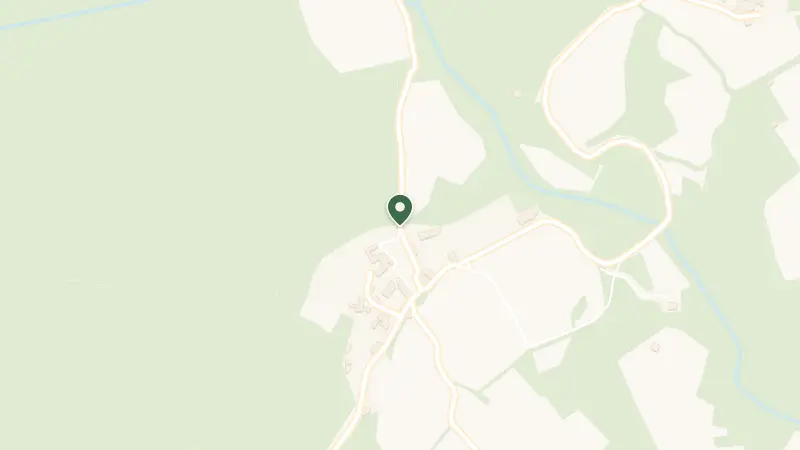
Ca'n Beneït sits in the village of Binibona, a scatter of honey-stone houses pressed against the northern slopes of the Serra de Tramuntana, where the mountains begin their descent toward the island's central plain. This is inland Mallorca at its quietest: dry-stone walls trace terraced olive groves, and the scent of wild rosemary thickens in the air as the sun climbs. The village belongs to the municipality of Caimari, known for its ancient olive mills and the pressed golden oil that still defines the local economy. A twenty-minute drive south brings you to the covered market at Mercat cobert in Inca, where vendors sell ensaïmades and sobrassada under vaulted ceilings.
The Serra de Tramuntana, a UNESCO World Heritage Cultural Landscape, rises immediately to the west. Millennia of terraced agriculture have shaped these limestone ridges into a monument of human persistence, where shepherds' paths and irrigation channels still follow medieval contours. The range runs parallel to Mallorca's northwestern coast, a sheer-sided backbone that catches Atlantic weather systems and wrings them dry over the valleys.
Palma de Mallorca Airport lies thirty kilometres south, a half-hour drive through the island's interior. The route passes almond orchards and the occasional finca before climbing into the foothills where Binibona clings to its quiet elevation.
The Tramuntana offers immediate access to footpaths threading through holm oak forests and past seasonal waterfalls: es Pixarell and Salt del Molinet both lie within eight kilometres, their limestone pools filling in the wet months and drying to white bone by July. Book a table at Fusion19 in Playa de Muro, seventeen kilometres northeast, where the single Michelin star signals a serious commitment to technique beneath the beach-town bustle. Closer still, the villages around Selva and Caimari harbour small wineries: bodegues Crestatx and Mortitx, both within ten kilometres, pour indigenous Mallorcan varietals in tasting rooms that overlook the vines. Start with a visit to the medieval town of Pollença, fifteen kilometres north, where the 365-step Calvari staircase climbs to a hilltop chapel and sweeping views of the bay.
For a more ambitious meal, drive forty-six kilometres northeast to Voro at Cap Vermell Grand Hotel, where two Michelin stars and a name derived from the Latin "to devour" signal a kitchen intent on global exploration. The northern coast delivers a string of beaches: Cala Tuent, Platja de Muro, and the quieter Platja del Corral d'en Bennàssar all sit within twenty kilometres, the Mediterranean shading from turquoise to cobalt over limestone shelves.
Summer arrives in June and holds through September, when temperatures climb into the high twenties and the island's interior bakes under a sky scrubbed clean of clouds. July and August bring barely a drop of rain; the air smells of dust and wild thyme, and the limestone of the Tramuntana reflects the heat in shimmering waves.
October marks the shift, with cooler evenings and the first autumn rains softening the landscape. Winter is mild by northern European standards, highs in the mid-teens, though the mountains can catch fog and the occasional sharp wind. The light turns slanted and golden, perfect for walking the sierra without the summer crowds.
Spring blooms early, almond blossoms appearing in February and carpeting the valleys in white by March. April and May bring wildflowers and the year's greenest light, temperatures rising steadily toward the dry heat of summer. This is the season for hiking the Tramuntana before the sun climbs too high.
Frequently Asked Questions

Quotes are personally reviewed by Natasha Hardy, founder of The Uncommon Traveller
5.0 rating · 8 Google reviewsThere is no fee or markup. The hotel pays our commission.
Request a Quote 2 Bib Gourmand