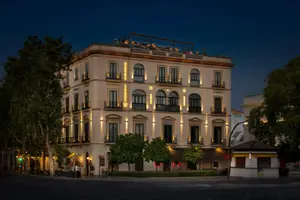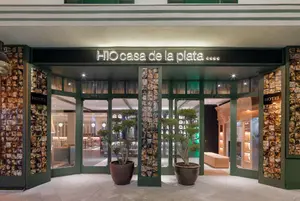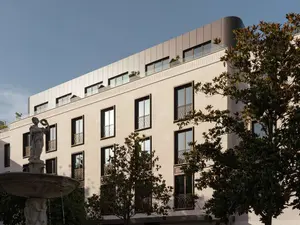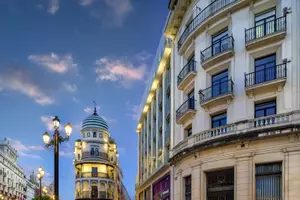
Hotel Mercer Sevilla 5 GL
When you book Hotel Mercer Sevilla 5 GL in Seville, Spain, through our Tablet Plus partnership, your stay includes a welcome treat. You also receive a one-category room upgrade and late check-out when available. No premium credit card or membership needed: request a quote and our advisor books it at the same rate as booking direct.
Exclusive Booking Perks
These perks are included with your stay at the same rate as booking direct with the hotel.
- Upgrade to next room category, based upon availability at check-in
- Guaranteed 2pm late check-out
- Complimentary welcome drink per guest, per stay
- Welcome treat in room on arrival
Guest feedback
9.8/10 from 307 guest reviews
Read what guests commentedBy category
Guests liked
- Excellent service
- Prime location
Points to consider
- Didn't use the restaurant
- None mentioned specifically
Location
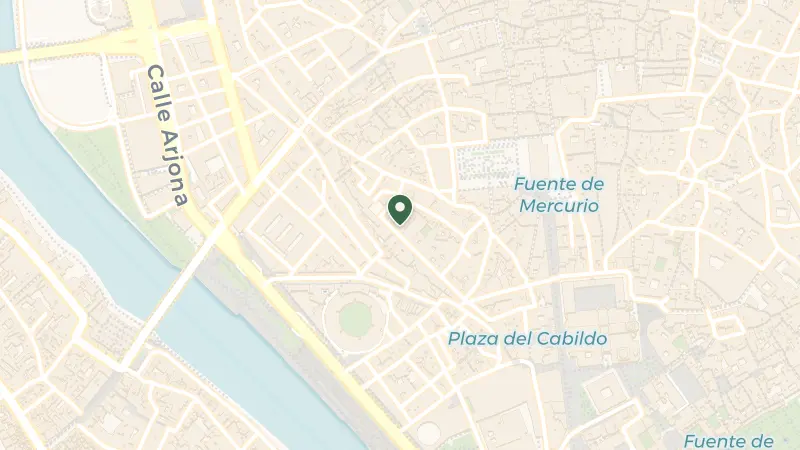
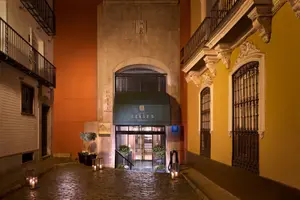
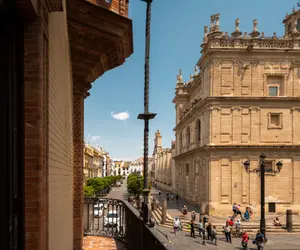
The hotel stands in El Arenal, a wedge of the Casco Antiguo where medieval Seville's mercantile heart still beats. The Guadalquivir curves past a few blocks west, its banks linked by stone bridges to the potters' quarter of Triana. This is the historic core that the Almohad caliphs fortified in the 12th century, later seized during the Reconquista and rebuilt with the confident architecture of a Castilian capital. Walk south and you reach the Cathedral and Alcázar within ten minutes, their mingled Moorish and Christian stonework testament to eight centuries of layered rule.
The streets around the property retain the grain of the old judería, narrow and shadow-cool even in high summer. Mercado del Arenal sits two hundred metres north, a tiled hall where vendors arrange anchovies and blood oranges each morning. The quarter has a lived-in quality that the more tourist-thronged lanes near the Giralda lack, with corner bars serving manzanilla at zinc counters and workshops restoring azulejo panels behind half-open doors.
Seville Airport lies ten kilometres northeast, a twenty-minute drive into the centre. The city's compact core rewards walking; most landmarks of consequence sit within a kilometre of this address.
Start your exploration at the Cathedral, Alcázar, and Archivo de Indias, a UNESCO-listed ensemble a kilometre south. The Alcázar's mudejar courtyards, with their carved plasterwork and reflecting pools, date to the 14th century and remain among Andalusia's finest examples of post-Reconquest Islamic-Christian synthesis. Book a table at Cañabota, eight hundred metres away, where a single Michelin star underscores seafood preparations that honour simplicity over flourish. The restaurant sits beside the Capilla de San Andrés, a chapel once patronized by the city's bread-makers' guild. For creative cooking with more pronounced ambition, Abantal holds a star 1.2 kilometres from the property, its name derived from the old Castilian word for apron.
Mercado de Triana, six hundred metres west across the river, offers the most atmospheric market hall in the city, its stalls heavy with paprika tins and cured mojama. The Roman ruins at Italica lie 7.4 kilometres north in Santiponce, where you can walk the amphitheatre floor and trace mosaic floors in aristocratic villas abandoned in the third century. Don't miss the Archivo de Indias if you have any curiosity about Spain's colonial apparatus; its shelves hold the bureaucratic paper trail of an empire.
Spring arrives with clarity and restrained warmth, temperatures climbing from the high teens in March to the mid-twenties by May. The light turns honeyed, the streets fill with orange blossom scent, and Semana Santa processions wind through the Casco Antiguo after dark. This is the season when Seville feels most itself, balanced between winter rain and summer blaze.
Summer is uncompromising. July and August see temperatures exceed thirty-six degrees, the air dry and still, the city emptying each afternoon as locals retreat indoors. Explore early or late; midday belongs to shuttered windows and ceiling fans. The rare rain that falls does so mostly between October and March, brief downpours that leave the cobbles gleaming.
Autumn stretches the pleasant weather into November, with daytime highs in the low twenties and evenings cool enough for a jacket. Winter remains mild, rarely dipping below seven degrees at night, though dampness can make it feel rawer than the numbers suggest.
Frequently Asked Questions

Quotes are personally reviewed by Natasha Hardy, founder of The Uncommon Traveller
5.0 rating · 8 Google reviewsThere is no fee or markup. The hotel pays our commission.
Request a Quote 3 Bib Gourmand