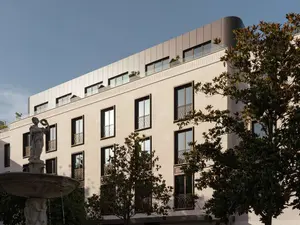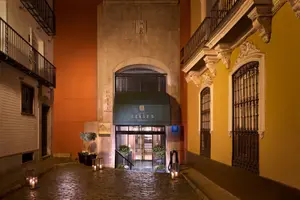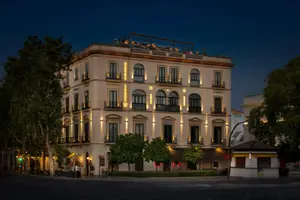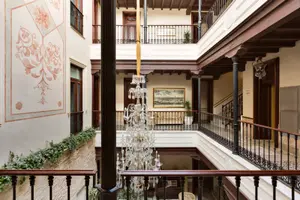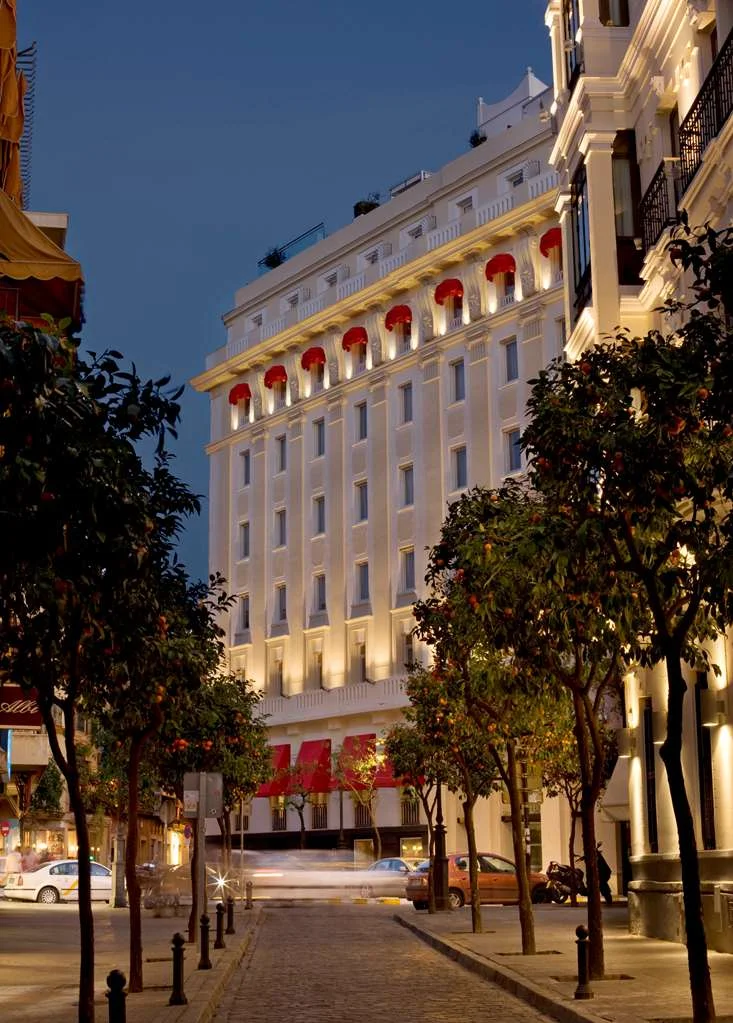
Hotel Colón Gran Meliá
When you book Hotel Colón Gran Meliá in Seville, Spain, through our MeliaPro Bravos partnership, your stay includes daily breakfast for two and welcome amenities. You also receive early check-in or late check-out when available. No premium credit card or membership needed: request a quote and our advisor books it at the same rate as booking direct.
Exclusive Booking Perks
These perks are included with your stay at the same rate as booking direct with the hotel.
- Daily breakfast for two/ room
- $100 USD hotel credit (once per stay), subject to a 3-nights minimum length of stay
- VIP welcome amenities
- Guaranteed early check-in at 10 a.m. OR late check-out at 4 p.m. at the time of reservation
- 20% extra MeliaRewards points per Suite or Villa booking.
- Priority on waitlists in sold-out situations
- Priority for requested room category, bed type, rollaway beds, and connecting rooms
Guest feedback
9.1/10 from 2,579 guest reviews
Read what guests commentedBy category
Guests liked
- Great location
- Helpful staff
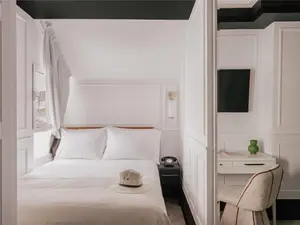
- Comfortable rooms
Points to consider
- Limited TV channels
- Cleaning issues in some areas
- Mixed value perception
Location
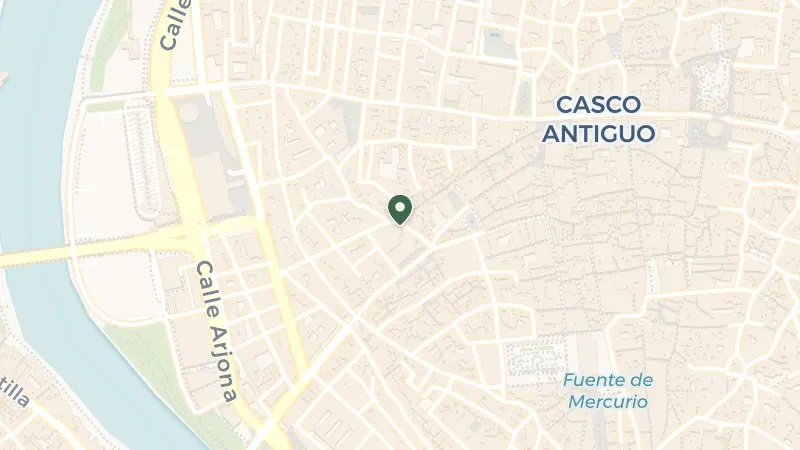
The hotel stands in the Casco Antiguo, Seville's old town, where narrow streets give way to sudden plazas and every corner holds centuries of layered history. This is the Museo district, named for the density of palaces and collections within its boundaries. The air smells of orange blossom in spring, of jasmine trailing over wrought-iron balconies, of churros frying in corner cafés. The Guadalquivir River runs just west, its banks lined with palm trees and bridged by arches that connect the old town to Triana's tile workshops and flamenco bars.
The cathedral looms a kilometre south, its Giralda tower visible from rooftops across the neighbourhood. The Reales Alcázares, a palace complex begun under the Moors and expanded by Christian kings, spreads its gardens nearby. Casa de Pilatos, a Renaissance palace from 1483, sits within walking distance, its courtyards paved in azulejos. This is the heart of a city that was Hispalis under Rome, Ishbiliyah under the Caliphate, and the gateway to the New World after 1492.
Seville Airport lies ten kilometres northeast, connected by taxi or bus in twenty minutes. The old town itself is best navigated on foot, its warren of streets too tight for anything but walking.
Cañabota, a one-Michelin-star seafood restaurant half a kilometre from the property, achieves excellence from apparent simplicity. The dining room sits next to the Capilla de San Andrés, the chapel of the bread-makers' guild, and the menu celebrates Andalusian fish and shellfish with minimal fuss and maximum flavour. Book a table at Abantal, 1.4 kilometres away, for creative cuisine that brings soul and intrinsic personality to each plate. The name predates the Spanish word for apron, and the kitchen wears its craft openly.
Mercado del Arenal, four hundred metres north, fills its stalls with jamón, olives, turron, and fresh produce under a modern iron-and-glass roof. The Museo de Bellas Artes de Sevilla, established in 1835, holds one of Spain's finest collections of Baroque painting, including works by Murillo and Zurbarán. Casa de Pilatos rewards a visit for its blend of Mudéjar plasterwork and Italian Renaissance sculpture. Seven kilometres northwest, the Roman ruins of Italica preserve mosaics and an amphitheatre from the city that gave Rome two emperors, Trajan and Hadrian.
Spring arrives with orange blossoms perfuming every street and temperatures climbing into the low twenties by April. This is Seville at its most temperate, ideal for walking the old town and attending Semana Santa processions or the Feria de Abril.
Summer is relentless. July and August see the mercury push past 36 degrees, the streets emptying by midday, shutters drawn against the glare. Mornings and late evenings are the hours to move. Locals retreat to shaded courtyards and iced fino.
Autumn softens into warm, golden days through October before November brings the first rains. Winter is mild, highs around sixteen degrees, the light slanting low across the Guadalquivir. December and January see occasional downpours, but the city remains walkable, the cafés full, the pace unhurried.
Frequently Asked Questions

Quotes are personally reviewed by Natasha Hardy, founder of The Uncommon Traveller
5.0 rating · 8 Google reviewsThere is no fee or markup. The hotel pays our commission.
Request a Quote 3 Bib Gourmand