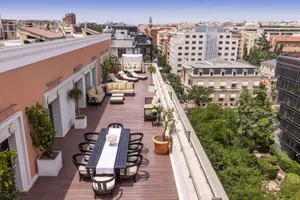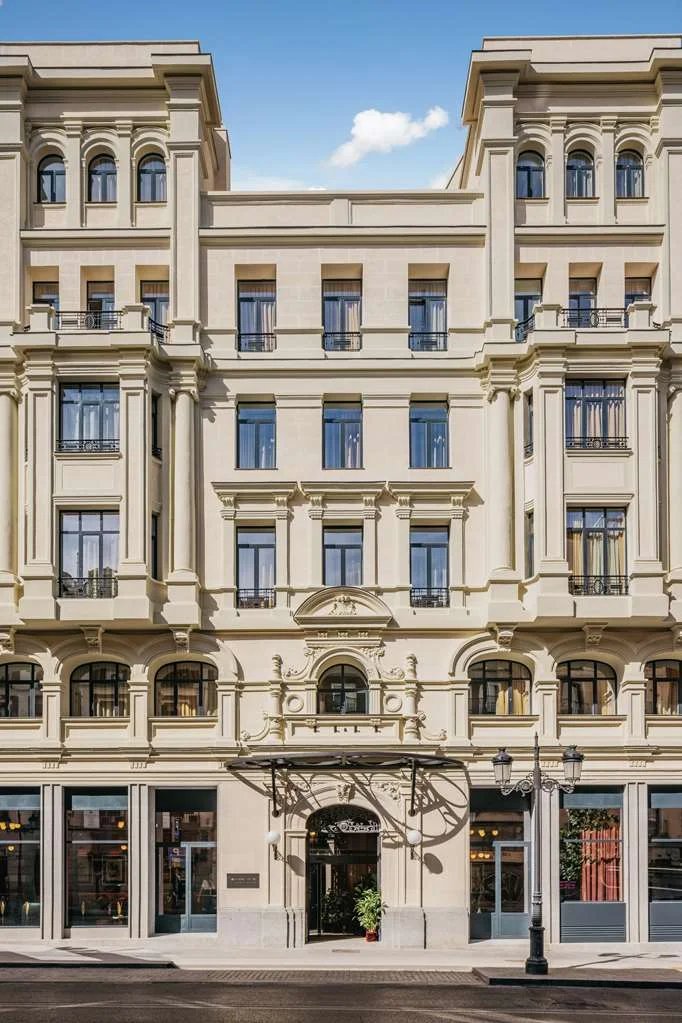
Casa de Las Artes
When you book Casa de Las Artes in Madrid, Spain, through our MeliaPro Bravos partnership, your stay includes daily breakfast for two and welcome amenities. You also receive early check-in or late check-out when available. No premium credit card or membership needed: request a quote and our advisor books it at the same rate as booking direct.
Exclusive Booking Perks
These perks are included with your stay at the same rate as booking direct with the hotel.
- Daily breakfast for two/ room
- $100 USD hotel credit (once per stay), subject to a 3-nights minimum length of stay
- VIP welcome amenities
- Guaranteed early check-in at 10 a.m. OR late check-out at 4 p.m. at the time of reservation
- 20% extra MeliaRewards points per Suite or Villa booking.
- Priority on waitlists in sold-out situations
- Priority for requested room category, bed type, rollaway beds, and connecting rooms
Guest feedback
9.0/10 from 1,167 guest reviews
By category
Guests liked
- Excellent restaurant
- Convenient location
- Helpful staff
Points to consider
- Room next to lift shaft
- Communication issues
- Poor food service
Location
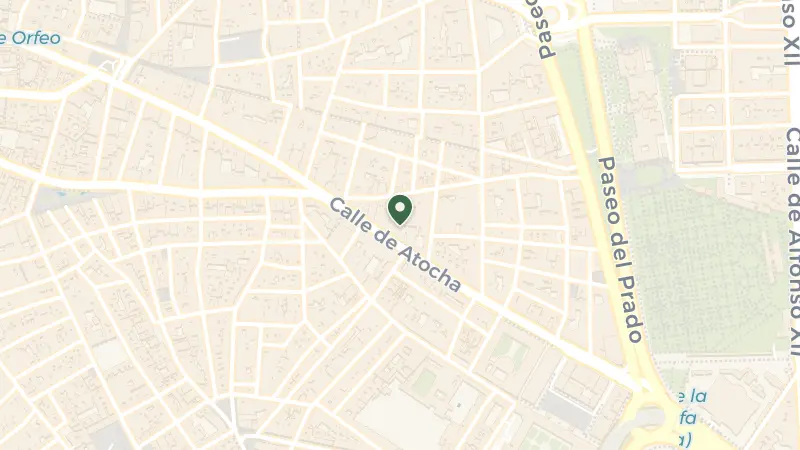
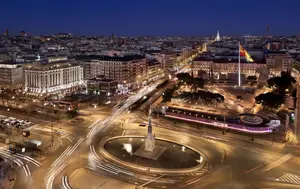
Casa de Las Artes places you in Lavapiés, a barrio that wears its centuries lightly. The name itself, "wash feet", recalls a vanished fountain in the plaza; the neighbourhood today thrums with a different energy, equal parts historic grit and contemporary cosmopolitan pulse. Narrow streets lined with corrala-style tenements open onto squares where children kick footballs and elders gather on benches. The smell of bread from panaderías mingles with incense from a Moroccan grocer, saffron from a Bangladeshi kitchen. This is Madrid's most diverse district, a place where the city's medieval bones and modern global identity collide without pretence.
Lavapiés sits southeast of La Latina in the Centro administrative ward, a short walk from the tree-lined Paseo del Prado, inscribed as a World Heritage landscape of arts and sciences in 2021. The avenue, conceived in the 16th century as a prototype Hispanic alameda, anchors a cultural axis that stretches from Atocha to Cibeles. To the east, the Buen Retiro gardens offer shade and open sky. The city's permanent status as seat of the Hispanic Monarchy, established in 1561, crystallised its role as Spain's political and cultural heart, a position it has held ever since.
Adolfo Suárez Madrid-Barajas Airport lies 14 kilometres northeast, with metro and taxi connections into the Centro in under half an hour.
The immediate radius around the hotel pulses with neighbourhood life. Mercado de Antón Martín, a block away, draws locals for seasonal produce and morning coffee; the stalls fill the air with the scent of jamón and ripe tomatoes. Start with a walk through the market's wrought-iron halls, then head northwest on foot to the Paseo del Prado's museum mile. For Michelin-calibre dining, Deessa, two-starred and inventive, lies just over half a kilometre away at the Mandarin Oriental Ritz, while Paco Roncero's two-starred atelier sits 700 metres north. Both kitchens push creative boundaries; Deessa in particular defines the contemporary Madrid dining conversation. Further afield, DiverXO, Dabiz Muñoz's three-starred temple to hedonistic irreverence, awaits 5.3 kilometres out. The "drunken crabs partying in Jerez" and "Galician lobster waking up on the beaches of Goa" exemplify Muñoz's playful, mould-breaking approach. Book a table weeks ahead.
Lavapiés itself reveals Madrid's layered past on foot: the barrio's medieval layout, its corrala courtyards, and the echo of its 1083 Christian conquest linger in the street grid. Mercado de San Fernando, 700 metres west, hosts evening tapas vendors and natural wine bars favoured by locals. Don't miss a late afternoon wander through the stalls; the atmosphere shifts as light fades and the neighbourhood gathers.
Summer in Madrid is uncompromising. Temperatures soar past 30°C in July and August, the air dry and still, the city emptying for the coast. Shade becomes currency; mornings and late evenings are the hours for walking. Nights cool only slightly, the terraces filling after dark.
Spring and autumn offer the most comfortable visiting conditions. April and May bring highs in the mid-teens to low twenties, the light crisp and golden. October holds a similar balance, though rain arrives more frequently. The streets fill with café tables, jackets draped over chairs.
Winter is short and sharp. December through February sees daytime highs around 10°C, nights dipping near freezing. Rain falls intermittently, the city wrapped in pewter skies. The museums and markets draw crowds seeking warmth; this is the season for indoor pursuits and early dinners at wood-panelled tabernas.
Frequently Asked Questions

Quotes are personally reviewed by Natasha Hardy, founder of The Uncommon Traveller
5.0 rating · 8 Google reviewsThere is no fee or markup. The hotel pays our commission.
Request a Quote 19 Bib Gourmand