Hotel Único Madrid - Small Luxury Hotels
When you book Hotel Único Madrid - Small Luxury Hotels in Spain through our Fora Reserve partnership, your stay includes a welcome amenity. You also receive early check-in and late check-out when available. No premium credit card or membership needed: request a quote and our advisor books it at the same rate as booking direct.
Exclusive Booking Perks
These perks are included with your stay at the same rate as booking direct with the hotel.
- Upgrade at check-in, subject to hotel availability, based on a two-night minimum stay
- Early check-in and late check-out (subject to availability)
- 100 USD Credit at the hotel on qualifying charges, based on a two-night minimum stay
- Complimentary valet parking
- Seasonal fruit platter welcome amenity
Guest feedback
10.0/10 from 380 guest reviews
By category
Guests liked
- Friendly and accommodating staff
- Excellent location and service
- Nice breakfast options
Points to consider
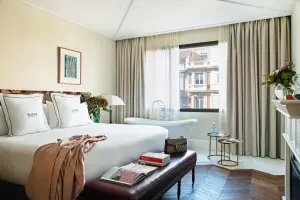
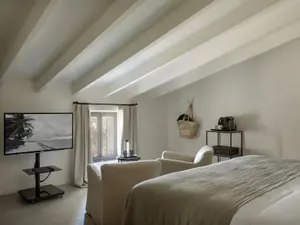
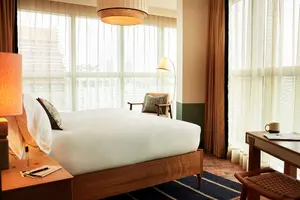
- Small room size
- Issues with breakfast charges
- Initial room noise disturbances
Location
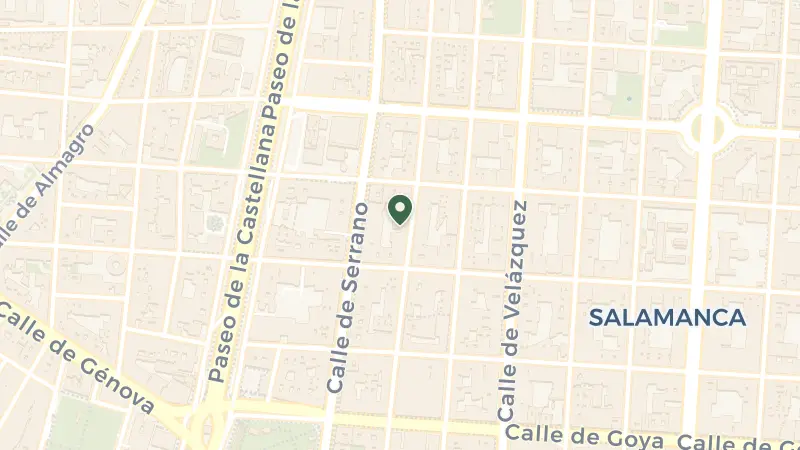
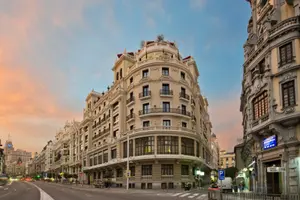
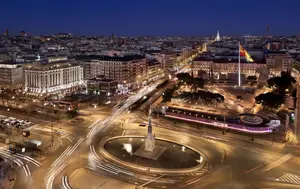
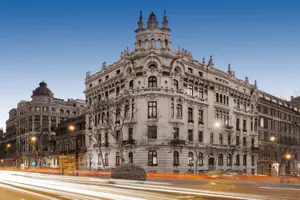
Hotel Único Madrid sits within the Small Luxury Hotels collection, a portfolio that privileges intimate scale, individual character, and owner-driven service over corporate formulas. The property occupies a nineteenth-century mansion in Salamanca, Madrid's most polished district, where tree-lined avenues frame flagship boutiques and Michelin-starred dining rooms behind belle époque façades. This is the capital's most refined neighbourhood, where tailored jackets replace tourist shorts and the rhythm slows to accommodate long lunches and afternoon gallery visits.
Salamanca unfolds in orderly grids north of the Paseo de la Castellana, its wide sidewalks shaded by plane trees and punctuated by marble-fronted buildings that housed aristocratic families through the early twentieth century. A kilometre south, the Paseo del Prado stretches between the Prado Museum and Retiro Park, a UNESCO-inscribed cultural landscape that evolved from a sixteenth-century tree-lined promenade into Madrid's intellectual spine, flanked by fountains, sculpture, and the great collections that define Spanish art.
The city itself rises from the Manzanares River at 660 metres above sea level, its elevation sharpening the light and lending even winter afternoons a crystalline clarity. Originally a ninth-century Moorish outpost, Madrid became the permanent seat of the Spanish court in 1561, transforming from frontier garrison to political and cultural capital. Adolfo Suárez Madrid–Barajas Airport lies twelve kilometres northeast, connected to the city centre by metro and taxi in under thirty minutes.
El Patio de Claudio brings bistro warmth to the hotel's courtyard, serving Mediterranean dishes under a classically furnished interior or in the open air when the weather allows. For dining that pushes boundaries, book a table at Coque, just 436 metres away, where the Sandoval brothers orchestrate a two-Michelin-star experience that pairs creative technique with seamless service. DiverXO, Madrid's only three-star restaurant, sits 3.3 kilometres from the property; its menu reads like surrealist poetry and tastes like it too.
Walk south to the Museo del Prado, opened in 1819, to stand before Velázquez's Las Meninas or Goya's black paintings. The Royal Palace of Madrid, completed in 1735, sprawls across 135,000 square metres, its state rooms a testament to Bourbon ambition. Closer still, the Thyssen-Bornemisza Museum offers a sweep from 13th-century altarpieces to 20th-century abstraction. Start your mornings at Mercado de Torrijos, less than a kilometre away, where traders shout over piles of jamón and roasted peppers. The city's energy peaks around noon, then softens into the blue hour when madrileños reclaim their streets.
Summer in Madrid means temperatures climbing past thirty degrees by midday, the city emptying in August as madrileños flee to the coast. Evenings cool quickly at this elevation, terraces filling after ten as the heat breaks. June and September offer warmth without the intensity, parks still green before the plateau browns.
Spring arrives slowly, March afternoons warming into the teens as jacaranda and wisteria begin to bloom along Salamanca's boulevards. October brings similar clarity, the air sharpening and museums less crowded after the tourist season recedes.
Winter months hover near freezing at night, climbing to ten degrees by afternoon under a pale, insistent sun. Rain falls intermittently from October through March, but snow is rare, and the dry cold rewards layered clothing and long walks through uncrowded galleries.
Frequently Asked Questions

Quotes are personally reviewed by Natasha Hardy, founder of The Uncommon Traveller
5.0 rating · 8 Google reviewsThere is no fee or markup. The hotel pays our commission.
Request a Quote 18 Bib Gourmand