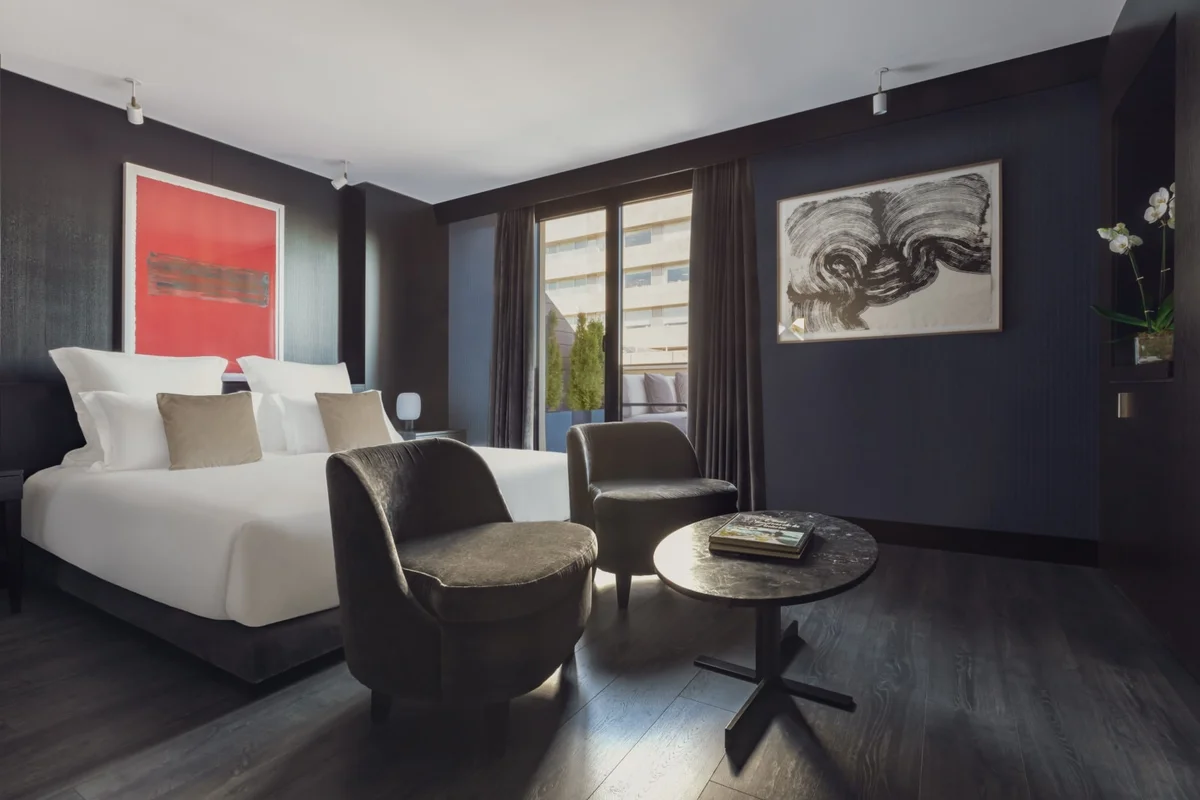
Casa Almagro by The Pavilions Hotels & Resorts
When you book Casa Almagro by The Pavilions Hotels & Resorts in Madrid, Spain, through our Tablet Plus partnership, your stay includes a one-category room upgrade and late check-out when available. No premium credit card or membership needed: request a quote and our advisor books it at the same rate as booking direct.
Exclusive Booking Perks
These perks are included with your stay at the same rate as booking direct with the hotel.
- Upgrade to next room category, based upon availability at check-in
- Guaranteed 2pm late check-out
- Complimentary daily parking
- 20% off on room service
Guest feedback
9.0/10 from 1,116 guest reviews
By category
Guests liked
- Great location
- Friendly staff
- Clean rooms
Points to consider
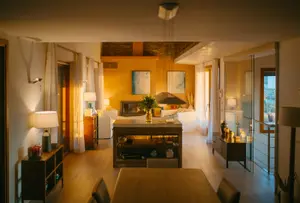
- Rooms can be dark
- Limited food options
Location
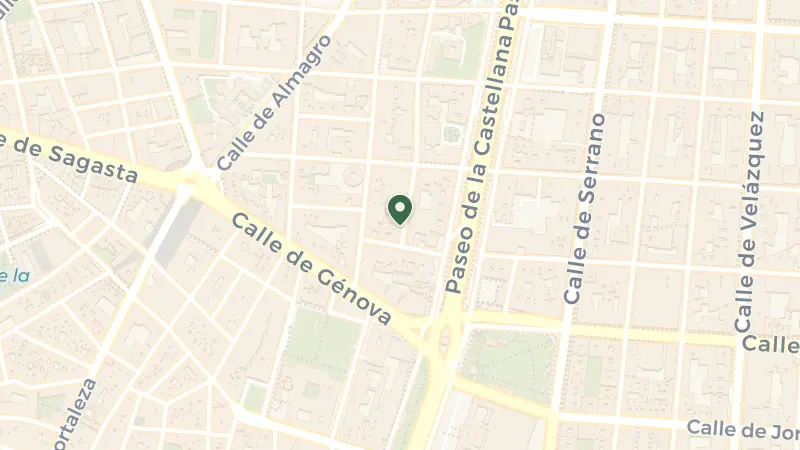
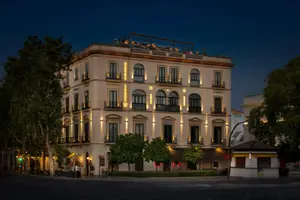
Casa Almagro occupies a quiet corner of Chamberí, a district where neighbourhood life persists beneath Madrid's imperial grandeur. The streets here follow the geometric logic of the 1860 Ensanche plan, orderly blocks that replaced the medieval tangle, yet the rhythm feels residential rather than monumental. Bakeries open early. Locals take their morning café con leche standing at zinc counters. The air carries the scent of frying churros and the metallic tang of metro grates exhaling warm air from below.
The Almagro neighbourhood itself sits just north of the city's ceremonial core, close enough to the grand museums and boulevards that the capital feels immediately present, yet removed from the tourist churn. Walk south ten minutes and you reach the Paseo del Prado, a UNESCO-listed cultural landscape conceived in the 16th century as a tree-lined promenade and expanded into one of Europe's great museum quarters. The Prado, the Reina Sofía, the Thyssen-Bornemisza: all within easy reach. Retiro Park stretches green and shaded just beyond, its boating lake and crystal palace offering respite from stone and asphalt.
Madrid-Barajas Airport lies twelve kilometres northeast, connected to the city by metro and cercanías trains that run frequently into the centre. The journey takes around thirty minutes, depositing arrivals into a capital that feels surprisingly walkable once you orient yourself to its radiating avenues and compact barrios.
Dining nearby tilts heavily toward the ambitious and the Michelin-starred. Coque, barely four hundred metres from the property, is a two-starred temple to Spanish creativity helmed by the Sandoval brothers, each commanding their domain: Mario in the kitchen, Diego orchestrating the dining room, Rafael steering the wine. DSTAgE, half a kilometre away, occupies an industrial loft in Salesas and delivers Diego Guerrero's boundary-pushing menu, equally worthy of two stars. For the full three-star experience, DiverXO lies three and a half kilometres out, where Dabiz Muñoz serves his maximalist vision: Galician lobster staged on the beaches of Goa, drunk crabs marinated in Jerez. Book weeks ahead.
Beyond the table, Madrid's cultural weight is inescapable. The Museo del Prado, founded in 1819, holds one of the world's finest collections of European painting. The Reina Sofía, a kilometre and a half southeast, houses Picasso's Guernica and the Spanish avant-garde. For quieter contemplation, the Lázaro Galdiano Museum offers a collector's trove of Old Masters and decorative arts in a former mansion. Start your mornings at Mercado de San Antón, eight hundred metres away, where the ground floor sells produce and the upper floors serve vermouth and tapas with a neighbourhood crowd.
Summer in Madrid is severe and brilliant. July and August push past thirty degrees, the city emptying as those who can flee to the coast or the mountains. The light turns white and unforgiving by midday. Evenings stretch long, dinners starting at ten, terraces filling only after the sun drops behind the rooflines.
Spring and autumn offer gentler conditions. April and May bring mild afternoons in the high teens, perfect for museum marathons and park strolls. September and October mirror that temperance, though the light softens to amber as the year tilts toward winter. October sees more rain, the streets slick and reflective under streetlamps.
Winter is crisp and cold, temperatures hovering near freezing at night, climbing only to ten degrees by day. The city feels smaller, more intimate. Café windows fog. Hot chocolate with churros becomes essential. December through February brings the capital's highest precipitation, though snow remains rare at this elevation.
Frequently Asked Questions

Quotes are personally reviewed by Natasha Hardy, founder of The Uncommon Traveller
5.0 rating · 8 Google reviewsThere is no fee or markup. The hotel pays our commission.
Request a Quote 18 Bib Gourmand